Language
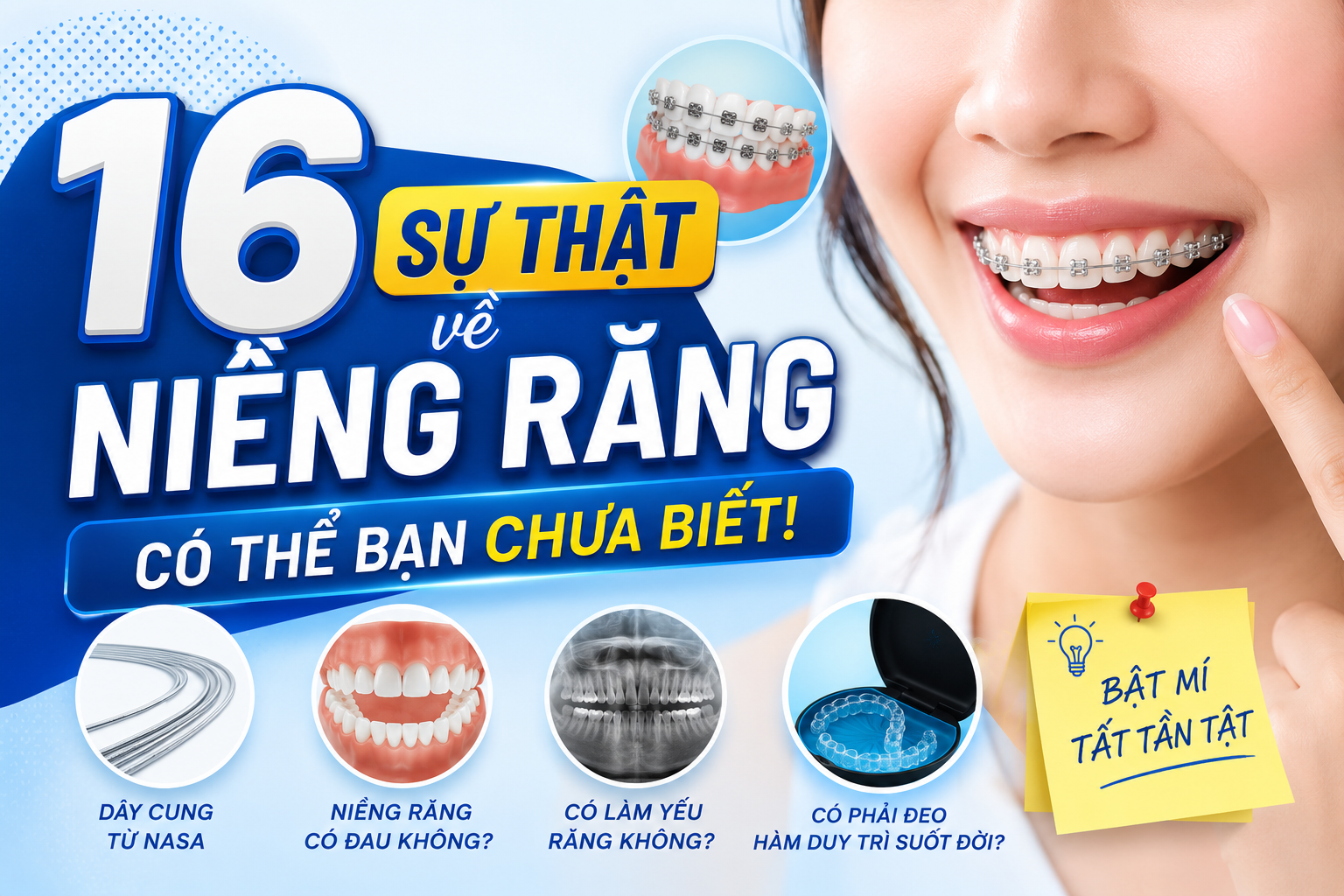
Teeth move thanks to applied force. The means of creating this force include: archwires made from different materials and sizes, in-place elastics to fix brackets, intermaxillary elastics, and chain elastics. Through each stage of treatment, the teeth need forces of different magnitudes and directions, so you need to go to the dentist to have the doctors adjust these factors.

Besides, forces in orthodontics are applied in two main types: continuous force and intermittent force. The wire is located in the bracket groove and the patient's own pulling of the dental elastic will create continuous force throughout the orthodontic process.
However, the wire is fixed on the braces by local elastics (elastic-tied braces), so you need to go to the dentist to change these elastics. Intermittent force is generated by chain elastics or other braces devices and will be Doctor specializing in braces changes or activates with each follow-up visit.
How often to tighten braces, or in other words, the interval between each orthodontic follow-up visit will depend on many factors. These factors also determine whether tightening teeth with braces is painful, specifically:
This is the first stage right after the customer attaches braces or attachments (braces with transparent trays), lasting from 4 to 6 months depending on the case. During this stage, the doctor will align the teeth on the jaw and correct the axis of rotated or misaligned teeth. This effect is mainly due to the impact of the arch wire, so you do not need to go to the dentist too often. Normally, you will come to tighten your teeth once a month.

This stage is found in patients who have had small molars extracted to reduce protrusion or move the entire jaw far. Normally, doctors often instruct patients to pull elastics at home to close the space so the force acting on the teeth remains continuous. The interval between each tightening session ranges from 3 weeks to 1 month.

After closing most of the space, the doctors will refine the dental arch, re-align the bite, and adjust the axis of the rotating teeth. At this time, the force acting on the teeth is constantly changing, so the teeth tightening schedule is usually every 2 weeks.

This is the final phase of treatment, at this point the doctor will stop applying force and the teeth will be fixed to stabilize the ligaments around the teeth. Depending on each case, this stage will last from 1 to 2 months, then you will go to the dentist to remove the braces.
With this method, the wire is fixed on the braces with elastics in place. This elastic will lose strength after about 3 to 4 weeks - this is also the time you need to tighten your teeth.
Self-ligating braces are designed with smart locking caps and do not lose strength over time. In the early stages, especially in cases of crowding, the time to tighten teeth can be extended to once every 2 months.
Tightening time for patients with Invisalign braces is shorter than with braces, because the tray fits tightly around the entire tooth crown, so the impact force is more effective. This time ranges from 7 to 14 days. However, you will not need to go to the dentist and can change the tray yourself at home as prescribed.
Besides finding out information about how often to tighten braces, many people are also interested in how the teeth tightening process takes place. Specifically, the steps are as follows:
So you have completed the process of tightening your teeth. In fact, this step only takes about 15 - 20 minutes, so take regular orthodontic time to ensure the best braces results.
Is it painful to clench teeth with braces? The answer is that you will feel a little soreness. In some cases, if you get used to this, you will not feel any pain. However, you can completely handle the pain in many simple ways.
For example, using salt water to gargle is an effective way to relieve pain. Besides, salt water also has the ability to disinfect, kill bacteria and clean teeth very well. You should rinse your mouth about 2-3 times every morning or evening.
The pain may make it difficult for you to eat every day. After clenching your teeth, you should minimize the use of foods that are too hard or too chewy. You should prioritize choosing soft, easy-to-chew foods such as soup, porridge... to avoid putting pressure on your teeth.
This method is quite familiar in reducing pain in many locations on the body, and can be applied after each tooth clenching. You just need to use an ice pack, wrap an ice cube and rub it around the sensitive area. Just a moment later you will feel much more comfortable.
In addition to cold compresses, you can also apply hot compresses to minimize pain after each tooth clenching. Use a cold towel dipped in warm water, then place it around the painful area of your mouth. Note that you should only use warm water, absolutely not hot water, to avoid burning your skin.
Massaging the gums is a simple way to help the cheek tissue easily adapt to orthodontic appliances, so you will feel more comfortable and relaxed.
After each time you tighten your teeth, you will feel a little sore because the braces cause friction and can damage the cheek area and soft tissues in the oral cavity. At this time, orthodontic wax is considered a "lifesaver" to limit dental damage and effectively reduce pain.
In case you feel unbearable pain, you can use pain relievers. However, before use, you need to consult a dentist and use the correct dosage according to instructions. If you want to find out What is an implant? Let Lac Viet Intech advise you in detail!
Hopefully the above article has helped customers answer the question "How often should braces be tightened??” If you have any questions, you can leave a comment below the article or contact directly the Hotline number of Lac Viet Intech dentistry for answers.
News on the same topic

Related questions
Featured news

Sign up for consultation
Partner of Lac Viet Intech Dental Clinic