Language
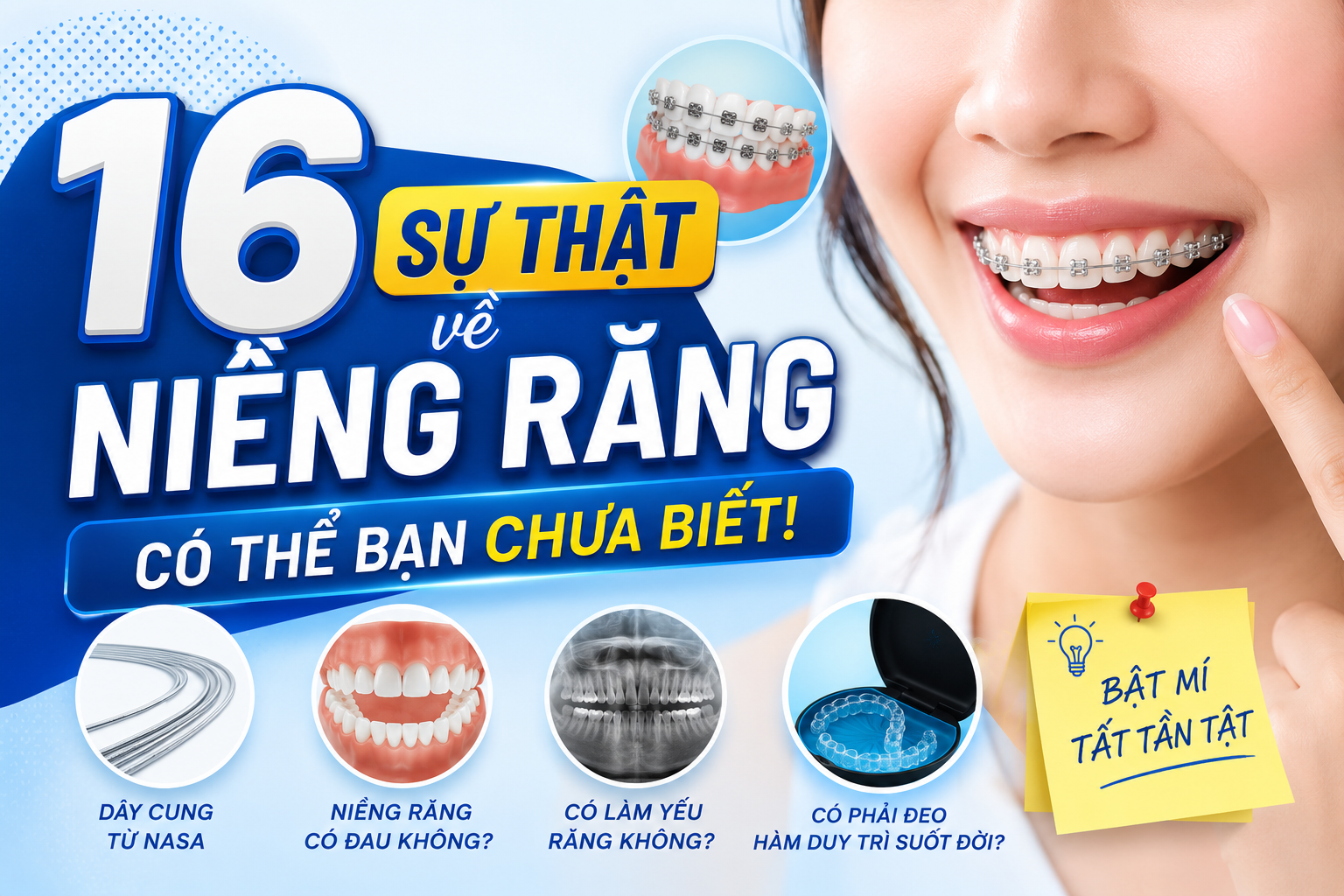
The archwire is an indispensable tool in the orthodontic process, exerting force on the teeth through the braces. Normally, the archwire is fixed to all brackets from the front teeth to the back teeth.
Because the archwire is made of metal, if the last part of the wire at the last tooth position is exposed, it will rub against the patient's cheek and cause pain. Therefore, after fixing the archwire to the braces, the doctor needs to take steps to handle the end of the archwire such as covering the end of the wire with plastic, bending the end of the wire or cutting off the end of the wire.

Here are the reasons why braces archwire pierces the cheek:
After replacing the archwire, especially Especially with small archwires, the doctor often bends the end of the wire and covers the bend with a bit of plastic (composite) to hide the sharp metal part. This plastic is hard and smooth, so it causes little pain to the patient.
However, during the process of chewing, this plastic part can come off, causing the tip of the wire to be exposed and rub against your cheek.
There are many tooth movement mechanisms that are applied depending on each case, of which many doctors prefer to use the sliding mechanism. This means that the teeth move by sliding onto the wire that passes through the bracket groove. As these movements occur, the posterior arch wire tip will gradually be exposed more as the teeth move. If the ends of the wire protrude too much and are not cut, they will pierce the patient's cheek.
In many cases, especially when your teeth are completely evenly spaced, if the wire being used is small in size, it can easily slide freely in the bracket groove if not fixed tightly.

When this is under the influence of of chewing force, it will slide to one side, causing the end of the wire on this side to lengthen a lot, and the end of the wire on the other side to become shorter. This is also one of the common causes of the arch wire poking into the cheek.
In braces techniques, many doctors prefer to use the arch wire bending technique, which means that from a continuous straight piece of wire, with specialized pliers, the doctor will break it into different shapes creating loops/kinks protruding from the surface of the tooth. These bulky wires will pierce your lips and cheeks if your soft tissue is too thick or the doctor does not correct their position.
The archwire pierces the cheek, causing damage to the oral mucosa and even ulceration, causing pain and discomfort. Below are instructions for dealing with this condition:
The best way to handle this problem is to go back to the dentist and tell your doctor. With specialized tools at hand, the doctor will find the cause and the fastest and most effective solution.
If you cannot arrange a time to return to the dentist immediately or the reason is because your cheek lips are not used to the wire, use orthodontic wax or damp cotton to cover the tip of the wire that is rubbing against your cheek lip.

First, take a piece of wax or a bit of damp cotton, roll it into a ball, use your hand to slightly spread the cheeks to expose the tip of the bowstring, then apply wax or damp cotton to the tip of the string. This is only a temporary solution to help you limit the constant friction. After arranging a time, go back to the dentist to see the doctor.
If the injury causes you a lot of pain and affects your daily activities, you can go to the pharmacy and buy a pain reliever due to mucosal ulcers or canker sores. Their ingredients are anesthetics that numb the mucosal surface to help relieve your pain.
If you can determine the cause of the bowstring sticking into your cheek, try using tools you already have around the house to adjust them. For example, you can use scissors to cut off the tip of a small arch wire, or use tweezers to adjust the end of a slipped arch wire, etc. Some of you can even use your hands to slide the arch wire back to help bring the wire tip back to the correct position.
When the cheek mucosa has been damaged, clean oral hygiene is the most important factor. Cleaning will help the wound heal faster and reduce pain. In addition, if you still don't understand what an implant is for you can go directly to Lac Viet Intech to get detailed advice from the doctor!
Hopefully the above article has helped you have appropriate solutions if you encounter a situation where the wire rubs against your cheek. If you have any questions, please contact us for answers.
News on the same topic

Related questions
Featured news

Sign up for consultation
Partner of Lac Viet Intech Dental Clinic