Language
Language
Braces are considered the most optimal method to correct teeth and bite defects. However, many people are still concerned about many risks during and after braces. So should you get braces?
The reason many people are still wondering whether to get braces or not is because they are afraid of some problems that may occur during braces such as:
Tooth root resorption can occur due to dental diseases encountered before braces or due to trauma during the braces process. Therefore, doctors need to screen the customer's condition to have a treatment plan suitable for each specific case.
 Short resorption of tooth roots causes loose and weak teeth
For customers with braces, the allowable level of tooth root resorption is 1mm. If the tooth root is resorbed more than 1mm, it is necessary to determine the cause of the tooth root resorption and have a timely remedy. Tooth root resorption can only be detected when taking X-rays, so this condition will take place silently, causing our teeth to become increasingly loose and weak.
Avulsion of the tooth root from the alveolar bone is the most dangerous complication and can quickly cause permanent tooth loss. This condition occurs because the doctor fails to check the condition of the customer's jaw bone before applying braces, or lacks control over the direction of the tooth tip movement, or applies too strong a force to the tooth, causing the tooth root to pop out.
Bone resorption is the loss or decrease in bone density, height, and volume during braces. Bone loss is an inevitable phenomenon that occurs when teeth move to the correct position on the jaw. After the bone resorption process, there is a bone resorption process to restore bone volume and density to help strengthen teeth. However, if the bone is resorbed beyond the allowed limit, it will cause phenomena such as loose teeth, receding gums, exposing many tooth roots, black triangles appearing between the teeth, weak teeth, pain when chewing, ...
 Teeth with excessive bone resorption, exposed roots
The cause of bone loss and receding gums can come from the customer or the doctor, specifically:
- The customer does not maintain oral hygiene during the braces process. causing periodontitis, customers use bamboo toothpicks to remove leftover food, customers use strong force when brushing their teeth or use a toothbrush with bristles that are too hard, ...
- Doctors cannot check bone density before braces so they cannot set treatment limits, doctors apply inappropriate force causing trauma to teeth during braces, leading to irreversible bone loss.
In addition to the 3 serious complications mentioned above, customers with braces are also at risk of encountering other problems such as:
- Tooth decay, calcium loss due to not maintaining hygiene while wearing braces.
- Recurrence of tooth misalignments due to not wearing the retainer as prescribed after removing braces.
- Gingivitis and periodontitis due to not cleaning teeth properly.
These problems occur mainly due to objective reasons from the customer and can be overcome by changing hygiene and oral care habits.
It can be seen that these dangerous complications occur when customers get braces using traditional technologies, without the support of modern technologies. Accordingly, initial customer data collection operations have not been focused. Customers usually have 2D films taken and dental impressions made with plaster, so accuracy is not guaranteed, leading to incorrect judgments during the treatment planning process.
 X-Matrix applies SmileStream in film analysis and treatment planning
To overcome the disadvantages of old technology, X-Matrix braces applies modern technologies right from the data collection step to ensure absolute accuracy:
- Taking 3 types of films: Cephalometric, Panorama and CT to survey bone structure, bone condition and anatomical structures.
- Scan tooth impressions with the modern iTero Element 5D machine to survey the relationship between teeth and soft tissue, determine tooth and bite deviations down to the micrometer.
The doctor will analyze and plan treatment for customers to ensure accurate, safe and painless criteria with the support of modern digital software:
- Autolign software: measures and simulates the shape of the dental arch in 3 spatial dimensions, personalizes the choice of arch wire that best suits the tooth condition, chooses the direction of placing braces to help teeth move in the right position accurately, simulates braces results with up to 99.9% accuracy.
- SmileStream software: accurately calculates tooth moving force, screens for risks of complications based on data from 50 million successful braces cases around the world.
- WebCeph software will produce multi-dimensional, multi-layer images allowing comprehensive assessment of the structure of the nasolabial angle and soft lip angle before and after treatment.
Customers with braces using X-Matrix technology will be assured that the treatment process is accurate, safe and minimizes dangerous complications. Therefore, customers should choose X-Matrix technology braces.
See more:The doctor answers in detail the topic: "Should I get braces?"
There are some cases of not too complicated tooth misalignments in the upper or lower jaw. At that time, customers often wonder whether they should get braces on one jaw.
In fact, braces not only correct misalignment, overbite, and underbite, but also adjust the bite to standard and balance the relationship between the two jaws. If you have braces on one upper or lower jaw, that jaw will recede and make the bite between the two jaws inconsistent, leading to difficulty in chewing. Therefore, doctors often prescribe braces for both jaws to adjust the bite and limit trauma to the teeth.
In addition, whether or not one should get braces depends on the degree of tooth misalignment. Customers should go to reputable dentists to be examined by doctors and given the most accurate treatment instructions.
According to orthodontists, the "golden" age for braces is from 11 - 16 years old. At this time, babies are in the development stage, the jawbone is soft and easy to adjust, so treatment time is shortened and brings optimal results. In adults over 18 years old, treatment may take longer because the jaw bone has fully developed. However, with the support of modern braces technology such as X-Matrix, braces will be gentle, safe and achieve optimal results.
In middle age, customers can still get braces to correct tooth misalignments and improve their health. Braces at this age may take more time but are still effective. In fact, there are many customers who have braces in middle age and have a more confident smile. However, the doctor still advises that you should get braces as soon as possible.
Do braces change the face is also an issue that many people wonder about. According to doctors, braces can create some of the following changes:
- Crooked and misaligned teeth cause tight lip muscles and a skewed face: after braces, the face will be balanced again.
- Underbite teeth, lower jaw protruding forward compared to the upper jaw: after braces are completed, the lower jaw will shrink to the standard ratio.
- Protruding teeth, upper or lower jaw protruding forward: after braces, the lips will shrink, the nose will be higher and the angle will be more beautiful.
 Changes in a customer's face before and after braces
In general, whether braces change the face depends on many factors such as age, initial tooth misalignment and the skill of the treating doctor.
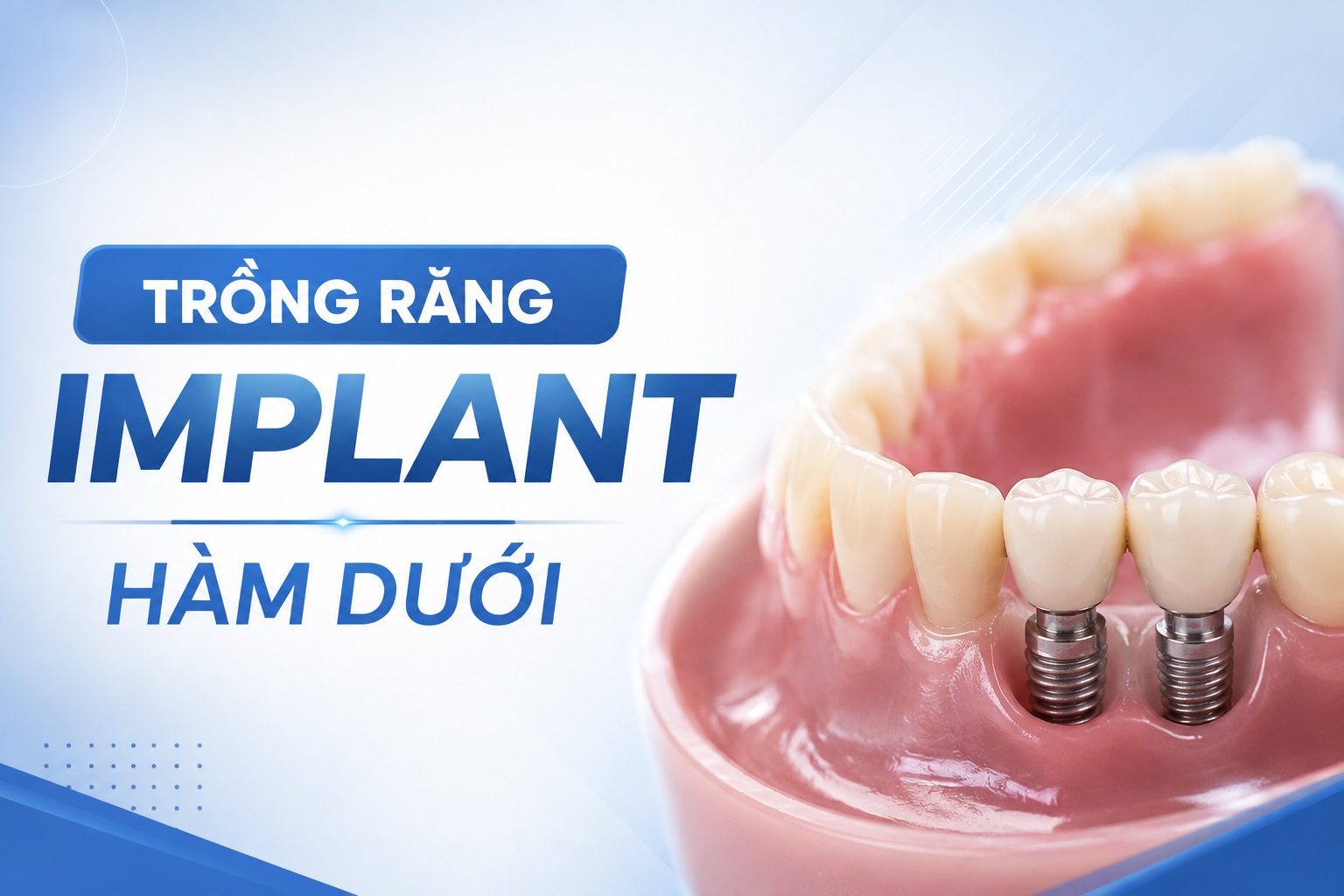
Children and teenagers (under 16 years old) are very suitable candidates for braces because they can achieve the best results. At the same time, at this age, braces are easier to perform, and movements to straighten and adjust teeth, gums, and jawbone are also more convenient... Accordingly, facial changes before and after braces often go in a more positive, beautiful, and balanced direction. In addition, dental implants is also a tooth beautification solution chosen by many people today.
Above is some information to answer the question "should I get braces" from some customers. It can be seen that braces not only help improve teeth aesthetics but can also change facial proportions and improve oral health for customers. To know more about your dental condition and specific treatment plan, please contact hotline 19006421 immediately and listen to advice from experts.
News on the same topic
Related questions
Featured news
Sign up for consultation
Partner of Lac Viet Intech Dental Clinic