Language
Language
Who should get braces

The main subjects of braces are cases where teeth grow in the wrong position, direction, and deviation from the jaw. Specifically:
The braces method requires the dentist to have knowledge about the development and growth of the craniofacial system, the types of morphological deviations of the teeth and jawbone, as well as understanding the mechanical effects of each type of appliance to be able to flexibly apply the braces method to bring the most optimal results.
See more articles:What does braces feel like?
Case Who should not get braces?

To ensure the best orthodontic results and limit unnecessary consequences, you must remember carefully the cases of absolutely not getting braces without a dentist's instructions.
Suffering from severe periodontal disease
Periodontitis is a fairly common disease that occurs in the organizations surrounding the teeth. The cause comes from chronic gingivitis, which over time will develop and destroy the supporting tissues of the teeth. When this organization becomes infected, it causes gum recession and alveolar bone loss, weakening the teeth. When the gums recede, it means that the tooth roots are no longer stable. Or when the tooth bone is lost, the teeth are weakened and the gums no longer have a place to cling, then braces will no longer be possible because braces are a technique of straightening teeth by combining the force of braces and wires over a long period of time.
Before performing braces, the dentist will conduct an examination to ensure your teeth are healthy and stable. If you are suffering from dental diseases, your doctor will advise you on treatment to achieve the best braces effect.
Denture implants and porcelain crowns
With braces, we will have to put an appliance on the surface of the tooth to create force to make the teeth move.
However, because the real tooth base and the porcelain tooth are not always in sync with each other, if the porcelain crown is not tightly attached to the real tooth base inside, then when there is the pull of the braces, Porcelain teeth will easily slip out, causing pain and discomfort for the patient. On the other hand, porcelain teeth and dentures have been given a certain shine on the outside so they do not have good adhesion like real teeth. Adhesive attachment cannot be performed to secure the brackets on the teeth.
However, in some cases, your dentist will still prescribe braces for you. This depends a lot on the condition of your teeth.
People with too weak jaw bones
This is a particularly individual case, because the structure and foundation of the jaw bone are too weak. There are not enough conditions to ensure that the braces process is safe and effective. Because the tooth base and bone are weak and the volume is not guaranteed, it will not be able to meet the requirements of moving according to the force of the braces.
Therefore, there are cases where braces after finishing the treatment process and wearing braces can still return to their original misalignment due to the chewing process. In addition, wearing braces will cause the patient to experience sensitivity and pain
Suffering from systemic diseases
People with certain systemic diseases such as epilepsy, mental illness, severe cardiovascular disease, diabetes, malignant diseases such as leukemia, etc., dentists advise you not to wear braces.
Because these people's ability to fight infection is very poor, treating dental problems can create wounds that are difficult to heal and can easily cause serious infections. In addition, due to stress and pain during the procedure, treatment can cause difficulty breathing, heart palpitations, heart failure... or cause the patient to have a recurrence of seizures at any time.
Implemented Implant
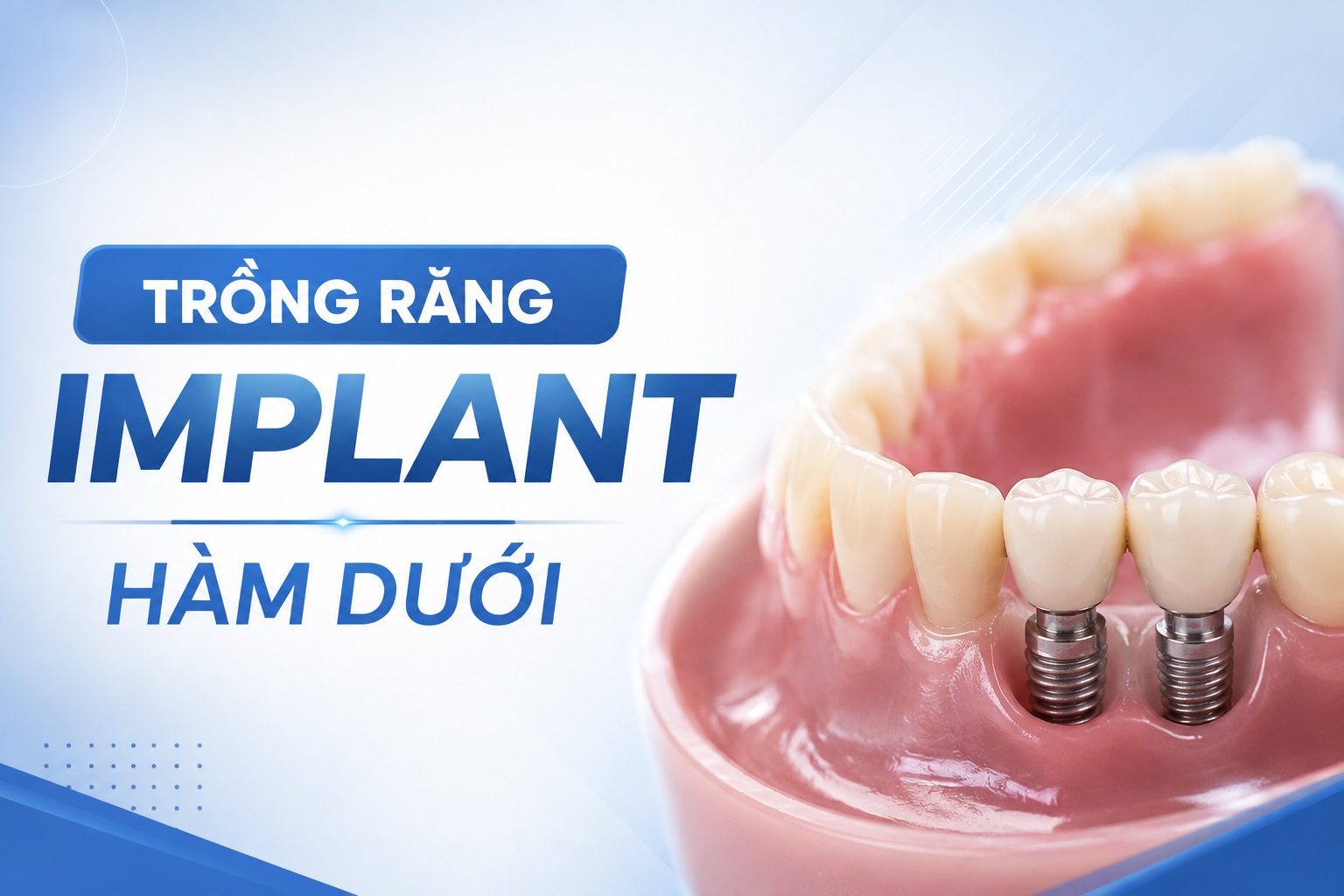
With the method of implantation, a titanum tooth post will be implanted into the jaw bone. Therefore, when performing braces, it is possible to loosen this prosthesis due to the traction created by the orthodontic appliance. On the other hand, the strength of the dental implant can cause the orthodontic process to fail. Therefore, if you have dental implants and want braces, you should visit reputable dental centers. If the doctor determines that your tooth structure can be braced, then you will proceed with braces.
Conclusion
Hopefully the above information will help you have a comprehensive view of the orthodontic method - Braces. If you have any questions, please contact us soon for help.
If you are still having a headache finding a solution to resolve tooth defects as well as want to learn about methods to fix the aesthetics and chewing function of your teeth. Don't hesitate to immediately contact Lac Viet Dental's hotline to receive information about your tooth condition as well as the most accurate cost.
News on the same topic

Related questions
Featured news

Sign up for consultation
Partner of Lac Viet Intech Dental Clinic