Language
Language
If you want to better understand thecauses of periodontitisand effective treatment, you can refer to the video sharing detailed knowledge from the doctor here:
Periodontitisis a seriousinfection of the gums, causing damage to soft tissues and destroying the bone structure that supports the teeth. If not treated promptly,periodontitiscan lead to serious consequences such as loose and permanent tooth loss.
The main cause of periodontitis is the accumulation of tartar – also known as calculus. Tartar is not only an ideal home for billions of harmful bacteria, but also creates a difficult-to-clean surface that allows bacteria to continue to grow and attack the periodontal tissues surrounding the teeth.
 Periodontitis in different stages
Periodontitis can manifest through many different signs, depending on the stage and severity of the disease.
The tartar starts out ivory white, but over time can turn yellow, brown or even black due to the buildup of pigments from foods and drinks and the growth of different types of bacteria.

The tartar turns brown
The gum area around the affected tooth becomes swollen and dark red instead of a healthy light pink color strong.
This is one of the earliest and most common signs of periodontitis. Gums can bleed naturally or when you brush, floss or even eat hard foods.
Gums tend to recede, exposing tooth roots, making teeth appear longer than normal and increasing sensitivity to temperature.
This is a progressive stage of periodontitis, when the bone tissue that supports the teeth is destroyed. This sign is often not obvious in the early stages and can only be detected through X-rays.
When the alveolar bone is heavily resorbed, the teeth will become loose at different levels (grades 1, 2, 3), from slightly loose horizontally to markedly loose in many directions.
Periodontitis is often accompanied by unpleasant breath due to the activity of anaerobic bacteria in the pockets. periodontal disease and the breakdown of inflamed tissues.
In advanced stages, pus pockets (abscesses) can form in the gum area, causing severe pain and swelling.
Early recognition of these signs and seeking timely dental intervention are extremely important to stop the progression of periodontitis and protect healthy teeth.

Abscess in the gum area
Proactive implementation of preventive measures plays a key role in maintaining long-term periodontal health.
To prevent the formation and progression of periodontitis, you need to follow the following measures:
This is the most important measure to remove tartar - the main cause of the disease. The frequency of tartar removal should be every 2-3 months or at least every 6 months, depending on the individual's rate of tartar accumulation and the dentist's recommendations.
Brush your teeth at least twice a day with a soft toothbrush and fluoride toothpaste, taking care to thoroughly brush all tooth surfaces and along the gum line.
Floss helps remove plaque and leftover food in spaces between teeth that a toothbrush cannot reach. You should floss daily, especially before going to bed.
Antibacterial mouthwash can help reduce the amount of bacteria in your mouth, but cannot replace brushing and flossing.
Visit your dentist at least every 6 months to check your oral health and detect early signs of periodontitis.
Depending on the severity of the disease, the dentist will apply different methods of treating periodontitis:
The main treatment method is thorough scaling to remove the source of irritation and bacteria. The patient will also be instructed on proper oral hygiene and may be prescribed antibacterial mouthwash.
At this time, periodontal pockets can form - spaces between the teeth and gums, where bacteria easily accumulate. Treatment is usually closed periodontal curettage (minimal surgery). The doctor will use specialized tools to clean deeply inside the periodontal pocket, remove tartar and inflammatory tissue.
During this stage, more complex periodontal surgery methods are needed. The doctor will open the gum flap to access and deeply clean the infected tooth root surfaces, remove inflammatory tissue and may combine soft tissue grafting or use re-adhesion stimulants (endogens) to encourage recovery of damaged periodontal tissues. In cases where the tooth is too loose and cannot be restored, tooth extraction may be the last solution.
In cases where periodontitis progresses severely leading to tooth loss, restoring lost teeth not only helps improve aesthetics but also restores chewing function and prevents other dental problems caused by tooth loss. Depending on the condition of the remaining bone after tooth extraction, there are two main restorative options:
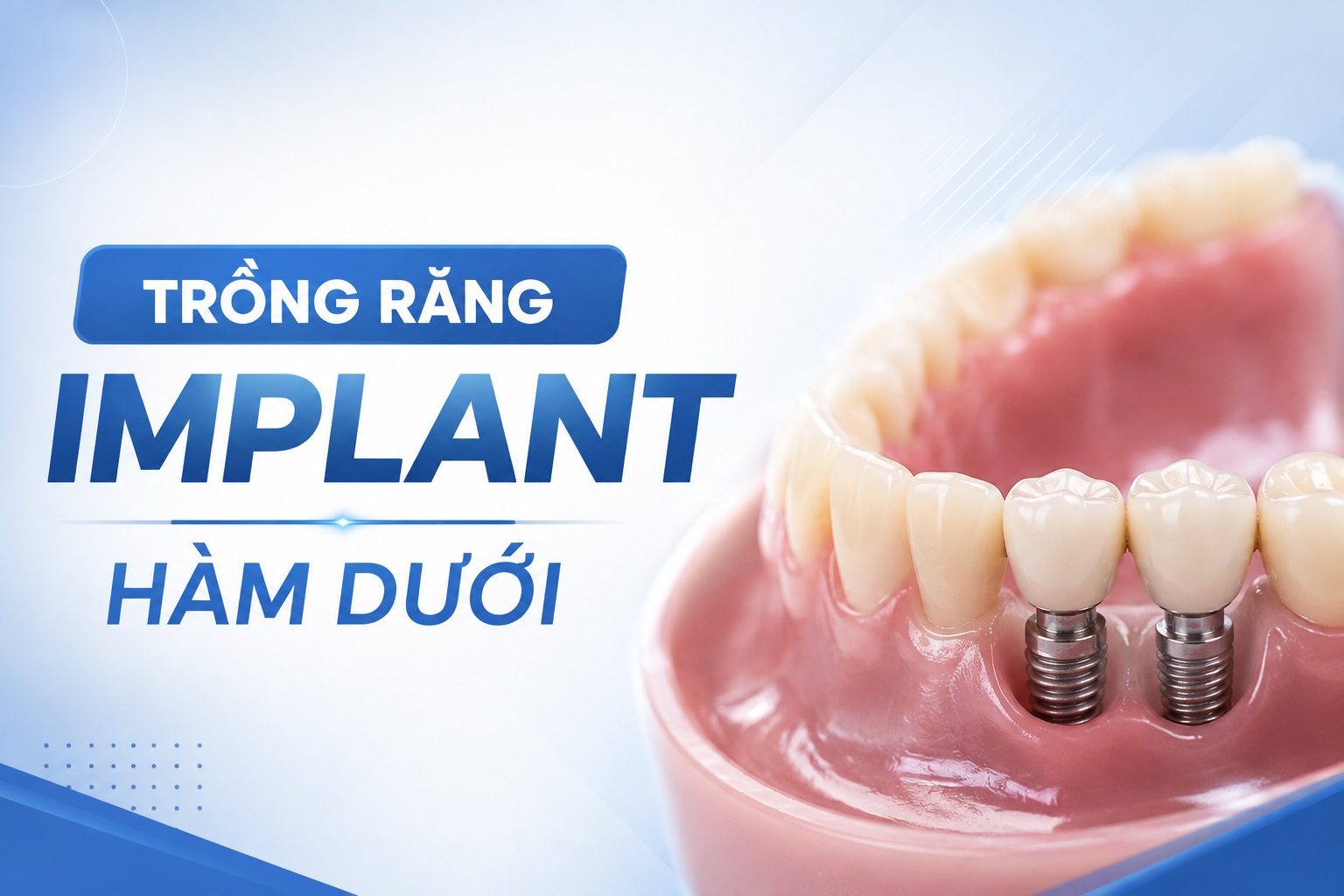
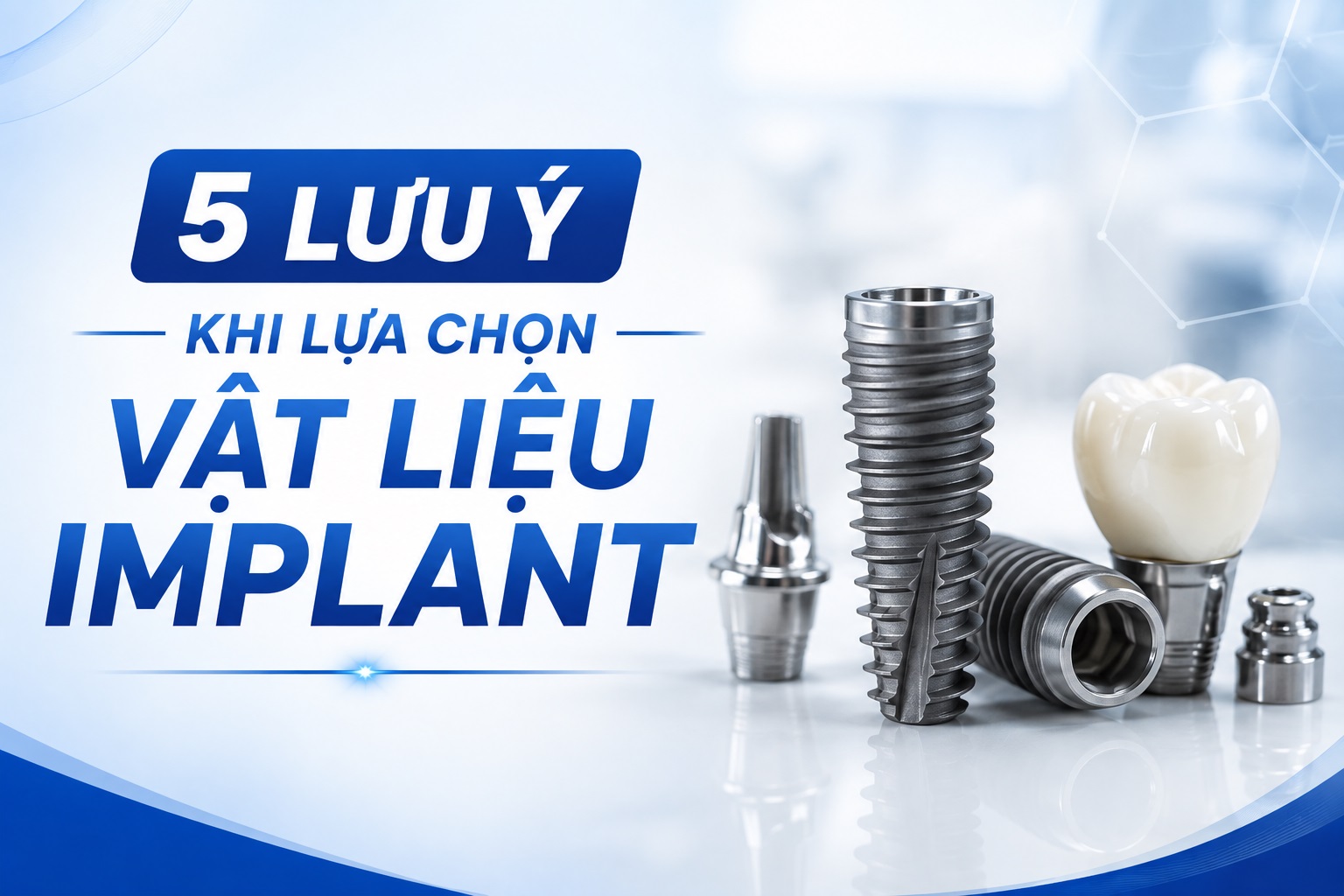
If the jawbone base at the site of the extracted tooth still has enough quality and volume, the doctor can proceed withimplant placementsoon, immediately after tooth extraction or within a few weeks. An implant is a titanium post implanted into the jawbone, acting as a real tooth root, and then a porcelain crown will be attached on top, providing function and aesthetics similar to a natural tooth.
In cases where the bone base is heavily resorbed due to prolonged periodontitis, it takes time for the tooth extraction area to heal completely (usually 2-3 months). Before implant placement, additional bone grafting or soft tissue grafting procedures may be needed to regenerate the bone base and gum tissue sufficiently to support the tooth that used the dental implant method.
The choice of tooth restoration method will depend on each patient's specific condition, the dentist's assessment, and the patient's wishes. Modern restoration methods such as implants bring many outstanding advantages in terms of function, aesthetics and durability, helping patients regain confidence and quality of life.
If you are experiencing red, swollen gums, bleeding gums, persistent bad breath or teeth starting to loosen - it could be a sign of periodontitis. Don't be subjective or hesitate any longer! Please contact Lac Viet Intech Dental Clinic immediately for examination, accurate diagnosis and advice on appropriate treatment plans - safe, gentle and timely, helping to prevent the risk of bone loss and tooth loss in the future.
Lac Viet Intech Dental branch system:
News on the same topic

Related questions
Featured news

Sign up for consultation
Partner of Lac Viet Intech Dental Clinic