Language
Language

Professional Consulting
D. Nguyễn Văn Luyến
Dentist
When just getting dental implants, many aunts and uncles feel confused. Blood leaking from the implant area makes everyone worried. Is this dangerous?
In fact, anxiety is understandable. Especially for those who are doing this procedure for the first time. The doctor confirmed: Light bleeding or oozing for 24 to 48 hours after implant placement is completely normal.
This is just the body's natural reaction. It happened after a minor surgery. Light bleeding is not a sign ofImplant complicationsor any serious problem.
The common psychology of many patients is to worry when they see bleeding, even just a little. In particular, those with implants who are having the procedure for the first time are more likely to panic for fear of complications.
According to the doctor, slight bleeding or oozing within 24 - 48 hours after implant placement is completely normal. This is the body's natural reaction after a minor surgery, not a sign of implant complications.
In fact, after any surgical procedure, minor bleeding can occur. During the implant placement process, even if the doctor uses modern technology and precise techniques, the soft tissue around the gums can still be damaged. Small capillaries under the affected soft tissue will cause bleeding.
Immediately afterward, the body will form a blood clot at the surgical site. A blood clot acts like a natural “stopper,” helping to stop bleeding and allow soft tissue to begin healing.
Blood clots play an important role in stopping bleeding and supporting the healing process. If the implant is well taken care of, the blood clot will stabilize, the wound will heal quickly and bleeding will stop completely after 1–2 days.
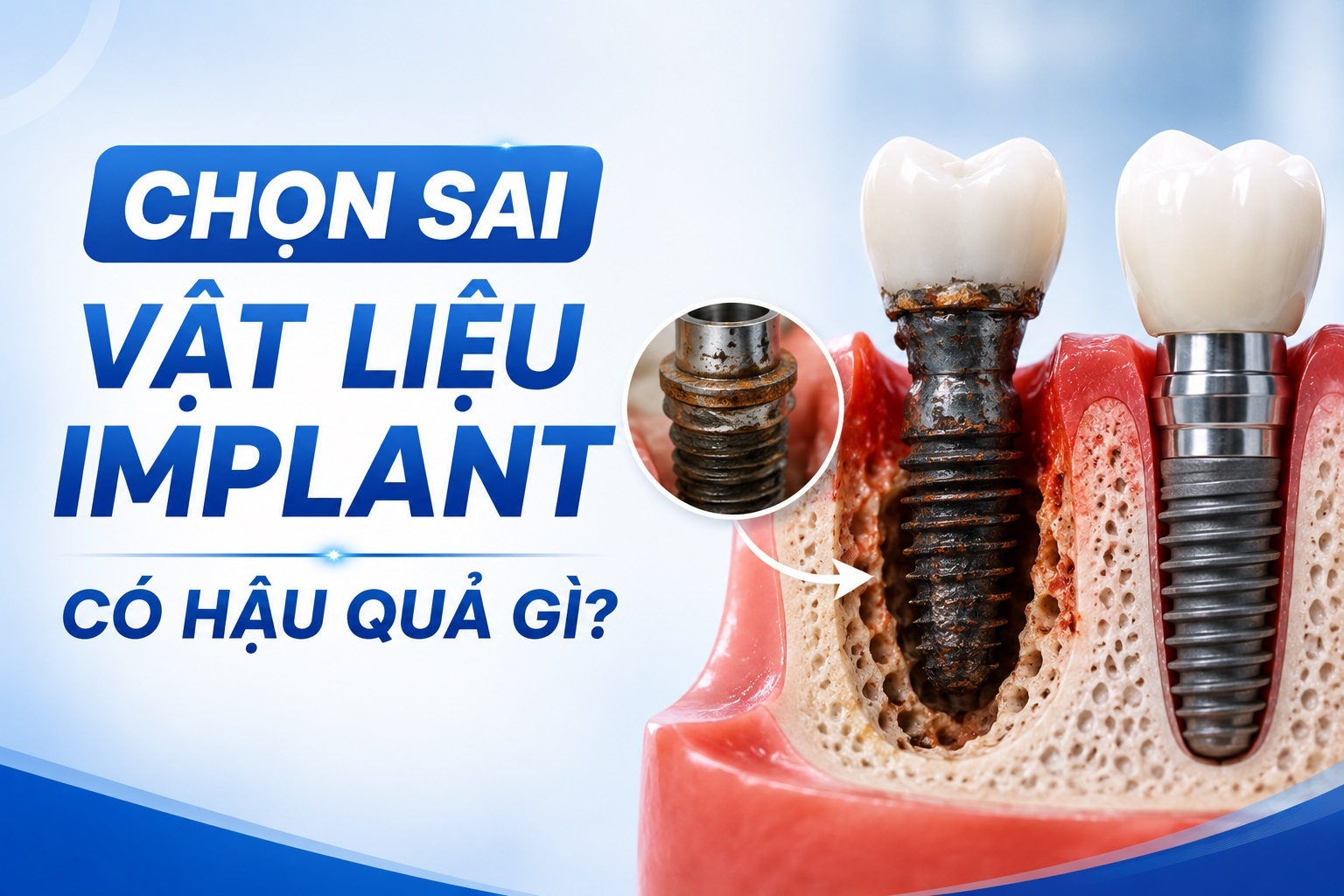
On the contrary, if care is not taken properly, the blood clot may break down or not form, leading to prolonged bleeding and increased risk of implant complications.
To minimize bleeding and help the wound heal quickly, care must be taken. The right way is extremely important. Below are 5 basic principles you need to follow:
Principle 1:Bite the gauze in the correct position for the first 30 minutes. This helps apply pressure, stopping bleeding and clot formation. Make sure the gauze is properly positioned and bitten tightly.
Principle 2:Do not rinse your mouth vigorously for 24 hours. Avoid breaking the blood clot that is forming at the insertion site. This helps the wound heal quickly.
Principle 3:Avoid eating hot, hard or chewy foods. These types of foods put pressure on the implant area. It can damage soft tissue or rupture a blood clot, causing rebleeding. Choose soft foods that are easy to swallow in the first few days.
Principle 4:Lie with your head elevated when sleeping. Elevating your head helps keep blood from rushing to the wound. Thereby minimizing the risk of bleeding and swelling.
Principle 5:Absolutely do not touch the wound with your hands or tongue. This can infect the wound. It can also damage soft tissue and break blood clots.

(Bleeding phenomenon after dental implant)
Normally, bleeding will decrease quickly after 24 - 48 hours. However, you need to go to the dentist immediately if the following signs appear:
Heavy bleeding that cannot be stopped even after biting gauze properly after 2–3 hours.
The wound has a foul smell, swelling, heat, severe or prolonged pain.
Blood mixed with pus or ooze continuously for 2–3 days.
These are warning signs of dangerous implant complications, such as peri-ulnar inflammation, soft tissue infection or damage Blood vessels in the bone.

(Complications when dental implants are not safe)
Prolonged bleeding can be due to many factors:
If you do not bite the gauze tightly or take care of it incorrectly (strongly rinsing your mouth, spitting), it is difficult for blood clots to form. This causes continuous bleeding and slow wound healing.
Bacteria can enter the wound if the implant is not cleaned properly or does not follow the doctor's instructions. Infection can cause bleeding, swelling, and threaten the integration of the implant.
In some cases, if the doctor does not determine the exact location of the abutment, blood vessels or nerves in the bone may be affected, causing prolonged bleeding.
According to Dr. Nguyen Van Luyen, to reduce the risk of prolonged bleeding and implant complications, implant patients need to pay attention to:
Selectreputable dentistry:Ensure absolute sterility during surgery.
Doctors with in-depth expertise:Understand the anatomical structure and manipulate accurately to limit damage.
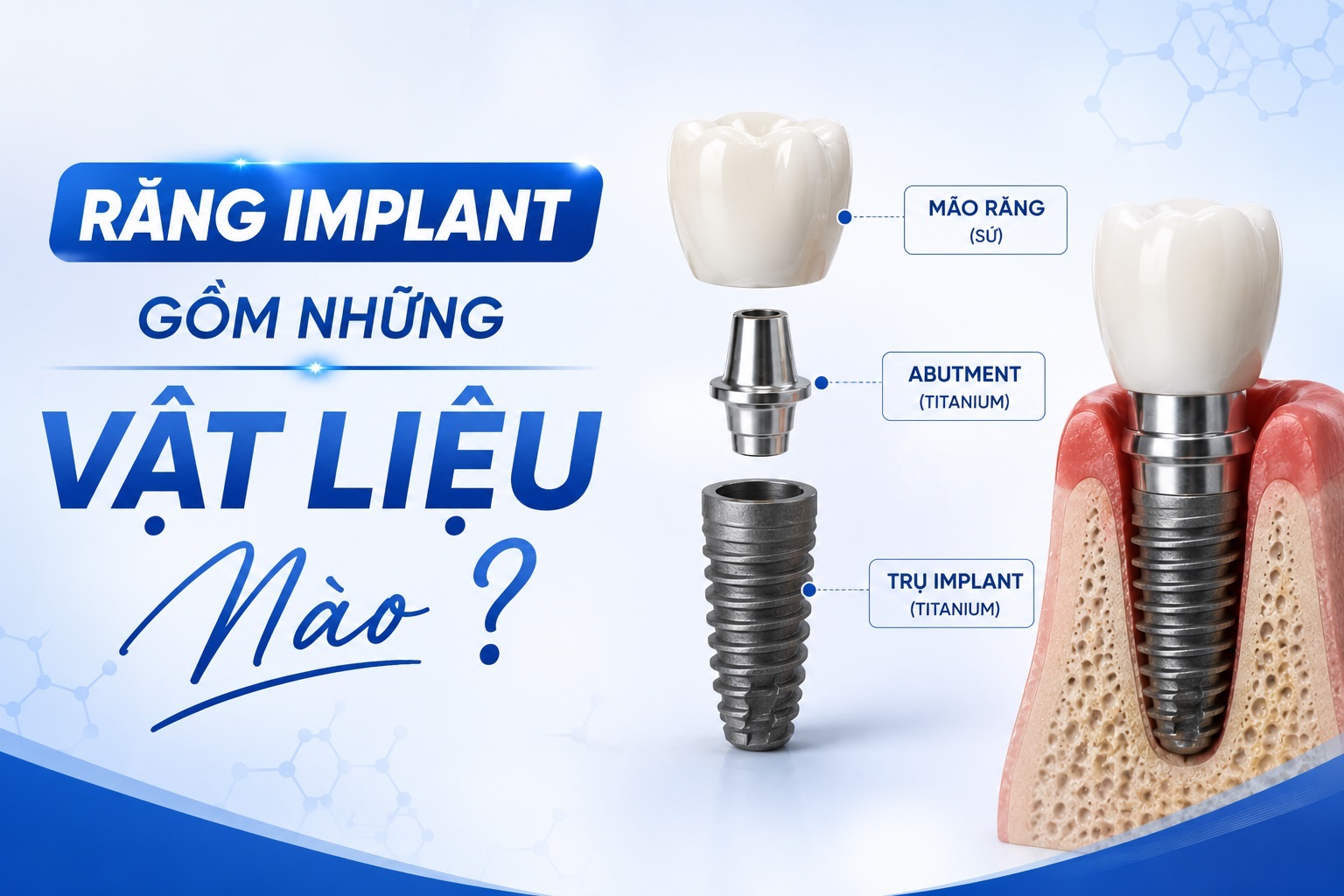
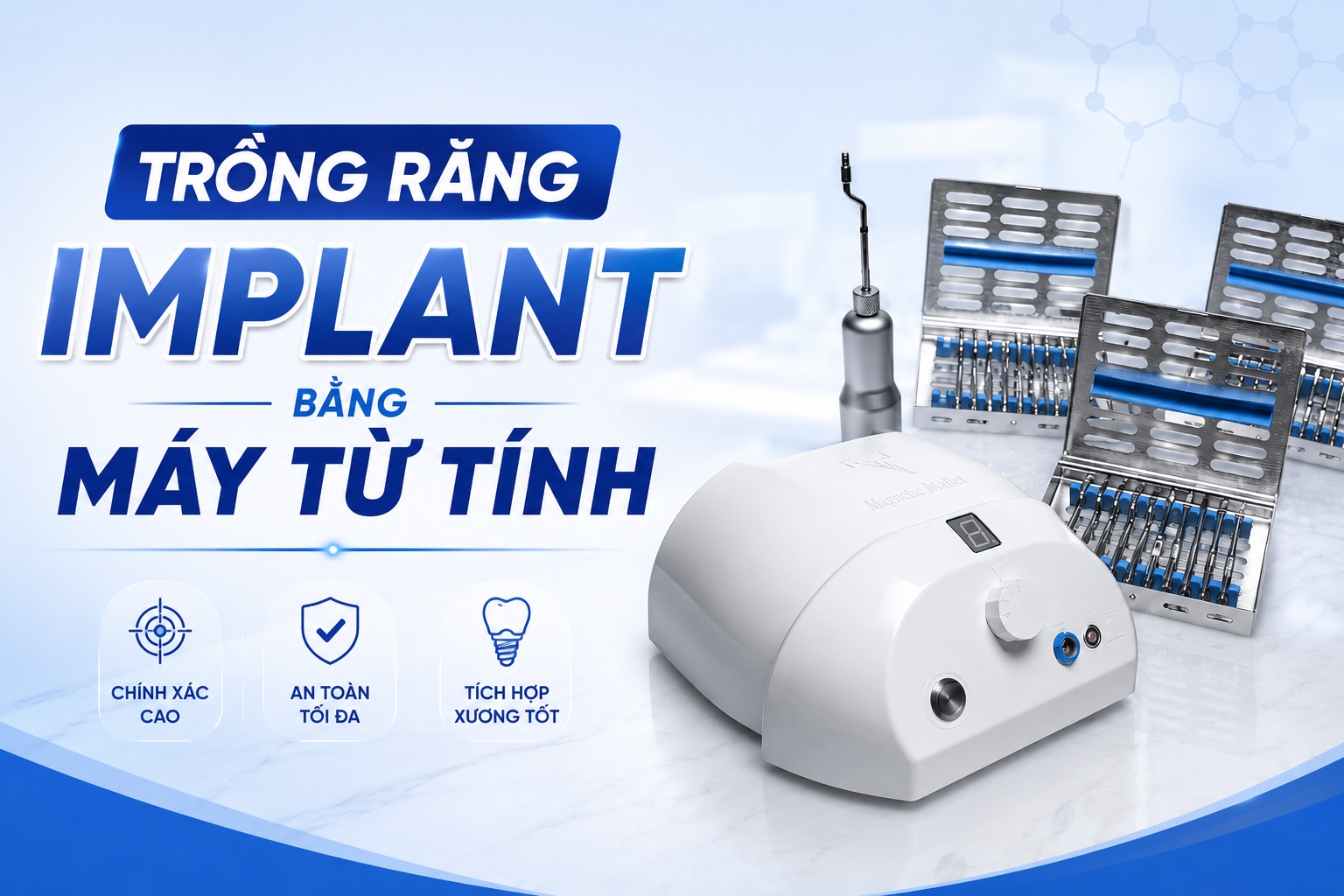
Application of modern technology:Solutions likeDCT personalized dental implants, surgical guides or positioning robots help determine the exact position of the abutment, reduce invasiveness and shorten recovery time.
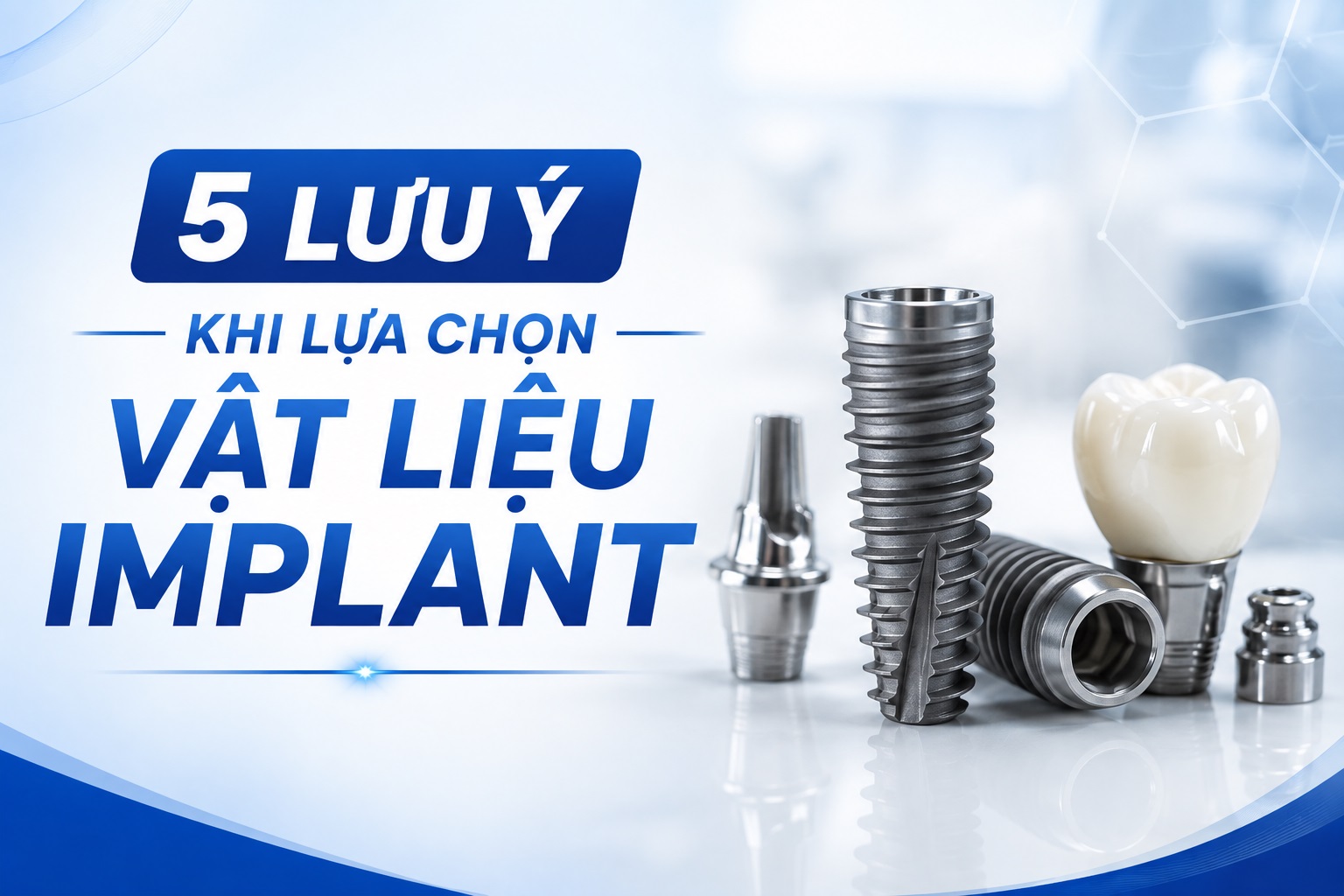
Using genuine implant materials:Helps increase success rate and limit complications.
 (Customer Dao Huu Dan when using dental implant service at Lac Viet Intech Dental)
Slight bleeding after implant placement is normal: This is the body's natural reaction and will go away on its own after 1-2 days.
Proper post-operative care is very important: Follow principles such as biting gauze, eating soft foods, and lying with your head elevated to help the wound heal quickly.
Know how to identify complications: Prolonged bleeding, swelling, pain, pus... are warning signs that require immediate medical attention.
Choosing a reputable dentist is the key: Good doctors, modern technology and a sterile environment will help minimize risks and prevent implant complications.
If you have any questions about dental implants or related issues, don't hesitate to leave them in the comments section. Please followLac Viet Dental websiteor subscribe to Lac Viet Intech Dental YouTube channel to update in-depth knowledge about Implant complications, bleeding during implant placement and many other topics.
News on the same topic

Related questions
Featured news

Sign up for consultation
Partner of Lac Viet Intech Dental Clinic