Language
For the old generation of implants, due to the irreparable disadvantages of the old production method, dental implants had to accept disadvantages such as imperfect aesthetics, or problems such as loose screws, broken porcelain, or stuck food,...
Today, thanks to important advances in material improvements, inventions in manufacturing methods, and especially the birth of Oral Scanning technology, dental implants have entered a new phase, theimplantation stage. PersonalizedCustomized to suit each tooth, each person. It is possible to overcome all the disadvantages of older generation implants.
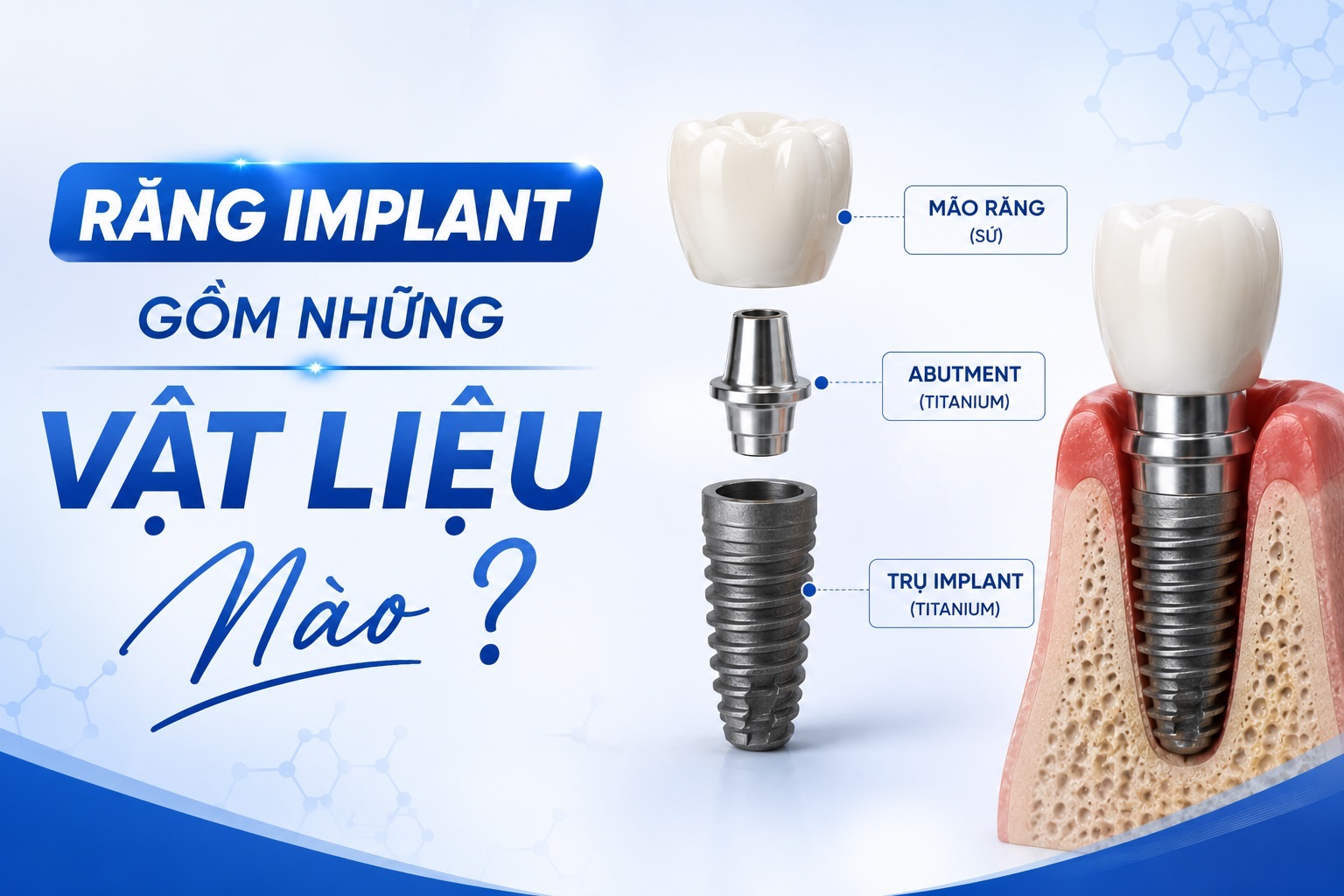
If in the past, the implant root was considered the most important component of a dental implant, today the prosthetic abutment is considered the most important component of a dental implant, the only component that determines the appropriate personalization of that dental implant.
In this article, I will, along with readers, find out what an ideal prosthetic abutment is.
There has been an article classifying the types of prosthetic abutments. image, readers are invited toCLICK HEREto view the article.

Image of customized zirconia post after completion
The quality of a restoration post is evaluated based on the following 5 criteria:
A good restoration post must be able to biologically connect directly with the gum tissue, creating a barrier. Prevents bacteria from the oral environment from penetrating the jawbone.
As you know, there are a lot of bacteria in our mouth. On the other hand, the oral cavity also comes into contact with food and water every day. On real teeth, the reason bacteria and other agents do not penetrate into the gums, alveolar bone and surrounding tissue is because the gums adhere tightly to the tooth neck by the epithelial adhesion system and cruciate and ring ligaments.
For dental implants, the artificial tooth implant is inherently embedded deep into the bone, so the prosthetic post will be responsible for connecting to the gums (similar to real teeth) to prevent bacteria and other agents from penetrating the implant root.
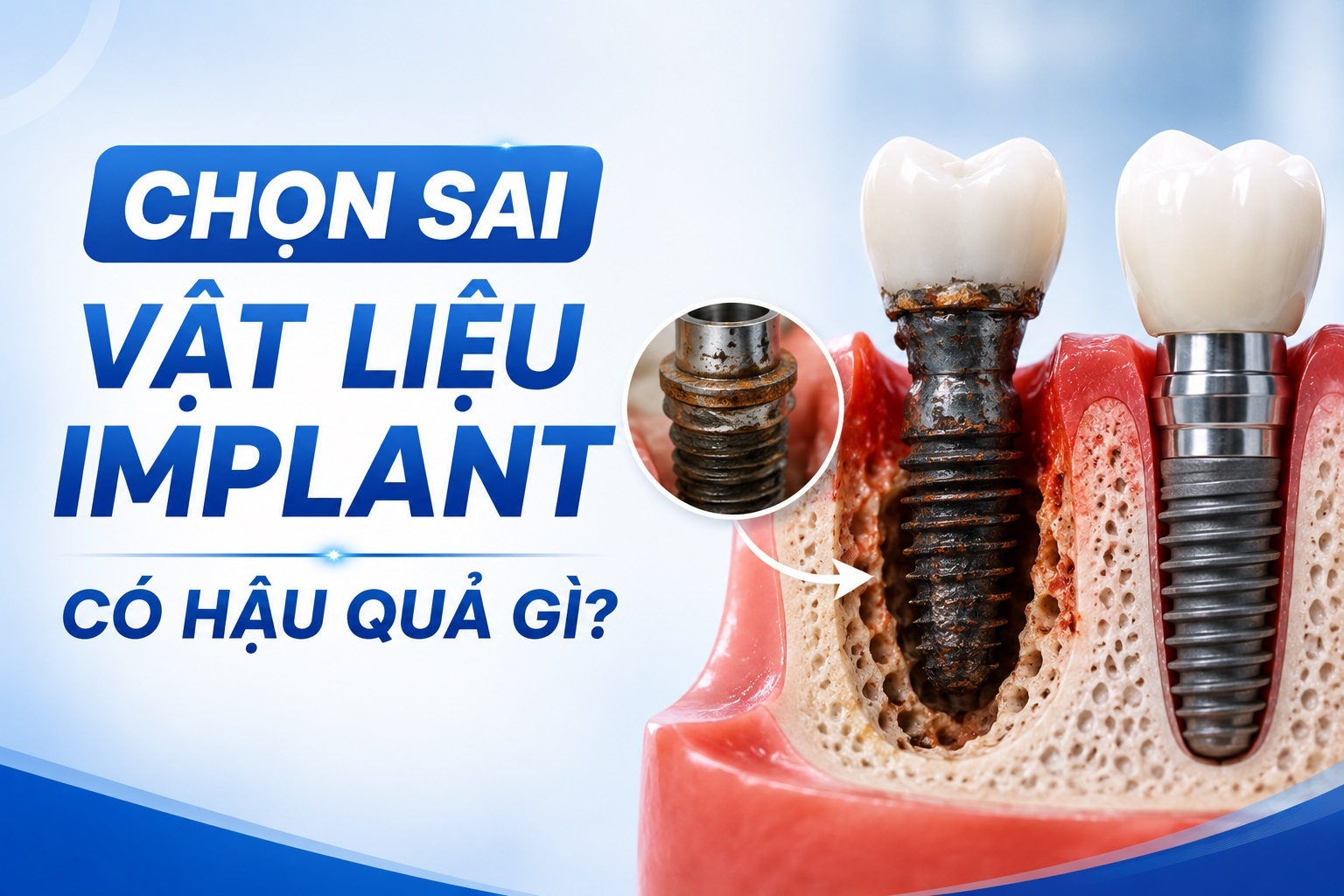
Currently, there are only two types of materials capable of making gums "stick": pure zirconia and titanium. Restorative posts made from stainless steel or similar materials cannot create this barrier, causing the artificial tooth root below to suffer bone loss and osteomyelitis after a period of use. If you have any questions, please ask your doctor Implant consultation for best results.

Restorative abutments have the ability to re-establish biological space and do not have the ability to re-establish biological space.
A prosthetic post is called ideal when it does not change the color of the gums or porcelain teeth when attached to the mouth.
In terms of aesthetics, a tooth or a set of teeth is only beautiful when the color of the gums in the tooth neck area is rosy, and porcelain teeth have the same shape and color as real teeth. When using a non-ideal restoration abutment, it can lead to discoloration of the gums, leading to an unaesthetic dental implant.
White restorations such as zirconia or light yellow (heat-activated titanium) will meet this criterion.
Restoration abutments made with plain titanium tape or black chromium-cobalt tape, often discolor the gums and porcelain teeth attached to it, leading to an unaesthetic implant.

A case of tooth failure. Black gum image due to the use of titanium restoration posts.
Our real tooth necks are different from one tooth to another, from one person to another, it not only brings aesthetics but also avoids food trapping.
A restoration post is called ideal when it must have the same shape as the real tooth neck to recreate the shape of the gums around the implant. This gives dental implants not only perfect aesthetics, but also prevents dental implants from having food stuck in the interstitial area.
Currently, only thePersonalized anatomical restoration abutment system(Customized Abutment) has this property, cemented or screwed restorations are not capable of shaping the gums.

The ideal image of the gingival cavity of the molar (on real teeth will be shaped by the tooth crown).
 Pre-manufactured prosthetic abutments screwed or cemented have only one round shape, so they are not capable of shaping aesthetic gums.

Personalized anatomic prosthetic abutments made of Zirconia have the same shape and color as the tooth crown
As mentioned above, the prosthetic abutment is an intermediate component that plays the role of transmitting chewing force to the root of the implanted tooth on the side. below, thereby helping the chewing force to disperse into the jawbone through the bone trabeculae. A good prosthetic post must have high hardness and stability, not deformed or broken under the impact of chewing and grinding forces.
>>> If you are looking for the best dental implant option, you need to knowhow much does a dental implant costto make an appropriate decision.
A good prosthetic post will help the gums connect biologically directly. directly onto the surface, creating an "orange peel"-like surface, which is the only place that can sense food like real teeth.
Currently, personalized prosthetic abutments are performing this role very well.
For poor quality prosthetic abutments, the gums will not be able to biologically connect to the surface, from which an orange peel-like structure is not formed, making this type of dental implant unable to sense food, unable to sense chewing pressure, which is one of causes of taste disorders as well as chewing overload on dental implants.
For more information about prosthetic posts on dental implants, readers are invited toLac Viet IntechDental Clinic, our experts will examine and advise completely free of charge.
News on the same topic

Related questions
Featured news

Sign up for consultation
Partner of Lac Viet Intech Dental Clinic