Language
Language
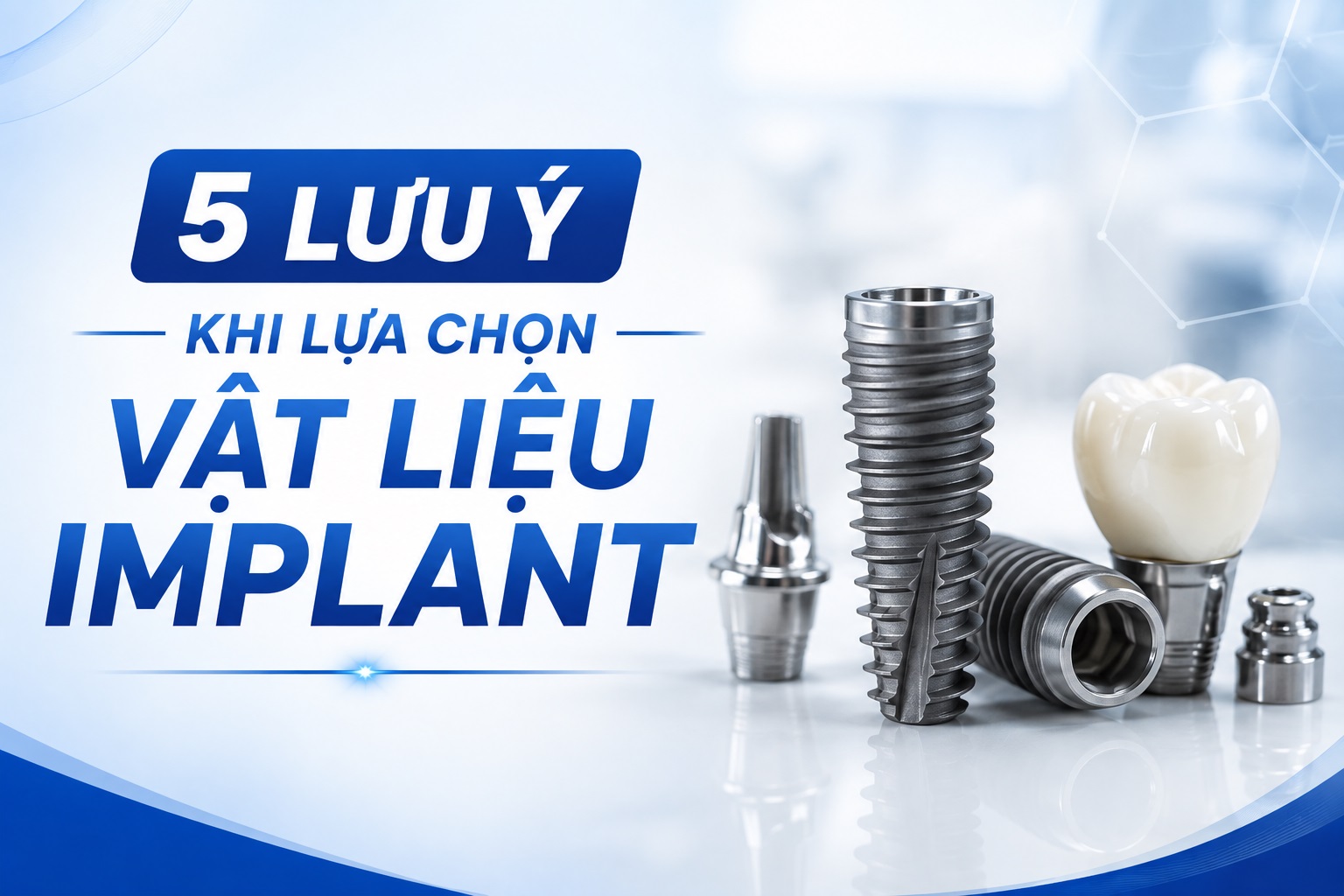
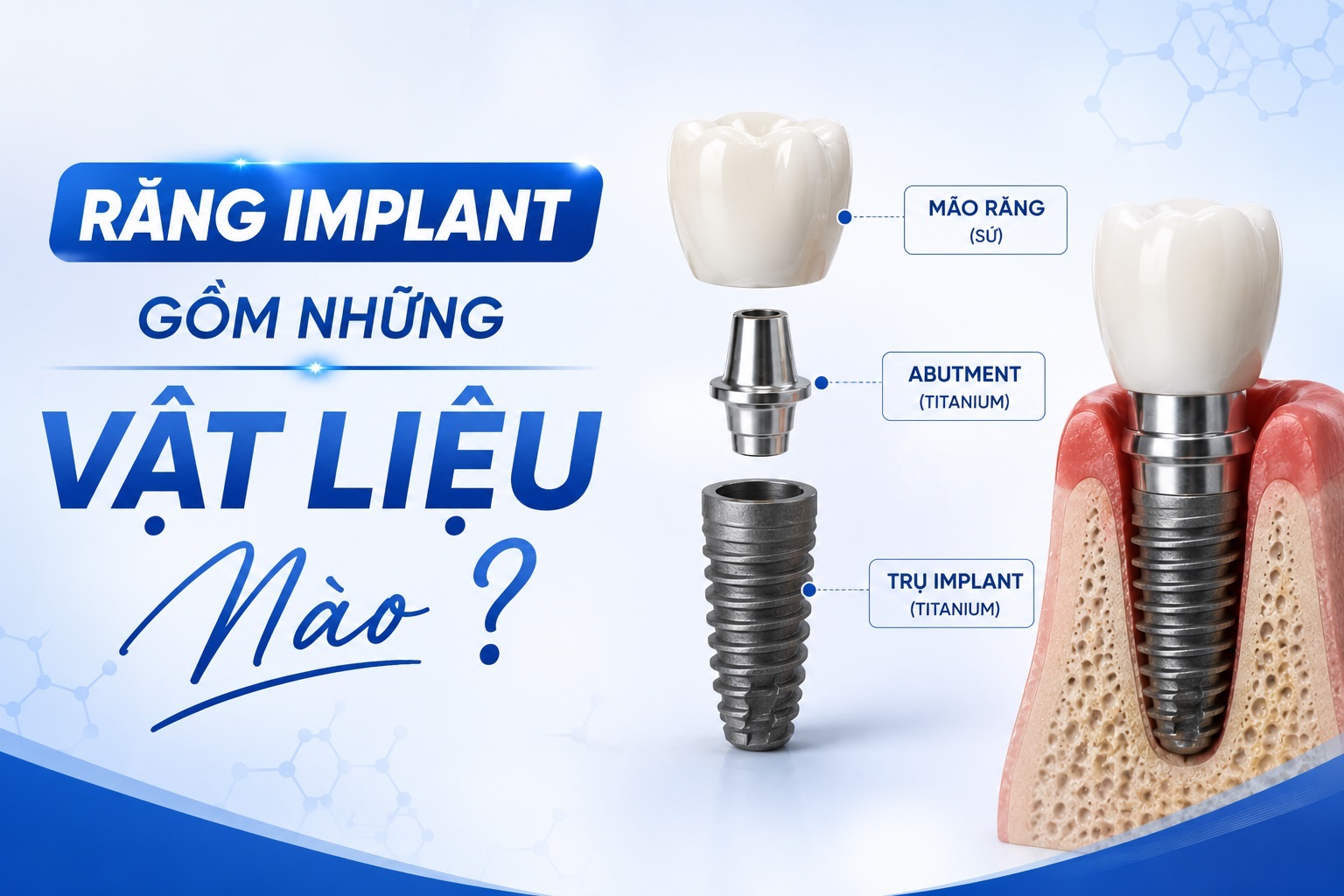
Implant head is an important part of the dental implant structure, acting as an artificial tooth root. The post is implanted directly into the jawbone, with the function of supporting the abutment and the porcelain crown above, helping to create a complete tooth.

Implants are inserted directly into the jawbone, replacing lost tooth roots
Implants perform the following specific roles:
The implant head has an elongated cylindrical shape, the surface has threaded rings and is processed with advanced technology, creating characteristics similar to the microsurgical structure of human bone, thereby increasing the ability to adhere tightly to the jawbone, creating a solid connection. The main material of the implant is usually Titanium - a light metal, highly biocompatible, and integrates well with the jaw bone without causing irritation.

Implants simulate the structure of real human teeth, preventing jaw bone loss when teeth are lost
Current generations of implants are constantly improving in terms of design, materials and surface treatment technology. Below is a comparison table between generations of implants to help you have more detailed information:
| Comparative content | Classic generation | 2nd generation | 3rd generation | 4th generation |
| Images |  |
 |
 |
 |
| Features | Elonged cylinder, smooth surface, simple processing | Treated surface increased roughness compared to the classic generation | The surface is treated with advanced technology such as SLA, creating many caves, cavities, islands of good jaw bone adhesion | The surface is treated with leading technology such as SLActive, automatically attracting bone tissue to adhere, stimulating bone integration |
| Uses | Implanted into the jaw bone to replace lost tooth roots | Replaces lost tooth roots, increases adhesion to the jaw bone | Ability Higher bone integration ability, shorten integration time by about 3 - 4 months | Speed up bone integration time in just 2 - 3 months, high aesthetics and chewing sensor |
| Cost | From 7 - 10 million VND/pillar | From 10 - 15 million VND/pillar | From 12 - 30 million VND/pillar | From 30 - 50 million VND copper/post |
| Typical post type | Yesbiotech (Korea) | Neo Biotech (Korea) | Neo III Active (Korea) | Straumann SLActive (Switzerland) |
|
Note:Costs may vary depending on the policy of each dentist. |
||||
Thus, each type of implant has its own characteristics, suitable for each person's dental and financial situation. You should refer totypes of Implantssuitable for your dental condition to make the most accurate choice.
In addition, when choosing Implants, you also need to pay attention to the following important factors:
Implants play an essential role in the structure of artificial teeth, but are not the only factor that determines the durability of dental implants. Technical factors and other parts of the implant structure such as porcelain crowns, restorations and healing posts also need to be focused on to ensure long-term results.
You should refer to the doctor's comments in the following short video and the content in the next section for more detailed information:
Restorative abutment (Abutment Implant) In the tooth structure, the implant acts as a joint, one part lies in the gums and one part protrudes from the gums, which is the place to attach the porcelain crown above.
The prosthetic post helps distribute chewing force evenly down the jawbone, creating natural gum bulge and establishing a protective barrier to prevent bacteria from the oral environment from penetrating the Implant below.

The prosthetic abutment is the connection between the implant base and the porcelain crown, which plays a role in creating natural gum bulge and regenerating the biological protective barrier to prevent bacteria.
Currently, there are two main types of restorations:

Personalized prosthetic abutments are designed according to individual sizes to suit each person's anatomical structure
To distinguish the uses of each specific type of prosthetic abutment, please refer to Refer to the content in the following table:
| Classification | Structural features | Advantages/disadvantages | Cost |
| Screw abutment (Screw Abutment) | Attach screws from ceramic crown to restoration abutment |
|
From 3 - 5 million VND/abutment |
| Cemented restoration abutment (Dual Abutment) | Fixing the crown with cement on the restoration abutment |
|
From 2 - 4 million VND/abutment |
| Personalized Titanium restoration abutment (Customized Abutment Titanium) | Abutment personalized with Titanium material |
|
From 5 - 7 million VND/post |
| Abutment Zirconia personalized restoration (Customized Zirconia Abutment) | Personalized abutment made of Zirconia material |
|
From 7 - 10 million VND/pillar |
| Note:Costs may vary depending on each dentist's policy. | |||
A good restoration post needs to ensure many factors such as the ability to create an effective biological barrier, reestablish periodontal tissue organization like real teeth and at the same time must be strong and durable enough to withstand long-term chewing forces. Once you know what a dental implant is then choosing the right type of abutment is extremely important.

Personalized restoration abutments have a superior fit to the gums, preventing food retention problems that cause bacteria and plaque accumulation
It can be seen that personalized restoration abutments made of multi-layer Zirconia are the top choice today. The abutment has the ability to recreate the anatomical shape of the gum tissue around the tooth, creating natural bulge and not causing a black glow through the gum tissue, effectively overcoming the inherent limitations of previous restoration abutments.
To learn more about the types of restoration abutments, you can listen to the following experts share:
The porcelain crown in the Implant structure is the outer covering of the restoration, helping to simulate the shape, color and function of real teeth. With the ability to recreate natural tooth enamel, porcelain crowns have transparency and light refraction almost similar to real teeth, providing optimal aesthetic results. The lifespan of a porcelain crown will depend on the material and maintenance, usually lasting from 5 years to 30 years.

Ceramic dental implant crowns are made to cover the outside of the restoration, simulating the shape, color and function of real teeth.
Currently, there are 3 popular types of ceramic crowns: Titanium ceramic teeth, all-ceramic teeth with Zirconia core and Full Zirconia Multilayer all-ceramic teeth, specifically distinguished as follows:
| Comparative content | Titanium ceramic teeth | All-ceramic teeth with Zirconia cores | Full Zirconia Multilayer all-ceramic teeth |
| Structural characteristics | Titanium rib, porcelain coating | Zirconia core, overlay Porcelain | Entirely made of Zirconia, with multi-layer structure |
| Advantages/Disadvantages |
|
|
|
| Durability | 5 - 7 years | 10 - 15 years | 20 - 30 years |
| Cost | From 2 - 4 million VND/tooth | From 4 - 6 million VND/tooth | From 6 - 8 million VND/tooth |
|
Note:Cost may vary depending on each dentist's policy department. |
|||
>>> Please refer to the latestdental implant pricesat Lac Viet Intech Dental Clinic in 2025.

At Lac Viet Intech Dental Clinic, 3D Pro Multilayer porcelain crowns come with Implant and restoration posts, at no additional cost
A good porcelain crown must ensure both aesthetic and functional criteria. Aesthetically, dental crowns need to have the same color, translucency and ability to refract light as real teeth, helping to create the most natural feeling. In terms of function, dental crowns in dental implant structures need to have high hardness, abrasion resistance and elasticity to ensure durability and withstand chewing forces for a long time.

A good porcelain crown must meet high standards of white aesthetics, as well as restore the chewing ability like real teeth
It can be seen that Full Zirconia Multilayer all-ceramic crowns are the top choice, meeting both aesthetics and function with the highest durability, without causing black light, bringing long-term effectiveness to the user.
Lac Viet Intech Dental provides 3D Pro Multilayer porcelain teeth with 100% Zirconia material, fully meets the criteria for white aesthetics, has the same translucency as real teeth, does not cause black light through the tooth crown, and ensures to withstand long-term chewing and biting forces, without causing damage to the opposing teeth.
See more experts sharing about types of porcelain crowns in the following video:
Healing Abutment (also known as Healing Abutment) is a structure that helps shape gum tissue to restore the shape of the gums after the Implant process. Healing posts (Healing in Implant) are attached immediately after implant placement or in the second stage, which is about 2 - 4 months after the implant has firmly integrated into the jawbone.

Healing posts are placed after implant placement, creating conditions for the gums to heal
Although not part of the complete dental implant structure, healing posts still play an important role in shaping the gums and creating space for the attachment process. Porcelain crowns later. There are two popular types of healing posts on the market today, including:
| Comparative content | Pre-made healing posts | Personalized healing abutments |
| Structural features |
|
|
| Advantages/Disadvantages Points |
|
|
| Cost | Free, used in traditional dental implant procedure | Free, included in dental implant solution depends on each dentist |
| Note:Costs may vary depending on each dentist's policy. | ||

Personalized healing posts help gum tissue recover faster, create natural gum bulge, and support the process of installing porcelain crowns later
To ensure the recovery process goes smoothly, you should prioritize using personalized healing posts. This healing abutment line has the ability to naturally re-shape the gums, increase adhesion between the gums and the Implant abutment, and provide good support for the final installation of porcelain crowns.
Specifically, you can see the visual image between 2 types of healing abutments in the following short video:
In addition, you can refer to implant placement simulationto better understand the process and choose the most suitable method for yourself.
In short,Implant structureincludes 3 main parts: Implant post, prosthetic post and porcelain crown, in addition to a healing post that helps accelerate the recovery process of gum tissue. To ensure optimal effectiveness in aesthetics and chewing function, you should prioritize Implant lines that use personalized parts that can integrate well into each person's jaw bone structure and prevent unwanted complications.
If you need further advice on dental implant services that are SAFE, SUSTAINABLE, AESTHETICS, GOOD CHEWING AND CONVENIENT TO USE APPLY, please contact Lac Viet Intech Dental through the following channels for quick support:
Lưu ý : Mọi thông tin trên website Nha khoa Lạc Việt Intech chỉ mang tính tham khảo, không thay thế chẩn đoán hoặc điều trị y tế chuyên nghiệp. Kết quả điều trị thực tế phụ thuộc vào từng cá nhân và cần sự thăm khám trực tiếp của bác sĩ. Chúng tôi khuyến nghị bạn luôn tham khảo ý kiến chuyên gia cho mọi vấn đề sức khỏe.
News on the same topic
Related questions
Featured news
Sign up for consultation
Partner of Lac Viet Intech Dental Clinic