Language
Language

Professional Consulting
D. Hoàng Vũ Hiệp
Dentist
When suffering from tooth decay, many people are often advised to get porcelain crowns to protect their teeth. However,Porcelain crowns for cavitiesIs it really necessary or just costing us unnecessary costs?
According to Dr. Hoang Vu Hiep - prosthodontics and implant specialist at Lac Viet Intech Dental system, not all cases of tooth decay should be covered with porcelain.
Porcelain crowns are only indicated when:
Moderate to severe tooth decay: Loss of a significant amount of tooth tissue.
Teeth that have had root canal treatment: Once a tooth has had a root canal, it is no longer nourished. Teeth become dry, brittle and break easily.
At this stage, real teeth are weak and break easily when chewing. At this time, porcelain teeth act as a "protective cap", helping to increase durability and prolong the life of teeth. In addition, porcelain crowns also help disperse the force of chewing, avoiding breaking the weak tooth crown after the root canal has been removed.
On the contrary, in cases of mild decay and a lot of tooth tissue, the doctor recommends just cleaning and filling with biological material. This method both saves costs and preserves the maximum amount of real tooth tissue.
"Overuse" of porcelain crowns can cause a lot of tooth wear, loss of healthy tooth tissue and even increase the risk of pulpitis. Therefore, you should consider carefully before deciding.

Overuse of ceramic coating indications can cause unwanted consequences. Below are 3 cases where you should not have porcelain crowns for cavities:
This is the early stage of decay, the damage is only in the superficial enamel or dentin layer, does not affect the pulp, and does not cause lasting pain or sensitivity.
The treatment principle is to preserve the maximum amount of real tooth tissue. The doctor will clean the deep tissue and fill it with a biological material such as composite or GIC.
Composite: durable, highly aesthetic, color similar to real teeth.
GIC: helps remineralize tooth enamel, suitable for milk teeth or areas not subject to strong chewing force.
Fast procedure time, only about 15–30 minutes, low cost and almost retains the original tooth.
In this case, porcelain crown is not necessary because The doctor will have to grind away healthy tooth tissue, reducing biological durability in the long term.
When tooth decay has spread, causing one or two tooth walls to break, even though the pulp is still strong, the remaining tooth is weak, not enough for a durable filling.
If only a normal filling is used, the tooth can easily peel or crack when chewing vigorously.
The appropriate solution is to use partial ceramic restorations such as inlay, onlay, overlay or table-top.
This is the technique. Cast a porcelain piece to fit the lost tooth tissue, then fix it with specialized dental glue.
Advantages:
Durable, close-fitting, highly aesthetic.
Maintains maximum healthy tooth tissue.
Restoration lifespan is up to 10–15 years if well cared for.
According to Dr. Hiep, this is the ideal solution for cases of moderate to large tooth tissue loss where the pulp is still alive, ensuring good chewing without having to grind teeth too much like having full porcelain crowns.
When the tooth has had a root canal, meaning it has lost its natural source of nourishment, the tooth becomes dry, brittle and prone to breaking.
In particular, molars are exposed to a large amount of chewing force every day, so a full ceramic crown is almost mandatory.
Ceramic crowns help protect the entire tooth crown, disperse chewing force, limit cracking, and prolong the life of the real tooth.
If not covered, the tooth after root canal treatment may be damaged. Breaks after only a short time, forcing the implant to be removed and replanted - both expensive and time-consuming.
However, if it is a front tooth, the chewing force is low and the tooth has not changed color, you can consider not getting porcelain crown but only light cosmetic restoration.
This case includes teeth with periapical inflammation, looseness, loss of a lot of tooth tissue or deep infection.
When the tooth root and bone around the tooth are weak, porcelain crown is no longer effective because there is not enough foundation to hold the porcelain crown.
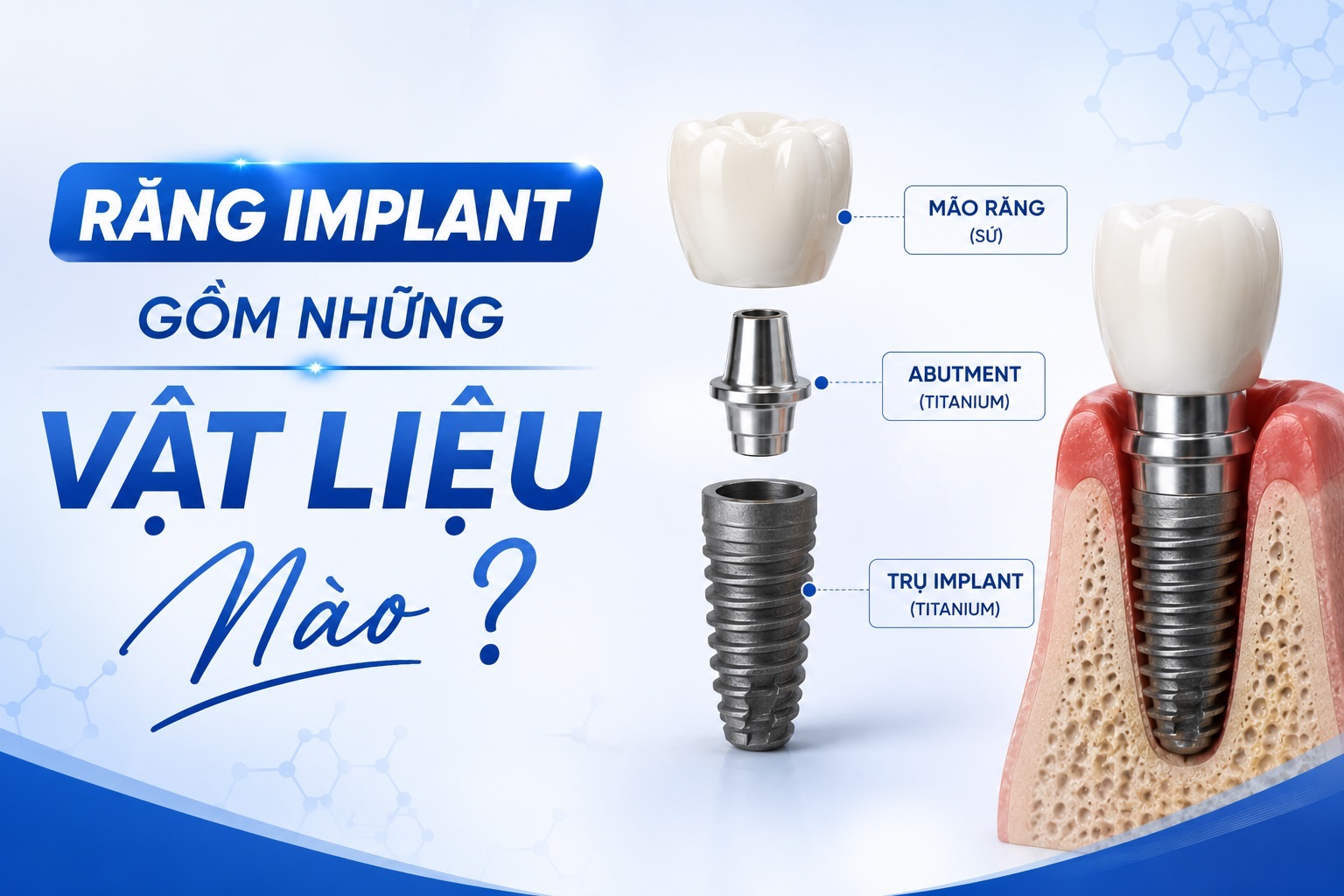
At this time, the doctor often prescribes tooth extraction and restoration with Implant - a solution to replace the real tooth root with a titanium post.
If not qualified, a bridge can be made. Porcelain teeth, but this method requires grinding teeth on both sides to serve as supporting pillars.
According to Dr. Hiep's clinical experience, early removal and restoration helps prevent infection from spreading and ensures long-term oral health.
 (Simulated image of porcelain crowned teeth)
In principle, porcelain teeth do not decay because there is no biological tissue for bacteria to attack.
However, if the porcelain teeth are not tightly fitted, saliva and food can still get in, causing decay inside the real teeth.
Common causes are:
Dental work at a poor quality facility.
Doctor's skills are weak, tooth grinding techniques are wrong.
Improper porcelain veneers cause bacteria to invade.
At that time, the tooth will be exposed, decayed, or even have pulpitis or periodontitis without the patient knowing.
If the pulp has not been cleaned and is still covered with porcelain, bacteria will grow underground, causing chronic infection.
Therefore, the doctor emphasized: Do not make porcelain teeth when root canal treatment has not been completed.
Treatment costs depend on each option and tooth condition:
Tooth filling: 200,000–500,000 VND/tooth
Inlay/Onlay: 3–6 million VND/tooth
Full porcelain crown: 3–8 million VND/tooth (depending on the type of porcelain)
Currently,Lac Viet Intech Dental ClinicNo longer use metal porcelain teeth, but replace them with high-quality all-ceramic teeth for superior aesthetics and durability.

(Image of teeth grinding after porcelain coating)
Porcelain crowns for cavities are a useful solution. However, it is not the only option.
Don't overuse porcelain crowns: Not all cavities need porcelain crowns.
Understand the condition of your teeth: Discuss clearly with your doctor. Porcelain coating only when necessary.
Selectreputable dentistry: This ensures standard processes and good materials.
If you have any questions about tooth decay treatment, please leave a comment. Don't be afraid to ask your doctor for the best decision.
Follow the websiteLac Viet Dentalor subscribe to the YouTube channel Lac Viet Intech Dental to update in-depth knowledge aboutcavity porcelain crowns.
News on the same topic

Related questions
Featured news

Sign up for consultation
Partner of Lac Viet Intech Dental Clinic