Language
Language

Professional Consulting
D. Nguyễn Gia Bảo
Dentist
Implant bone grafting is a technique to supplement and regenerate jawbone that is lost due to long-term tooth loss.
You need to have bone grafting done in caseThe jaw or alveolar bone does not have enough volume due to long-term tooth loss. Then the doctor can perform an artificial bone graft orsinus lift(only applicable to the upper jaw) to create a solid foundation for implant placement. Bone graft inserted into the defect area will stimulate new bone cells to grow, help regenerate bone tissue and increase the ability to integrate the implant.

Bone grafting is a procedure to supplement bone when the jaw bone does not have enough volume to accommodate an implant
To better understand why bone grafting is needed when implanting, you can refer to the video below:
To successfully plant bone graft dental implants, the jawbone needs to have enough volume and density to support the implant post. Perform specializes in dental implants Must follow doctor's orders. However, the doctor needs to evaluate based on each person's health condition to prescribe dental bone implants or not, specifically:
The doctor will prescribe Bone grafting implant Before implant placement if you fall into one of the following cases:

Bone grafting is indicated for people with insufficient jaw bone to accommodate implants
Not everyone can have bone grafting before implant placement. Some cases may be at high risk or ineffective when performing this method, including:

For people who have lost all their teeth and have lost a lot of jaw bone, they are often prescribed All-On-4 or All-On-6 implants to avoid the need for bone grafting.
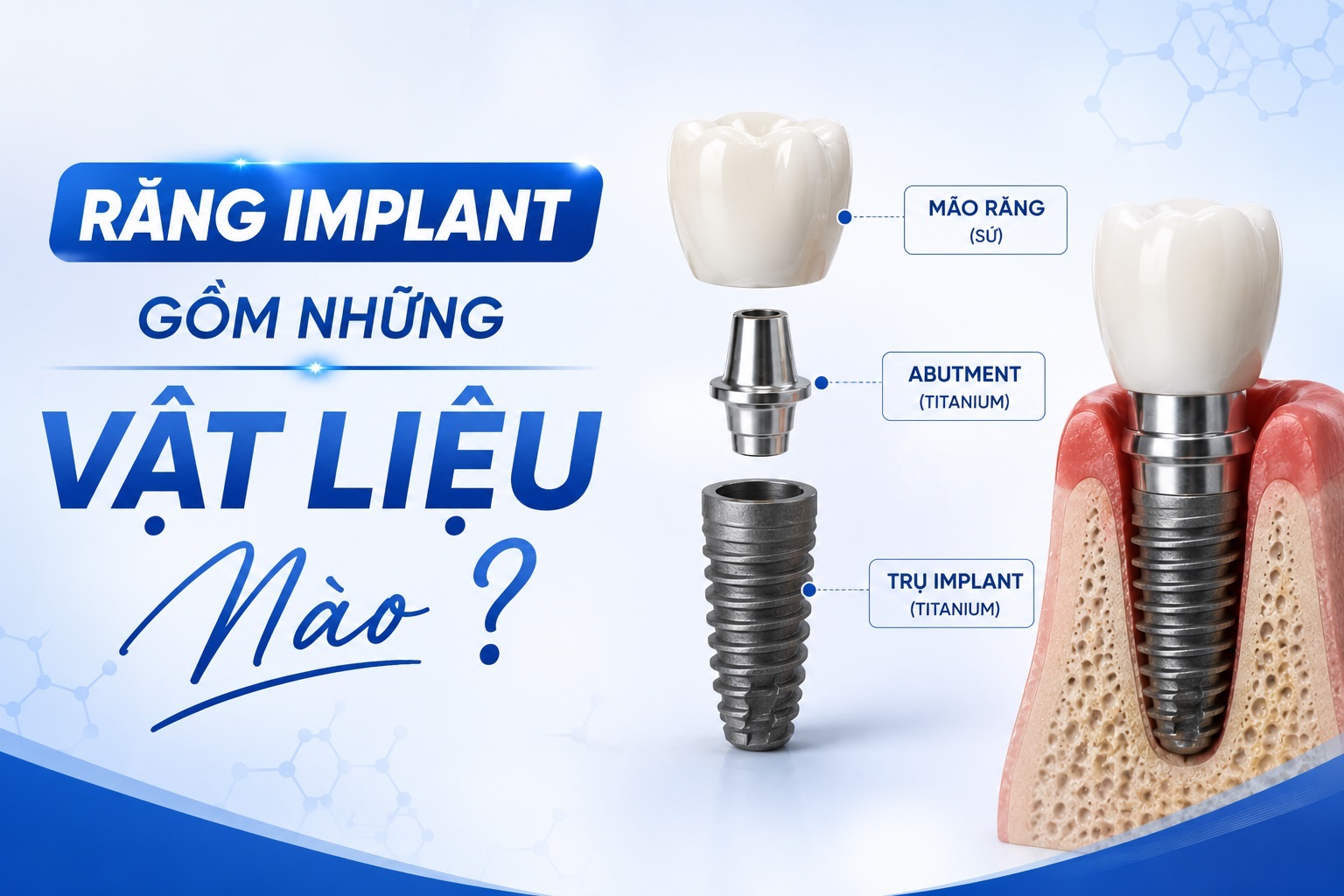
Currently, the materials Bone grafting implant Popular include:
3.1. Autologous bone (Autograft)
Taken from the body itself, usually from the angle of the chin, eye bones or pelvis.
3.2. Allograft bone
Taken from the donor, processed to remove antibodies to match the transplant recipient.
3.3. Xenograft (Xenograft)
Taken from animals (usually cows) that have undergone biological treatment technology.
3.4. Synthetic Bone (Synthetic)
It is an artificial material made from inorganic compounds that can be biodegradable or non-digestible depending on the type. This is a commonly used material due to its reasonable cost and high success rate.
The choice of bone graft will depend on the condition of the jaw bone and the doctor's instructions to ensure the highest treatment effectiveness.
In addition to the restoration method with a single implant, some people with complete tooth loss can chooseRemovable jaw on Implantto improve chewing function. This is a solution that combines a fixed implant post and a removable denture base, helping to increase stability and limit the denture's misalignment when in use.
For the implant placement process to go smoothly, bone grafting needs to be performed according to a standard procedure, ensuring accuracy and safety as follows:

The doctor will conduct a general examination, evaluate oral condition andConebeam CT scanto check jaw bone density. This process usually lasts about 30 - 45 minutes, helping the doctor determine the level of bone loss and prescribe bone grafting if necessary.

The doctor will give you a Conebeam CT scan to see if you need a bone graft or not
Before performing the bone graft, the doctor will clean the oral cavity and disinfect the surgical area to ensure an absolutely sterile environment. Next, you will be given local anesthesia to reduce discomfort during the procedure. This stage lasts about 10 - 15 minutes.

The doctor will anesthetize before performing the bone grafting procedure, ensuring you do not feel pain during the procedure
After anesthesia, the doctor opens the gum flap to access the jawbone area, using surgical tools that have been sterile according to Ministry of Health standards. Then, in artificial bone grafting surgery to implant the implantOr autologous bone graft surgery to implant, bone graft powder will be mixed with physiological saline to balance the moisture, making it easier for the bone to integrate.
The doctor will put bone material into the position that needs grafting. In some cases, a collagen membrane may be placed to cover, helping to protect the grafted bone area and prevent soft tissue invasion. Implementation time usually only takes about 5 - 10 minutes for a simple synthetic bone graft when combined with an implant session. In more complicated cases of Bone Implant, the surgical process can last from 30 - 45 minutes, depending on the bone condition of each person.

The process of Bone Transplant in Implant is performed in a sterile environment, limiting harmful factors to the healing process
Finish During the process of bone grafting and implantation, the doctor will sew up the mucosal flap to protect the surgical area. This stage happens quite quickly, maybe only in about 10 - 15 minutes. After that, you will be given detailed instructions on diet, oral hygiene and notes during the recovery period.
Normally, the doctor will make a follow-up appointment after 7 - 10 days to check the wound and evaluate the healing process. In some cases, you need to come back after 4-6 weeks to check the level of integration of the bone graft before proceeding with the next steps in thedental implant process.

You need to have a follow-up appointment so that the doctor can monitor your recovery progress after bone grafting
The cost of bone grafting ranges from 4,000,000 - 6,000,000 VND/unit, depending on the type of grafting material and the level of bone loss of each person. To know the exact cost suitable for your dental condition, you can refer to thedetailed price listat Lac Viet Intech Dental Clinic.
The success rate of artificial bone grafting ranges from 80 - 90%, depending on the technique used, doctor's skill and post-operative care.If these factors are ensured, the ability of the grafted bone to integrate well and be eligible for implant placement may be higher.
However, some factors can reduce the success rate, such as smoking, pathology. background (diabetes, osteoporosis) or infection. Therefore, to ensure optimal results, you need to have a thorough health check before the procedure, choose a reputable dental clinic, and follow your doctor's instructions throughout the recovery process.

If all factors regarding materials, techniques, and bone grafting environment are met, the success rate can be up to more than 90%
During the surgery, you will not feel pain due to local anesthesia.. However, about 1 hour later, when the anesthetic wears off, there may be mild pain, discomfort or swelling in the bone graft area. This is a normal reaction of the body and will gradually decrease after a few days if properly cared for.
To effectively reduce pain, you can apply cold compresses for the first 24 hours, warm compresses from the second day and limit strong impact on the bone graft area. The doctor will also prescribe appropriate pain relievers and anti-inflammatory drugs to help the recovery process go smoothly.
If you are still concerned about pain when performing this method, please refer to the articleDoes bone grafting with implants hurtto better understand and best prepare psychologically before treatment.

After the anesthetic wears off, you may feel pain but you can reduce it by compressing your cheeks. and take medication as prescribed
Healing time after bone implant grafting ranges from 3 - 6 months, depending on each specific case. Factors affecting the recovery process include the type of bone graft, each person's constitution, bone loss and post-operative care.
While waiting for the bone to heal, you need to closely follow the doctor's instructions, avoid strong impact on the grafted area and maintain a suitable nutritional regimen to support the bone regeneration process.

The healing speed after bone grafting depends on many factors, on average it lasts from 3 to 6 days. month
Normally, the bone graft area will heal completely and be eligible for implant placement after about 3 - 6 months. This is the time needed for the bone to integrate well, ensuring firmness and stability, thereby increasing the success rate of the implant process.
However, in some cases, you can have an Implant placed immediately after bone grafting if the bone density is still good, the bone volume is not too much resorbed and there is no serious dental disease. The advantage ofimmediate implant placementhelps shorten treatment time and limit the number of surgical interventions.
To know exactly when is the right time to insert an implant, you should have a follow-up appointment so that the doctor can check the level of bone recovery and give appropriate instructions.

Depending on each person's recovery progress, the doctor will monitor to consider the appropriate time for implant placement
Hope the article helped you better understandImplant bone graftingand have the best preparation before treatment. This procedure is especially necessary for cases where the jawbone is hollow, helping to create a solid foundation for the implant. However, you should come directly to the dentist for examination to know whether you need bone grafting or not and receive advice on suitable materials.
If you need more information and advice on the fast, safe and highly biocompatible bone grafting procedure at Lac Viet Intech Dental, please contact us using the following methods for the fastest response:
Lưu ý : Mọi thông tin trên website Nha khoa Lạc Việt Intech chỉ mang tính tham khảo, không thay thế chẩn đoán hoặc điều trị y tế chuyên nghiệp. Kết quả điều trị thực tế phụ thuộc vào từng cá nhân và cần sự thăm khám trực tiếp của bác sĩ. Chúng tôi khuyến nghị bạn luôn tham khảo ý kiến chuyên gia cho mọi vấn đề sức khỏe.
News on the same topic

Related questions
Featured news

Sign up for consultation
Partner of Lac Viet Intech Dental Clinic