Language
Zygoma Implant(Zygoma Implant) for dental restoration was first introduced in the late 1990s by Dr. Per Ingvar Brånemark - Father of dental implantology. This is a technique that has been used to restore missing teeth in patients with tooth loss in the entire upper jaw and insufficient bone volume in the upper jaw for conventional implants.
 Zygoma Implant
 has a cylindrical design, its length can vary from 50 to 60 mm. The artificial tooth root has screw threads and an angled neck that makes it easy to screw the implant into the cheekbone. The screw itself has a special porous coating TiUnite, which speeds up the time of fusion with bone tissue, growing quickly and reliably into the holes of the implant.
Cheekbone implants differ from conventional implants in the following characteristics:
>>> If you are in need of dental implants but are unclear about the cost, let's find out in the article "Including dental implants much".
Zygoma implant is treated for patients who cannot have a conventionalimplant, do not want to undergo a long and expensive sinus lift, but at the same time want quick results. Often these are people with acute bone tissue atrophy due to using dental bridges and being toothless for a long time.
In addition, this technique can also be performed for patients who want to restore upper chewing teeth after osteomyelitis. And even in cases of purulent inflammation and necrosis of the bone, the zygomatic implant is well rooted and remains as stable as possible.
Due to the tilted installation and fixation in the dense zygomatic bone, the implants have the highest degree of initial stability, allowing them to be used to immediately load the restoration.
Immediately after the dental implant, a maximum of 2-3 days later, an acrylic fixed restoration with a strong metal base is installed on top. Immediate restoration not only brings aesthetics but also helps the patient to start chewing food easily and simply. Within a few weeks after implantation, the patient will be able to eat normally and after six months or a year the adaptive prosthesis can be replaced with a permanent structure.
 Zygoma implant combined with conventional implants
Cheekbone implants have significant advantages over other conventional implants.
The first,Zygoma implant does not require bone grafting and is suitable for patients with severe bone loss in the upper jaw. This helps shorten treatment time from 6-9 months.
Monday,Instant loading without health risks is a significant plus. Patients can eat and chew within a few hours after implantation.
Tuesday,Cheekbone implants reduce the number of surgical interventions. Additionally, the technique is performed using an abbreviated drilling protocol, making the surgery quicker and more comfortable for the patient than with classic implants;
Besides the above outstanding advantages, this technique still has some disadvantages as follows:
Requires high medical skills
In every surgery, safety needs to come first. In particular, the complexity of the Zygoma implant technique requires doctors to have strong skills and professional knowledge. Only a good doctor can come up with a treatment regimen that is suitable for performing safer surgery.
Specialized and modern equipment
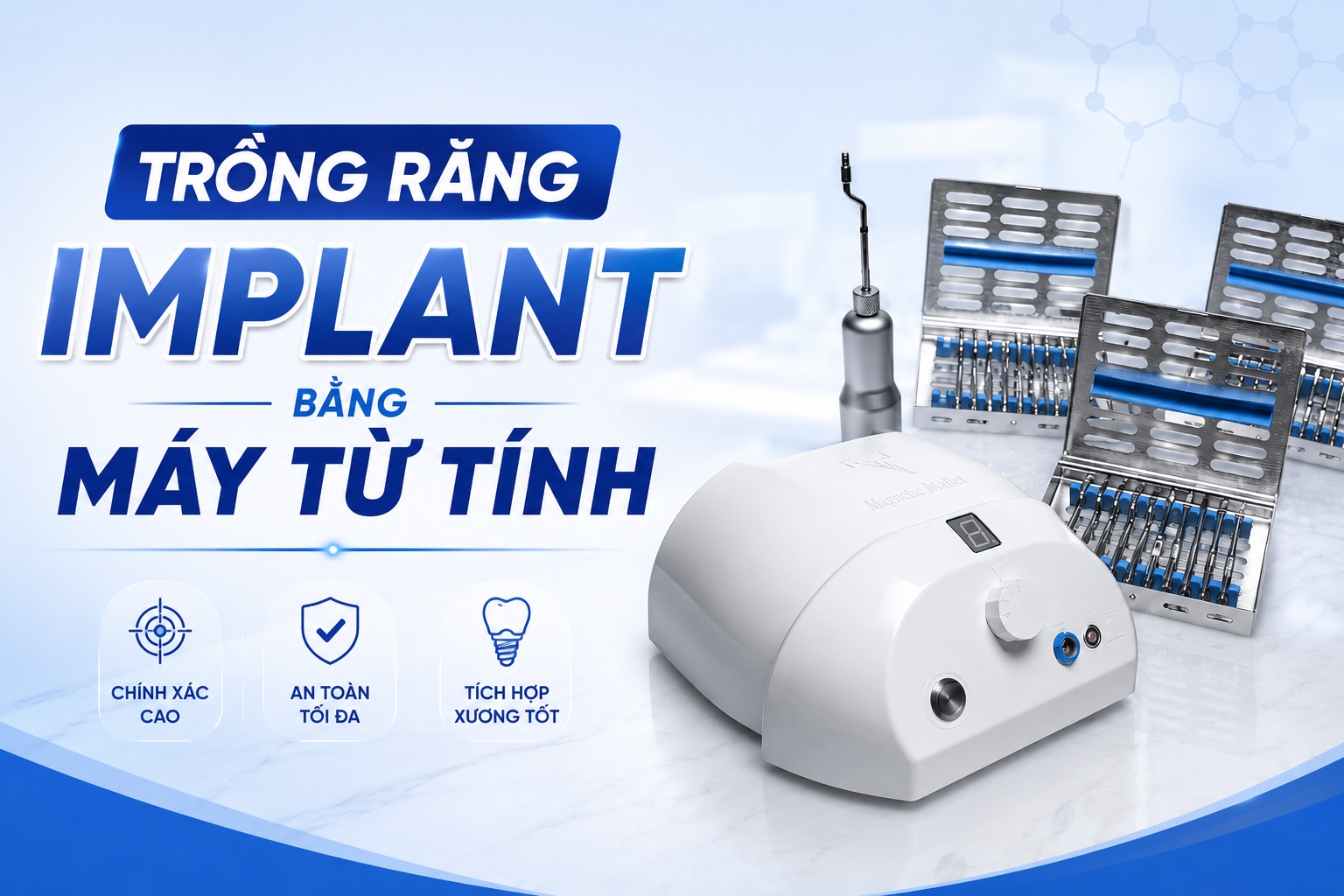
Zygoma implant must be supported by modern machinery and equipment to bring high results in treatment and limit complications. Therefore, to ensure accuracy, safety and efficiency, modern machinery and technology must be applied in all stages of the examination and treatment process.
The cost is red
Zygoma implant treatment costs are much higher than conventional implants. Therefore, this technique is often chosen by few customers, even though it is highly effective.
 The Zygoma implant is placed at an angle of inclination - 45° or 60°
The bone implant process goes through the following 3 stages:
Step 1: Examination and inspection
Examining your overall oral health is the first step in the treatment process. According to experts: The process of cheekbone implantation is similar to regular implantation but requires more specialized techniques.
The doctor will use CT Cone Beam 3D X-ray to determine tooth loss andjaw bone loss. Based on that, the doctor will create an accurate treatment regimen, ensuring the success rate of the treatment case.
Step 2: Surgical stage
The patient will be given local anesthesia before surgery. The implant is then inserted through the created access into the cheekbone, followed by installation of the posts. This process takes 1-2 hours.
Step 3: Restoration stage
Immediately after implantation or within a few days, temporary teeth will be installed on top through a fixed abutment, ensuring chewing and facial aesthetics.
With the information in the article on the topic "Cheekbone Implant", we hope to have provided enough knowledge about this topic. If you have any questions that need to be answered, you can contact Lac Viet Intech Dental Clinic via hotline 1900 6421.
News on the same topic
Related questions
Featured news

Sign up for consultation
Partner of Lac Viet Intech Dental Clinic