Sinus lift in implant placement is an important technique for people with maxillary bone deficiency. With the development of medical technology, sinus lift methods are increasingly diverse with their own advantages and limitations. This article will introduce three popular sinus lift techniques, helping you better understand the procedure and make the most suitable choice.
1. What is sinus lift in dental implants?
Sinus lift is a technique to lift the bottom of the maxillary sinus back to near the original anatomical position, then graft artificial bone into the space between the jawbone and sinus mucosa.This is a procedure in implant implantation, performed to create favorable conditions for placing the implant in the correct position and ensure long-term stability.
Normally, you need to lift the sinus when the height of the remaining jaw bone is too high. low (under 8mm), due to long-term tooth loss causing bone loss and jaw sinus prolapse. In this case, if you do not lift the sinus and place an implant, the post may not be strong enough or even penetrate the sinus, causing dangerous complications.

Tooth loss causes the sinus cavity to fall, leading to a lack of bone volume for maxillary implant placement
2. Why is it necessary to lift the sinus when implanting?
The maxillary sinus is a hollow cavity located in the upper jaw bone, extending from the area of teeth number 4 to tooth number 8. This sinus plays an important role in ventilation, dust filtering and sound resonance. When you lose your upper teeth for a long time, the jawbone at that location tends to disappear, leading to the jaw cavity expanding and falling.
This change reduces the height of the jawbone, causing the bone area to not have enough volume to safely and stably place the implant. Therefore, sinus lift is necessary to regenerate jawbone height, creating a solid foundation for the implant process.

Sinus augmentation helps the upper jaw have enough bone volume to ensure the implant is firmly implanted
3. Cases where sinus lift is needed for implant placement
Sinus lift method is indicated in the following cases:
- The upper jaw bone is thin, the maxillary sinus is low:When the maxillary bone is not thick enough and the maxillary sinus expands downward, the remaining bone space is not enough to safely and stably place the Implant. Sinus lift helps increase jaw bone height, creating a solid foundation for implant placement.
- Long-term loss of upper teeth leads to serious bone loss:Losing teeth for a long time without timely recovery can cause significant jaw bone loss, reducing the bone volume needed for implant placement. Sinus lift in this case helps restore the height and volume of the jawbone, ensuring ideal conditions for implant placement.
However, not all subjects are suitable for sinus lift.People with chronic sinusitis are usually not recommended to have this procedure done. Chronic sinusitis can increase the risk of complications and affect the healing process after surgery. It is necessary to completely treat sinusitis before considering sinus lift and implant placement. If you still don't understandwhat a dental implant is, please ask your doctor to explain!

The sinus lift method is suitable for people who need an upper dental implant but their maxillary sinuses are too low
4. 3 potential risks when lifting sinuses and implants are not guaranteed
Choosing an unreliable dental facility and a doctor lacking expertise can lead to serious risks during the sinus lift and implant procedure, including:
- Infection:If the surgical procedure is not performed in a sterile environment, bacteria can enter the wound, causing infection. This condition results in pain, swelling, and in severe cases, can lead to loss of jaw bone integration.
- Prolonged bleeding:Damage to blood vessels around the surgical area due to careless handling can cause prolonged bleeding. If not controlled promptly, this condition can lead to blood loss, inflammation, swelling, pain, pus and affect the recovery process.
- Sinus perforation:During surgery, if the doctor does not determine the exact location and depth when operating, it can cause a puncture of the sinus membrane, leading to air or fluid leaking from the sinuses into the oral cavity, causing acute sinusitis and other serious complications.
To avoid the above risks, you should You should choose a reputable dental facility with a team of experienced doctors and modern equipment to ensure the surgical procedure is performed safely and effectively.

When inserting an upper jaw implant, if the doctor determines the wrong depth, the implant can be inserted into the maxillary sinus, causing many dangerous complications
Currently, there are 3 popular sinus lift techniques applied in implant implantation, including closed sinus lift, open sinus lift and hydraulic sinus lift. Each method has its own implementation process and advantages and disadvantages, suitable for each jaw bone condition, specifically:
5.1. Closed sinus lift technique
Closed sinus lift is a method performed from the inside through the implant site, not requiring extensive surgery. The doctor will make a small incision in the gum at the location where the implant is needed, then drill a small hole into the jawbone to access the sinus membrane.
The sinus membrane is gently lifted, then bone graft material is inserted into the space between the jawbone and the sinus membrane to create enough bone volume needed for the implant. The advantages and disadvantages of this method are:
- Advantages:
- Less invasive:This method does not require extensive surgery, helping to minimize pain and recovery time for you.
-
- Short treatment time:Closed sinus lift is often performed at the same time as implant placement, helping to shorten the total treatment time.
- Disadvantages:
- Depends on the doctor's experience:Do not With direct vision, this technique requires the doctor to be highly skilled and experienced to avoid complications.
- Risk of tearing the sinus membrane:Lifting the sinus membrane with mechanical tools can lead to the risk of tearing the sinus membrane if not done carefully.
- Applicable limitations:This method is not suitable for cases where the maxillary sinus drops too low, the sinus floor is rough, or the sinus membrane is too thick.

Closed sinus lift is a less invasive method, reducing pain and treatment time
Closed sinus lift is often applied when the remaining bone height is from 4 to 8mm and the maxillary sinus floor does not have risk factors such as the sinus membrane is not thick or has a septum. The procedure includes the following main steps:
- Step 1 - Open a line under the tooth root:The doctor makes a small incision under the tooth root at the position where the implant is needed, then drills a small hole to access the sinus membrane.
- Step 2 - Raise the sinus membrane:Through the drilled hole, the doctor uses a specialized tool to separate the sinus membrane from the sinus bottom, lifting the sinus floor up.
- Step 3 - Bone graft:Artificial bone is inserted into the space between the jawbone and the newly raised sinus membrane, filling the space to create a foundation for the Implant.
- Step 4 - Inserting the Implant:If eligible, the Implant is inserted immediately after the sinus lift, integrating with the jawbone during the healing process.
- Step 5 - Suturing the gum flap:Finally, the doctor sutures the gum flap with absorbable thread, completing the surgical process.

Process Performing a closed sinus lift goes through meticulous steps and requires highly skilled doctors
5.2. Open sinus lift technique
Open sinus lift (also known as sinus lift technique with side window) is a surgical method in implant implantation, to improve jaw bone height when there is bone deficiency. This technique is performed by creating a small window on the anterior wall of the maxillary sinus to lift the sinus membrane and graft artificial bone to the needed area. The advantages and disadvantages of this method are:
- Advantages:
- Significant increase in bone volume:This method allows the addition of a large amount of bone, suitable for cases of severe bone loss.
-
- Applicable in many cases:Can be performed when a closed sinus lift is not feasible due to anatomical characteristics or the degree of bone loss.
- Disadvantages:
- Extensive invasion:Needs to open the gums and directly impact the jaw bone, leading to a greater degree of invasion compared to closed sinus lift.
- Longer recovery time:Due to the large degree of invasion, you may experience a longer recovery time, with the possibility of more swelling and pain.
- Risk of perforation of the sinus membrane:During the process of separating and lifting the sinus membrane, there is a risk of perforation of the membrane, affecting the surgical results.

Open sinus lift method can add more amount of artificial bone. to increase the volume of the jawbone
The procedure for performing an open sinus lift includes the following steps:
- Step 1 - Open the gum flap:The doctor makes a small incision in the gum area next to the tooth loss site. After that, the gum flap will be widely separated to access the anterior wall of the maxillary sinus, preparing for the next steps.
- Step 2 - Create a sinus window:Using a specialized surgical set, the doctor drills a small hole about 10mm in diameter on the front wall of the maxillary sinus. This will be the "window" for the doctor to manipulate the sinus membrane and lift the sinus floor.
- Step 3 - Separating the sinus membrane:Through the created window, the doctor gently separates the sinus membrane from the bottom of the maxillary sinus to create space for bone grafting.
- Step 4 - Artificial bone graft:The doctor inserts artificial bone into the space between the sinus floor and the jawbone, to improve the height and bone density in the needed area. grafting.
- Step 5 - Closing the gum flap:Finally, the doctor sutures the gum flap, ending the surgical process.

The invasive open sinus lift procedure is more extensive than the closed sinus lift, so the healing time is also longer
5.3. Hydraulic sinus lift technique
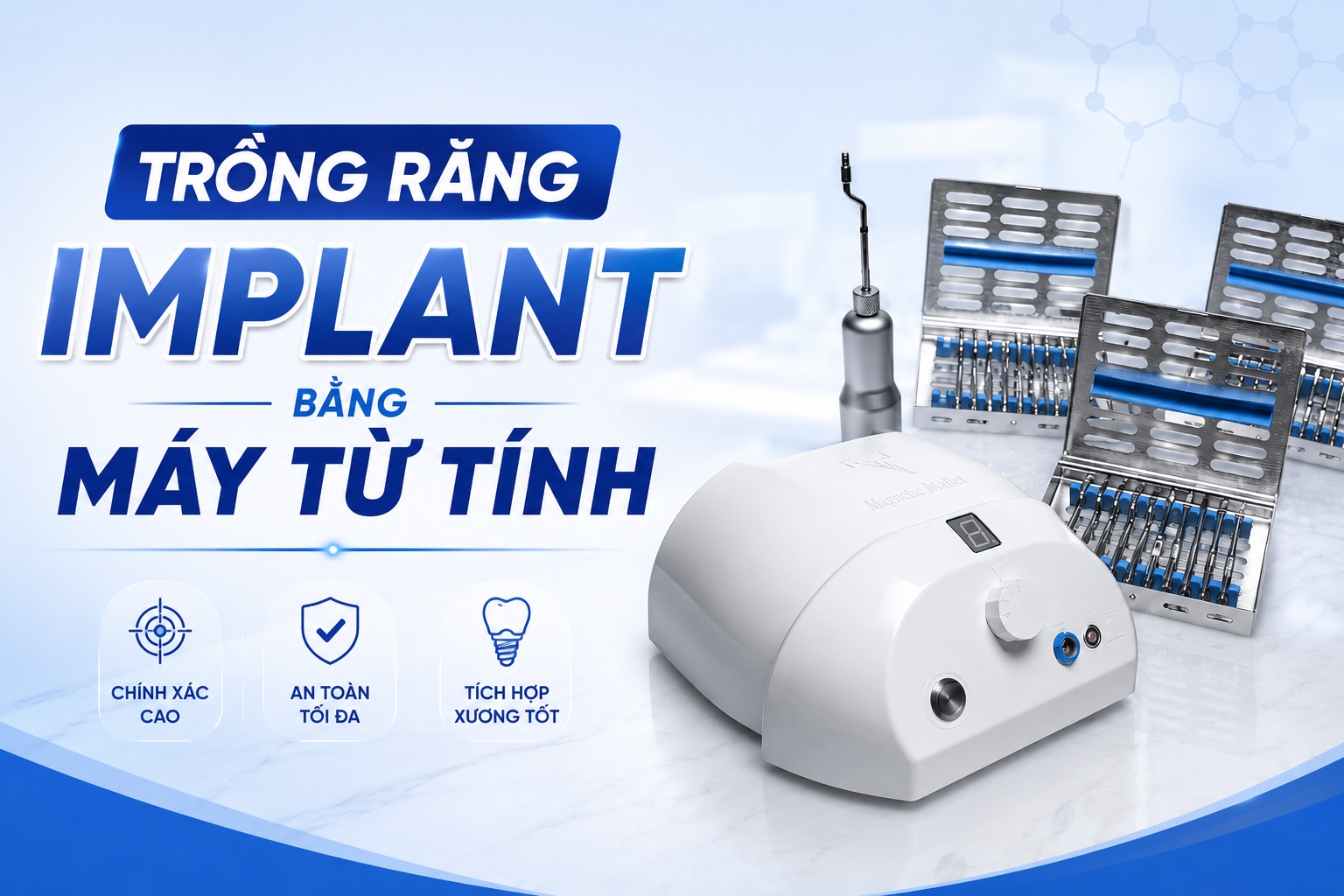
Hydraulic sinus lift is the most advanced sinus lift method today, combining high-frequency ultrasound waves and water pressure. This technique gently and effectively peels off the sinus membrane from the sinus floor, creating space large enough for artificial bone grafting and implant placement in the same appointment. The advantages and disadvantages of this method are:
- Advantages:
- High safety:The use of high-frequency ultrasound waves and water pressure helps minimize the risk of perforating the sinus membrane, ensuring safety for you.
-
- Minimally invasive:This technique does not use traditional mechanical instruments, helping to minimize invasion of surrounding tissues, reducing pain and swelling after surgery.
-
- High efficiency of sinus augmentation.: Hydraulic method brings outstanding sinus lift efficiency, helping to ensure long-term results and high stability for the jaw bone area.
-
- Can combine Implant in one appointment:The combination of hydraulic sinus lift technique and Implant helps reduce the number of surgeries and treatment time for you.
- Disadvantages:
- Requires specialized equipment:This technique requires the use of technological equipment. as high as ultrasound waves and hydraulic systems, so the cost may be higher than traditional methods.
-
- Not suitable for all cases:Hydraulic sinus lift technique is only suitable for cases with sufficient indications and jaw bone conditions. Not all people can apply this method.

Hydraulic sinus lift is the most advanced and least invasive method of sinus lift
Procedure for performing hydraulic sinus lift:
- Step 1: Prepare drill holes for Implant implantation:The doctor creates drill holes at the position where the Implant needs to be implanted on your jawbone.
- Step 2 - Using high-frequency ultrasound waves:Instead of using With mechanical tools, the doctor uses high-frequency ultrasound waves to gently and accurately peel off the sinus membrane from the sinus floor.
- Step 3 - Apply water pressure:After the sinus membrane is peeled off, water pressure is used to lift the sinus floor, creating enough space for artificial bone grafting.
- Step 4 - Implant:The hydraulic sinus lift technique allows the doctor to perform implant placement immediately after sinus lift, all in one appointment.
- Step 5 - Complete the process:After implant placement, the doctor will complete the necessary steps and finish the treatment process.

Hydraulic sinus lift uses water pressure to lift the sinus membrane gently, minimally invasively
6. How long does it take for a sinus lift to be implantable?
The time from sinus lift to implant placement depends on the condition of the jawbone and the technique applied. In some cases, if the jawbone height is at least 5mm and the bone quality is good, the doctor can perform a sinus lift and implant placement in the same appointment.
However, if the jaw bone does not meet the conditions, you need to wait 3 to 6 months after sinus lift for the bone to integrate and stabilize before implantation.

Depending on each case, when lifting the sinus, the doctor can implant the implant at the same time or wait for the implant after healing
7. The cost of bone graft sinus lift in implant placement
The cost of implant sinus lift differs depending on the implementation technique and pricing policy of each dentistry, specifically:
- Closed sinus lift:Ranges from about 4 - 8 million VND for each position.
- Open sinus lift:Cost is often higher, depending on the amount of artificial bone and collagen membrane material used, ranging from 10 - 30 VND million VND.
- Hydraulic sinus lift:This is an advanced technique today, often performed in combination with high-frequency ultrasound waves and immediate implant placement. The average cost is about 12 - 18 million VND, depending on each clinical case and treatment facility.
Note:Some dentists may include the cost of sinus lift in the full implant treatment package, while others calculate each item separately. Therefore, you should specifically refer to reputable dental facilities to receive detailed advice tailored to your personal needs.

You should go to a reputable dental facility and openly and transparently disclose all services and costs to receive accurate advice
8. 5 important notes after sinus lift to ensure the best results
After sinus lift, you need to follow the following care instructions to ensure the recovery process goes smoothly and achieves the best results:
- Avoid impact on the surgical area:Do not use your tongue or hands to touch the surgical area to avoid tearing or inflammation of the mucosa.
- Proper diet:Should consume soft foods, easy to chew like porridge or soup; Avoid foods that are too hot, too cold, hard, chewy or contain a lot of acid so as not to damage the surgical area and reduce the risk of infection.
- Limit strong sneezing:Within 2 - 3 months after surgery, you need to be gentle when sneezing to avoid putting pressure on the newly lifted sinus area.
- Proper oral hygiene:Use a soft-bristled toothbrush to gently brush your teeth, avoiding strong impact on the surgical area. You can use dental floss to clean between your teeth, but you need to be careful.
- Follow your doctor's instructions:Take medication as prescribed and have follow-up appointments on time so that your doctor can monitor your recovery progress and promptly handle any problems that arise.
You should follow your doctor's instructions to ensure the best treatment results
Thus, the article has affirmed the essential role of dentistry.Sinus lift in implant placementfor cases of bone deficiency in the upper jaw. You should clearly understand the characteristics of each method to be more proactive in choosing the appropriate method, thereby improving the effectiveness of restoring chewing function as well as oral aesthetics.
To receive accurate advice on the condition of the jaw bone, the appropriatesinus lift in implantplan, the maxillary sinus lift technique in dental implants, you can go directly to the facilities of Lac Viet Intech Dental or contact us. Contact by the following methods:
- Website: https://lacvietdental.vn/
- Fanpage: https://www.facebook.com/lacvietdental.vn
- Hotline: 0866.38.0033
- City address. HCM: No. 90 - 92 Ngo Gia Tu, Ward 9, District 10, City. HCM
- Hanoi address:
- No. 91 Hue Street, Hai Ba Trung, Hanoi
- No. 168 Lang Street, Dong Da District, Hanoi
- No. 426 Minh Khai, Hai Ba Trung District, Hanoi
- No. 27 Nguyen Van Huyen, Cau Giay District, Hanoi
- Nghe An address: No. 24 Cao Thang, Hong Son Ward, Vinh City, Nghe An
- Hai Phong Address: 107 To Hieu, Le Chan, Hai Phong City
| Lưu ý : Mọi thông tin trên website Nha khoa Lạc Việt Intech chỉ mang tính tham khảo, không thay thế chẩn đoán hoặc điều trị y tế chuyên nghiệp. Kết quả điều trị thực tế phụ thuộc vào từng cá nhân và cần sự thăm khám trực tiếp của bác sĩ. Chúng tôi khuyến nghị bạn luôn tham khảo ý kiến chuyên gia cho mọi vấn đề sức khỏe. |