5 Signs of tooth bone loss that are easy to recognize but are overlooked
BTV
21/10/2026
Dental bone loss is a common dental problem, significantly affecting the aesthetics and chewing function of the mouth. If not detected and treated promptly, this condition can lead to many serious complications. So how to recognize early signs of tooth bone loss? Let's read the article below to better understand this condition and recognize it early.
Dental bone not only plays an important role in protecting teeth but is also responsible for receiving and distributing chewing force, and reducing shock when eating hard objects. Dental bone resorption is a process of bone degeneration at the tooth root, manifested by a decrease in mineralization density in terms of bone size such as: height, density, bone volume.
Bone resorption due to long-term tooth loss
Bone resorption is not only limited to the original location but also tends to spread to neighboring bone areas, causing serious damage to the maxillofacial structure. When tooth bone is destroyed, teeth will become loose, easily lost and seriously affect the patient's chewing ability as well as facial aesthetics.
Why does tooth bone loss occur?
Tooth bone loss is a common condition caused by many reasons. Below are some common causes that answer the question of why tooth bone loss occurs:
Tooth loss
Tooth loss is one of the common causes of tooth bone loss. When we eat and drink, chewing force acts on our teeth and is transmitted to the jawbone. This force stimulates the formation of new bone, helping the jawbone stay healthy and strong.
When teeth are lost, chewing force will no longer be distributed evenly but is concentrated on the remaining teeth or areas without teeth, putting pressure on the bone and causing bone loss.
Dental diseases
Oral diseases, especially periodontitis, are one of the main causes of alveolar bone loss.
Periodontitis: Bacteria that cause periodontitis multiply and accumulate in between teeth and under the gums, forming plaque and tartar. They secrete toxins that cause inflammation, destroying soft tissues around the teeth such as gums, periodontal ligament and eventually alveolar bone. If periodontitis is not treated promptly, it will progress to chronic periodontitis, causing severe alveolar bone loss.
Periodontitis is one of the leading causes of bone loss
Apical periapitis: Infection at the tooth root tip can also spread and cause alveolar bone loss.
Periodontal abscess: A periodontal abscess is a serious infection in the gums, which can cause rapid alveolar bone loss.
Tooth decay, pulpitis: If not treated promptly, these diseases can cause abscesses and widespread inflammation, gradually. leading to tooth bone loss.
In addition to the causes mentioned above, there are many other factors that can cause alveolar bone loss, from internal factors such as genetics and diseases, to external factors such as medications and lifestyle habits.
Signs of tooth bone loss
Although there are many causes of jaw bone loss, they all cause similar signs of bone loss. Here are the main characteristics that you can recognize to be alert to this condition early:
One or more teeth are lost, and the bone in the tooth loss area is narrowed in size or height
You lost a tooth but can't afford to replace it with a new one. When you look through the mirror, you see that the bone in the tooth loss area (still covered by gum tissue) is narrowed in height or inside and out. If the bone is severely resorbed, you will see a raised bone ridge in the middle of the jaw, the inner and outer sides are lower. That is a warning sign that you need to see a dentist right away because your bone may have degraded to an alarming level.
Gum recession and exposed tooth roots are signs of tooth bone loss that can be easily recognized
From top to bottom, you see the bone area where the tooth has been lost lower down, forming a deep depression compared to the adjacent jaw bone area.
Lowered jawbone
This sign can only be seen on X-rays. The doctor will be the one to evaluate the impact of tooth loss in the maxillary sinus area (usually small molars and large molars) on the position of the sinus. When the maxillary sinus is lowered, it means that the adjacent tooth bone has been destroyed. The longer the time, the larger the sinus volume. This may lead to indications for a sinus lift procedure when restoring dentures later.
Gingival recession
If bone loss is not due to tooth loss, the most common sign is gum recession. Because there is no alveolar bone to support the tooth, the gums gradually recede, exposing the tooth root and causing pain to the tooth with bone loss.
Loose teeth
Too severe alveolar bone loss will cause loose teeth because the remaining bone tissue is not enough to support the tooth. Teeth will gradually loosen and tooth loss is the inevitable result.
Change facial aesthetics
If many teeth are lost and too much bone is lost, the patient's face will gradually change. Bone loss causes the support of the facial muscles to no longer be good, and the cheeks become sunken in, making you clearly feel the signs of aging. The face can be misaligned, parts of the face become asymmetrical and disharmonious.
How to fix tooth bone loss?
Tooth bone loss is a serious problem, affecting both aesthetics and chewing function. However, with the development of modern dentistry, it has become much easier to repair bone loss . Below are some common methods of treating tooth bone loss:
Eliminate the causes of early tooth loss
You need good oral hygiene to eliminate all risks of early tooth loss such as tooth decay, pulpitis, apical inflammation, periodontitis, etc. Limit the risk of tooth trauma leading to the possibility of early tooth loss.
Implant
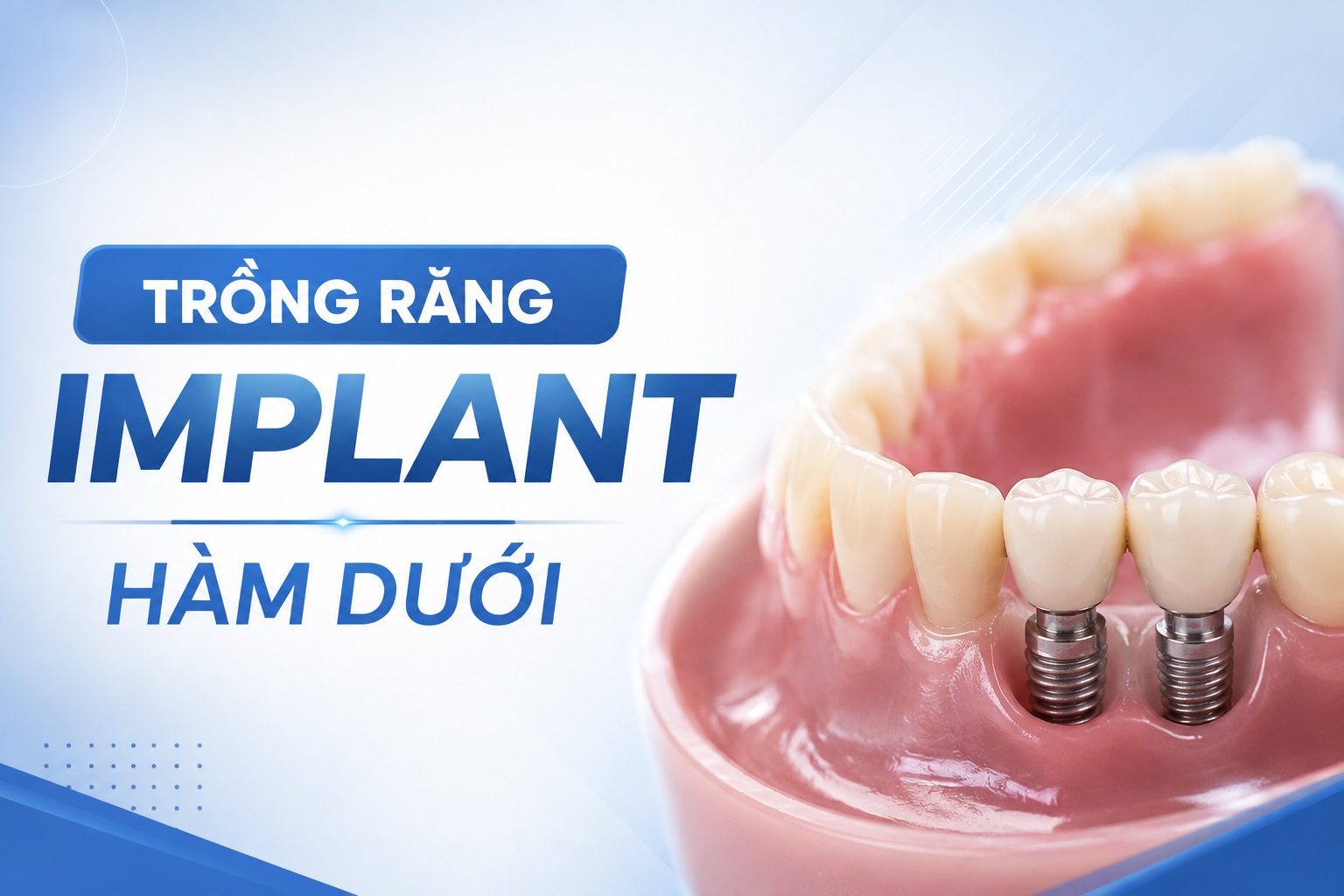
Implant is one of the effective treatment methods best to overcome tooth bone loss and restore lost teeth thanks to the following roles:
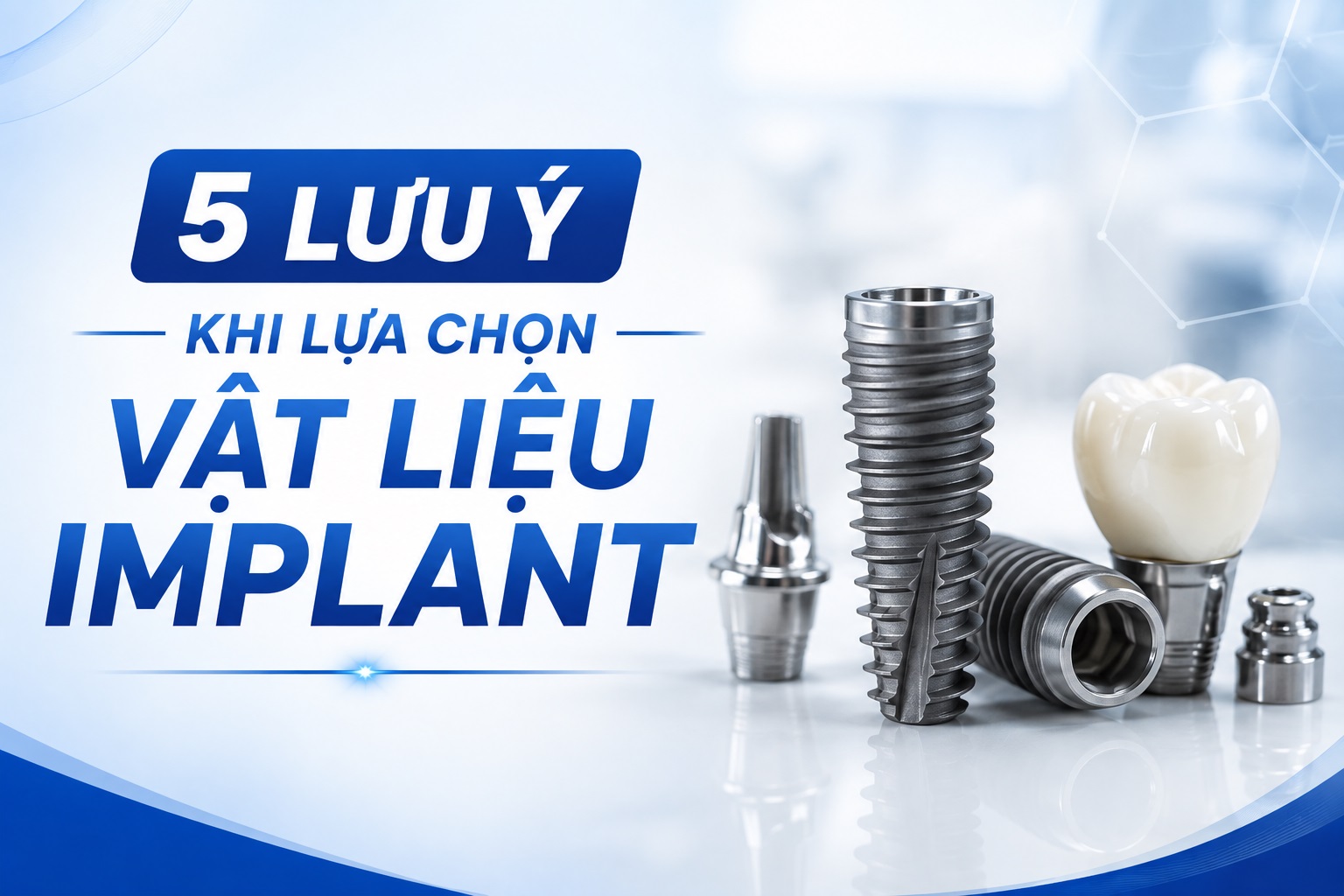
Tooth root replacement: Implant posts are made from titanium, a highly biocompatible material, implanted into the jaw bone to replace lost tooth roots.
Stimulate bone regeneration: When the Implant is placed in the jaw bone, it will stimulate bone cells to grow and surround the Implant post, forming a solid bond between the Implant and the jaw bone.
Prevent bone loss: Having a fixed implant in the jaw bone will help distribute chewing force evenly on the bone, stimulate bone regeneration and prevent further bone loss.
Once you have consulted the implant insertion simulation you will understand the effects of this method. From there, you can make the most appropriate dental decision.
Dental implants both help restore teeth and prevent bone loss
Advantages of Implants in overcoming tooth bone loss
Restore chewing function: Implants help you chew comfortably like real teeth, no longer feeling sensitive or uncomfortable.
Improve aesthetics: Implants have the same color and shape as real teeth, helping you be more confident when communicating. continued.
Prevent bone loss: Implants help maintain jaw bone mass, preventing continued bone loss.
High durability: With modern dental implant technology, Implants have a very long lifespan, can be used for a lifetime if properly cared for.
Does not affect neighboring teeth: dental implantsno need to grind neighboring teeth like when making a bridge.
Implants jawbone
Bone implant is an effective solution to overcome tooth bone loss, especially in cases of long-term tooth loss or excessive bone loss. Types of bone implant materials:
Autologous bone: Taken from other areas of the body such as the lower jaw, pelvis...
Artificial bone: Made from biological materials compatible with the body.
Syngeneic bone: Taken from bone donor bone.
Bone transplant mechanism:
Bone supplement: When the jaw bone is destroyed, bone transplant will help replenish the lost bone, creating a solid foundation for the next treatment steps.
Stimulate bone regeneration: Bone implant materials often have the ability to stimulate autologous bone cells to grow and regenerate, helping new bone form and bond closely with bone. old.
Creating conditions for implant placement: After bone transplantation, when the new bone has stabilized, the doctor will implant the implant into the position where bone has been added. The implant will integrate tightly with the new bone, forming a solid foundation for dentures.
Advantages of bone implants:
Restore bone volume: Bone implants help restore lost bone volume, facilitating implant placement.
Prevent continued bone loss: Having a fixed implant in the jaw bone will help distribute chewing force evenly on the bone, stimulate bone regeneration and prevent continued bone loss. ra.
Increase the likelihood of success of Implant: When there is enough bone, the success rate of Implant will be much higher.
Restore chewing function and aesthetics: After implant, you can eat, chew comfortably and smile and speak confidently.
Sinus lift with bone graft
Bone graft sinus lift is a complex dental technique, often applied to cases where teeth have been lost in the upper jaw for a long time, leading to bone loss and a sunken sinus cavity. This method helps restore lost bone mass, creating favorable conditions for implant placement. If you still have questions about Is implant placement painful you can ask your doctor to answer!
Steps for sinus lift and bone grafting for implant placement
Mechanism of action of bone graft sinus lift:
Create space: When teeth are lost in the upper jaw, the jawbone will gradually disappear and the sinus cavity will sink. Sinus lift aims to create more space between the jawbone and the bottom of the sinus, creating conditions for placing bone graft material.
Bone graft: Bone graft material (can be autologous bone, artificial bone or bone from another donor) will be placed into the newly created space, helping to increase the height and thickness of the jawbone.
Stimulate bone regeneration: Bone graft material will stimulate autologous bone cells to grow and regenerate, forming a new, strong bone mass. firm.
Implant: After the new bone is stable, the doctor will implant the implant into the position where the sinus has been lifted.
Advantages of bone graft sinus lift
Fix bone loss: This method helps overcome bone loss in the upper jaw, creating conditions for implant placement.
Increases the likelihood of success of the Implant: When there is enough bone, the success rate of the Implant will be much higher many.
What cases require bone graft sinus lift?
Having lost teeth in the upper jaw for a long time, the jaw bone has been lost a lot.
The maxillary sinus cavity is sunken.
There is not enough bone to place the implant.
To protect healthy teeth, preventing tooth bone loss is extremely important. Maintain proper oral hygiene habits, have regular dental checkups and have a healthy diet. If you see any unusual signs in your dental condition, readers should choose a reputable dentist and visit them early to promptly detect and treat dental diseases, avoiding unwanted complications caused by this condition.
Customers treated for tooth bone loss at Lac Viet Intech Dental Clinic
Lac Viet Intech Dental Clinic is areputable dental clinic focusing on the strength of dental implants, the dentist has successfully received and treated it. for thousands of cases of bone loss due to many different causes. A typical case is a young female customer born in 1995.
Initial condition when coming to Lac Viet Intech Dental Clinic:
Loss of 2 lower molars number 35 and 45;
The jawbone at the 2 tooth loss sites is severely flattened.
There is not enough bone volume to perform an implant.
With the naked eye, we can easily see that the customer's jawbone is very flat due to long-term tooth loss. The jawbone at the tooth loss site is flattened compared to the jawbone of the adjacent teeth.
Customers with bone loss due to tooth loss receive bone grafting and dental implants
With this condition, doctors at Lac Viet Intech have come up with a treatment plan with bone grafting and dental implants with DCT solution. The specific plan is as follows:
Synthetic bone graft to increase bone volume, ensuring stability for the implant;
Implant using Guideline surgical guide;
Place a personalized healing pillar;
Ceramic tooth restoration on implants with personalized restorations and 3D Pro Multilayer porcelain teeth.
The special thing is that the process of bone grafting and implant placement will be performed in the same surgery. This helps minimize invasiveness for customers, while saving time, money and healing wounds faster.
After bone grafting and dental implants with DCT solution, the customer has 2 dental implants with the same color and shape as real teeth, performing well in aesthetic and chewing functions. In addition, using personalized restorations will also help the gums of dental implants have the ideal bulge, while also preventing food retention. This is an extremely important criterion but is often overlooked, because if the gum line is not reconstructed according to the correct anatomy, there is a risk of gum recession and exposure of the implant neck. In addition, customers who are wondering whether can implants be braced should ask a dentist for more detailed advice!
Dental bone loss is a condition that can occur for many different reasons, not only affecting the jaw-facial structure but also affecting the patient's oral health. Therefore, we should detect signs of tooth bone loss early so that we can detect and treat them promptly.