Language
Language

Professional Consulting
D. Nguyễn Quang Linh
Dentist
If you want to learn more about the pros and cons of porcelain crowns, you can watch the doctor's shared video here:
Porcelain crownsis a technique that uses porcelain crowns placed on real tooth crowns that have been ground down. This method helps restore the shape, color and chewing function of teeth. There are many types of porcelain teeth such as metal porcelain teeth, all-ceramic porcelain teeth, titanium porcelain teeth... and each type will have different advantages and disadvantages of porcelain crowns.
This method is often prescribed in the following cases:

Porcelain dental crowns help overcome dental defects and protect real teeth
Modern porcelain teeth today are no longer completely crafted by hand like before but are supported byCAD/CAM technology(design and manufacture of porcelain teeth by computer). With this technology, the doctor will use an intra-oral scanner to take 3D tooth impressions accurately down to the micrometer and create porcelain crowns from monolithic porcelain embryos with almost absolute accuracy.
According to statistics from international dental research, porcelain teeth made with CAD/CAM technology have a close fit to the tooth base of up to 97–99%, minimizing the gap between porcelain teeth and real teeth - the main cause of gingivitis, food retention or bad breath. In addition, the color and shape of teeth are also designed based on a library of biological data, helping porcelain teeth to be 95% translucent and natural, similar to real teeth, difficult to distinguish with the naked eye.

Porcelain teeth are popular because of their marked aesthetic improvement
Different from tooth filling orveneermethods - which only affect the outer surface of the tooth - porcelain crowns are a shooting technique. The porcelain crown covers the entire crown of the real tooth that has been ground. Thanks to that, the teeth are firmly reinforced from the inside out, increasing the force-bearing capacity up to 800–1,200 MPa (4–5 times higher than real teeth). This helps users chew comfortably with even hard foods without worrying about weak, chipped or broken teeth like with regular fillings.

Ceramic dental crowns restore chewing function better than other methods
After being ground, real teeth will be completely covered by the outer ceramic crown, helping to prevent bacteria, plaque and mechanical effects such as strong chewing force. This protective layer is especially important for teeth that have had root canal treatment or are severely decayed, which are already weaker and more vulnerable than usual.
If properly restored and cared for, all-ceramic teeth can maintain durability for 10–15 years. Especially, with high-end porcelain lines such asEmaxorLava, lifespan can last up to 20 years or more while still ensuring aesthetics and chewing function.
Unlike real teeth, which have a light porous enamel structure and are easily stained by dark foods and drinks such as coffee, tea, wine or cigarettes, porcelain teeth have a surface that is fired at high temperatures, making it very smooth, shiny and less stain-resistant. The porcelain enamel layer is waterproof and does not absorb colorants, helping teeth maintain a stable whiteness over time. This outstanding stain resistance is one of themOutstanding advantages of porcelain crowns, especially favored by people who are often exposed to agents that cause tooth discoloration.
Besides many advantages, porcelain crowns still existsome limitations. Understanding the disadvantages of porcelain crowns helps you prepare mentally and choose the right option.
To be able to place a porcelain crown on a tooth, the doctor must grind a portion of the real tooth tissue - usually from 0.6mm to 1.5mm depending on the type of porcelain tooth and the patient's tooth condition. This is a mandatory step in the porcelain crown process, to create enough space for the porcelain crown to fit tightly and not cause discomfort. However, tooth grinding means that the real tooth has lost part of its structure permanently and cannot be restored to its original state.
If this procedure is performed by an inexperienced doctor or does not use the correct supporting technology, it can lead to many complications such as: grinding too deeply, exposing the dentin, causing prolonged sensitivity, and even affecting the tooth pulp. According to statistics from the International Association of Aesthetic Dentistry (AACD), about 12–15% of patients with porcelain crowns experience sensitivity or pulpitis due to improper tooth grinding techniques. In addition, excessive grinding also makes real teeth weak and easily broken later if not properly protected.

Porcelain crowns require grinding real teeth quite small. If the doctor is inexperienced, it will lead to many complications
After porcelain crowns, the interface area between the porcelain crown and the gums - also known as the gum line - becomes a place where food, plaque and bacteria can easily accumulate if not cleaned thoroughly. Over time, this area can become irritated, red, swollen, and even lead to gingivitis or periodontitis.
Some dental studies have recorded that about18–22% of people with porcelain crowns experience mild to moderate gingivitisafter 6–12 months, mainly due to poor oral hygiene habits.
This is a commondisadvantage of porcelain crowns, often encountered in people who are subjective or do not receive careful instructions from the doctor after restoration.
Compared to methods such as fillings, veneers or whitening, porcelain crowns have a significantly higher cost due to the requirement of precise techniques, modern technology and high-quality materials. The price of porcelain crowns ranges from1 million to more than 10 million VND/tooth, depending on the type of porcelain (metal, titanium, all-ceramic or high-quality porcelain such as Emax, Lava). As well as the reputation and skill of the dentist performing it.
For those who need to cover many teeth to improve their entire jaw, the total cost can be up to tens of millions of VND - this is a factor that makes many people hesitant when considering choosing this method.

Porcelain crowns are quite expensive compared to other methods
If the restoration technique is not standard or uses poor quality porcelain teeth, the person with porcelain crowns may encountermany complications Symptoms:
Decidingwhether to get porcelain crowns or notshould be based onaesthetic needs,chewing functionandcurrent dental condition.Not everyone is suitable to perform this method, because each case will affect it differentlyAdvantages and disadvantages of porcelain crowns.
If you are in the group that needs to be considered, proactively visit a reputable dental clinic to get x-rays, specific assessments, and personalized advice from the doctor. UnderstandingAdvantages and disadvantages of porcelain crownswill help you make the correct decisions and avoid unnecessary risks.
To maximizeAdvantages of porcelain crownsTo limit unwanted risks, you need to pay attention to the following important points:
Comply with the above instructions will help you prolong the life of your porcelain teeth, keep your teeth healthy and beautiful, and avoid unwanted complications after capping.
Choosing a reputable dentist is a key factor to ensure the success of porcelain capping and avoid theconsequences of capping. Porcelain teethare not desired.
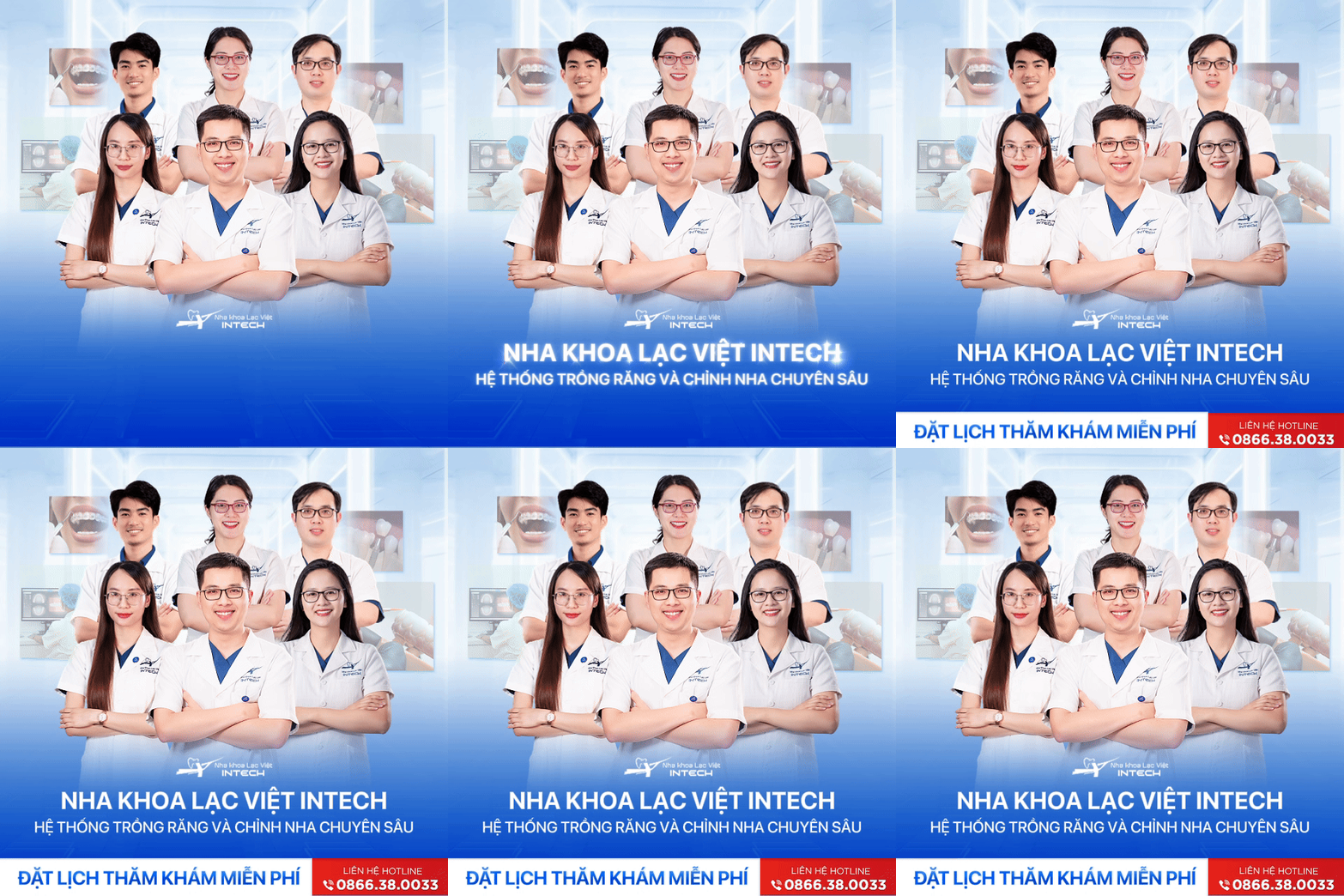
One of the dental systems highly appreciated by many experts and customers for its treatment quality and professionalism isLac Viet Intech Dental.
With the motto"Leading the quality of treatment", Lac Viet Intech has been building solid trust by focusing on three main pillars: a team of highly specialized doctors, a modern equipment system, and a medical-standard treatment process.

Lac Viet Intech Dental Clinic is trusted and chosen by many people for cosmetic porcelain crowns
For detailed examination and advice on her oral condition Brothers and sisters, who also handle issues related to porcelain crowns, make an appointment with the team of experienced experts at Lac Viet Intech Dental today!
News on the same topic
Related questions
Featured news

Sign up for consultation
Partner of Lac Viet Intech Dental Clinic