Language
Language

Professional Consulting
D. Nguyễn Gia Bảo
Dentist
If you want to better understand the signs of pulpitis and how to treat it properly, you can watch a video sharing detailed knowledge from the doctor here:
Pulpitis is an inflammation that occurs in the dental pulp tissue, a soft structure deep inside the tooth that contains important nerves, blood vessels and connective tissue.
This disease can progress silently through many stages, from mild, easily overlooked initial signs to severe symptoms that seriously affect quality of life.
Early recognition of signs of pulpitis plays a key role in timely treatment intervention, protecting real teeth and preventing dangerous complications.

Pulpitis
In the early stages, pulpitis often presents unclearly, causing many people to subjectively ignore it. However, this is the golden time for the most effective treatment intervention. Early signs may include:
You may feel mild, dull or occasional throbbing pain in a particular tooth. This pain can appear spontaneously or after mild impact.
When you eat or drink something that is too hot or too cold, your teeth may feel uncomfortable, and this feeling can last from a few seconds to 15-30 minutes after stimulation.
Some patients describe their teeth as feeling tight, heavy, or have a persistent dull discomfort, especially at night or when lying down.
In the very early stages, teeth with pulpitis may have slight color changes, such as being slightly yellow or more milky than neighboring teeth. However, this change is often difficult to detect with the naked eye.

Teeth have a slight color change when suffering from mild pulpitis
When pulpitis progresses to the late stage, symptoms often become clearer and more serious, causing a lot of pain and affecting daily activities:
The pain becomes severe more, lasts continuously and can appear spontaneously without any impact. Pain can spread to neighboring areas such as the ear, temple, or lower jaw, causing the patient extreme discomfort and insomnia.
When the infection spreads beyond the tooth pulp and affects surrounding tissues, swelling, redness, and pain may appear in the gum area around the root of the diseased tooth. In some cases, pus (abscess) can form, causing severe pain and a feeling of oozing fluid.
Ncrosis of the dental pulp and bacterial growth in an infected environment can cause an unpleasant odor in the mouth, which does not improve despite thorough oral hygiene.
Teeth with long-term pulpitis often have more obvious color changes, changing from yellowish to gray-green, green-brown or even black. Especially in front teeth, this color change seriously affects aesthetics.

Teeth change color clearly when suffering from severe pulpitis
Subjectively ignoring or delaying treatment of pulpitis can lead to serious and difficult to overcome consequences, affecting not only oral health but also overall health:
When the tooth pulp is severely infected and untreated, the inflammatory process can spread to the tip of the tooth, causing periapical inflammation. This long-term condition can destroy the jawbone structure around the teeth, causing loose teeth and eventually leading to permanent tooth loss.
Prolonged inflammatory process in the tooth apex can lead to alveolar bone loss, reducing jaw bone density and volume.
Chronic oral infections, such as untreated pulpitis, can cause negative effects on whole body health, increasing the risk of cardiovascular diseases, diabetes and other diseases.
When you are diagnosed with pulpitis, timely and correct treatment is a decisive factor in preserving your natural teeth and preventing dangerous complications.
Root canal treatmentis a complex procedure to remove inflamed or necrotic tooth pulp, clean and shape the root canal system, then fill the root canal with specialized materials.
The main goal of root canal treatment is to completely eliminate the source of infection inside the tooth, prevent the recurrence of infection and help the tooth continue to exist and perform normal chewing functions.

Treatment of pulpitis
In some cases, pulpitis is too severe, cannot be recovered or causes serious complications such as large abscesses, large bone loss, or large broken teeth. can regenerate, the doctor may prescribe a tooth extraction to completely remove the infection and prevent its spread.
Methods to restore teeth after extraction:
Tooth loss due to untreated pulpitis can affect chewing function, aesthetics and confidence. Therefore, doctors often recommend methods to restore lost teeth, including:

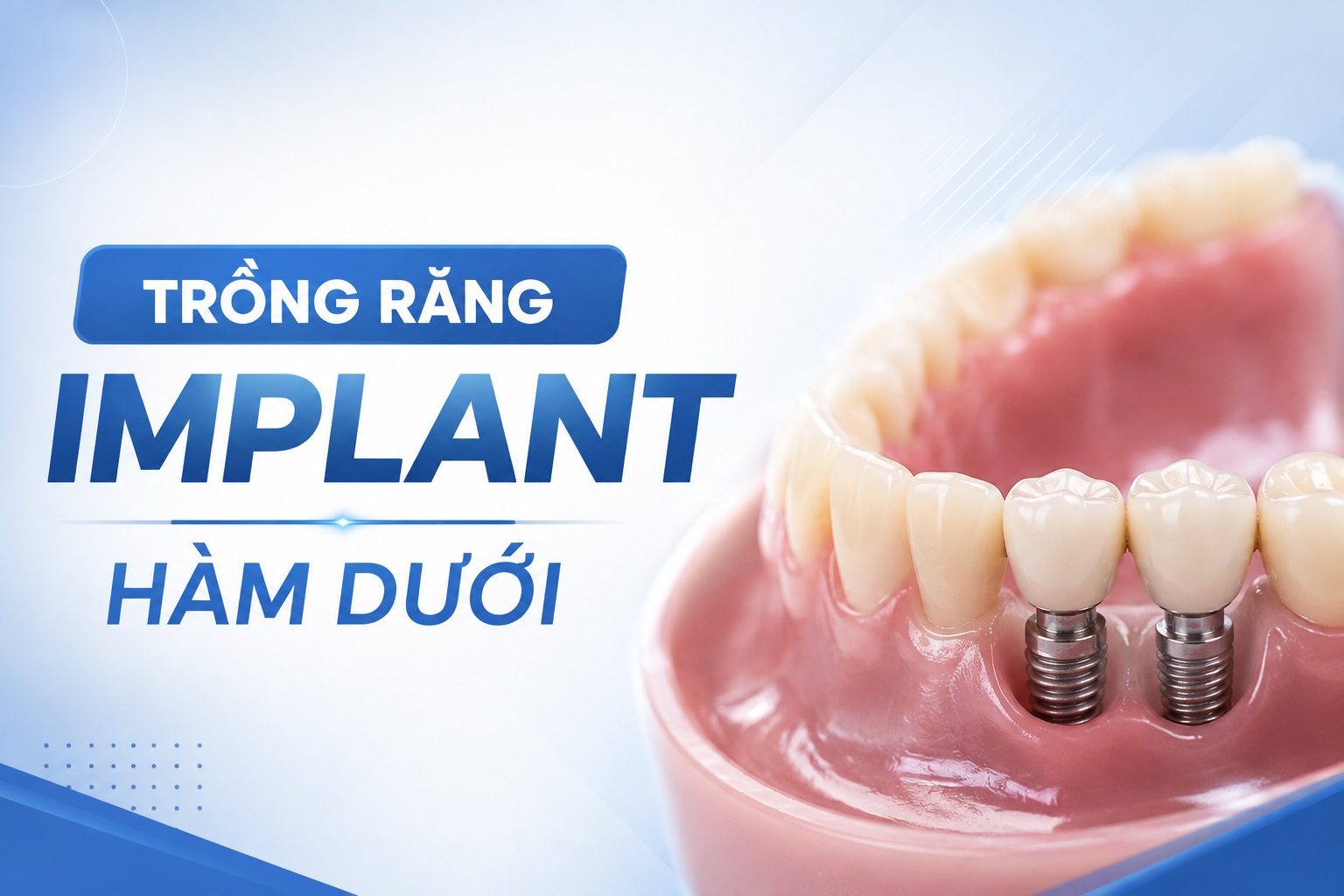
Remove teeth with pulpitis and use dental implants as replacement
During the acute period of pulpitis, you can use some home remedies to help temporarily relieve pain before coming to see a doctor. dentist:
These supportive treatments are only temporary and do not address the cause of pulpitis. Thorough dental treatment is necessary to preserve natural teeth and prevent serious complications.
Timely treatment of pulpitis is the key to preventing serious complications and preserving natural teeth. When you notice any signs of suspected pulpitis, do not hesitate and immediately go to a reputable dental facility for examination and advice. In addition, implantation is also a service chosen by many people at Lac Viet Intech today.
If you are experiencing prolonged pain, sensitivity when eating or drinking, or suspect signs of pulpitis, do not let the situation prolong. Please contact Lac Viet Intech Dental Clinic immediately for examination, accurate diagnosis and advice on appropriate treatment plans - safe, gentle and timely, avoiding dangerous complications. later.
Nha branch system Lac Viet Intech department:
News on the same topic

Related questions
Featured news

Sign up for consultation
Partner of Lac Viet Intech Dental Clinic