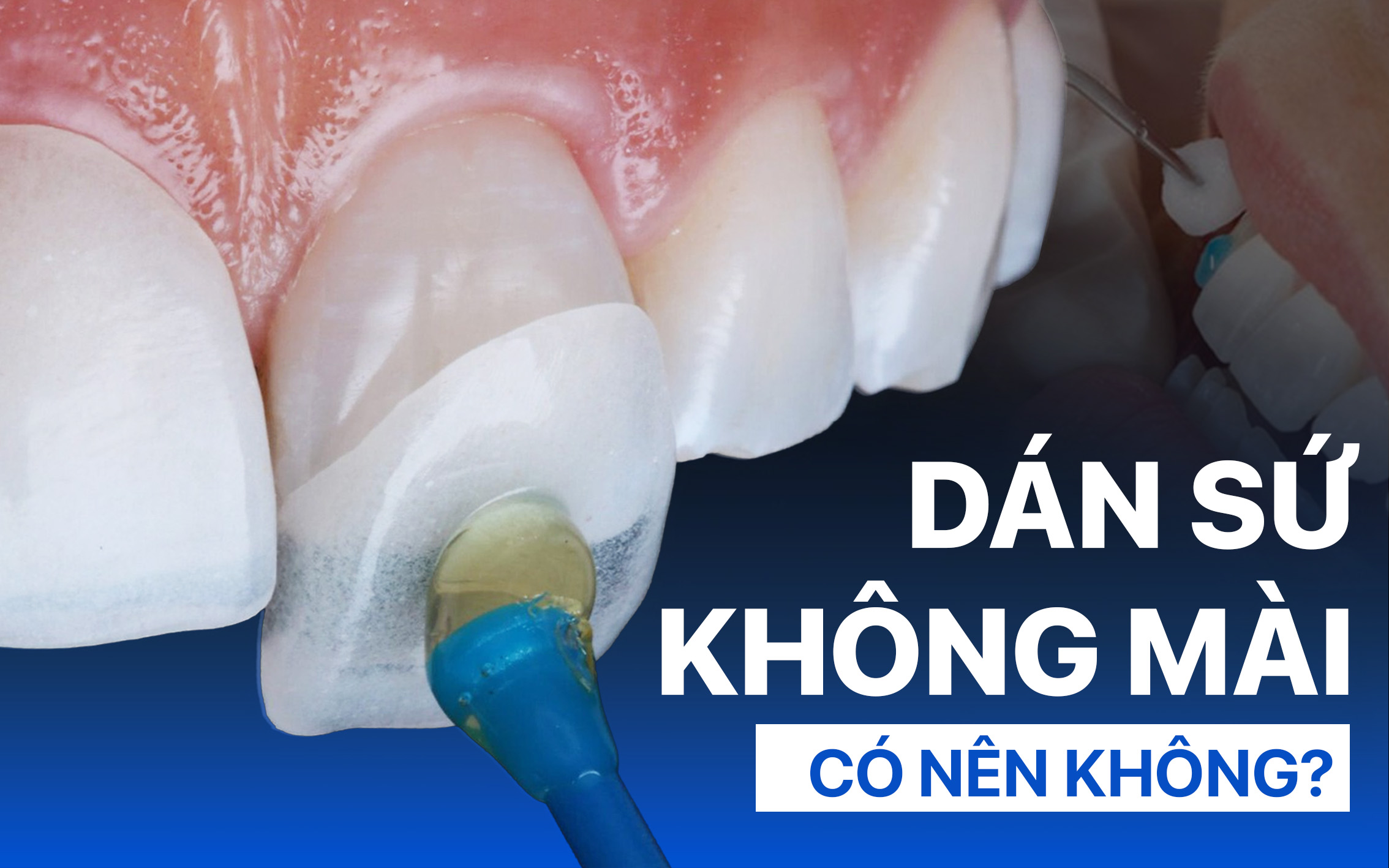
Dental filling is one of the popular and economical tooth restoration methods, helping to overcome tooth decay, chips or sensitivity due to tooth root erosion. With a quick, minimally invasive process and high aesthetics, dental fillings are increasingly chosen by more and more people to protect their oral health. So what is dental filling, when should it be done, and what type of material should you choose to achieve the best results? Let's find out with Lac Viet Intech Dental Clinic through the following article.
If you want to learn more about questions related to dental fillings and dental filling costs, you can refer to the video of the doctor sharing knowledge here:
What is dental filling?
Tooth filling (also known as dental filling) is a common dental procedure that helps restore the structure, function and aesthetics of damaged teeth. Through the use of specialized dental materials, the doctor will fill cavities, cracks, or gaps in the tooth to recreate the original shape and protect real tooth tissue from the effects of bacteria, temperature or chewing force.
Purpose of tooth filling
- Restore tooth shape:Return teeth to standard structure, support bite and chewing function.
- Protect tooth pulp:Prevent bacteria and food from entering The pulp chamber causes inflammation.
- Reduces sensitivity and pain:When tooth enamel is damaged, the dentin layer will be exposed and cause sensitivity. Dental fillings help cover this part of the dentin, thereby improving discomfort.

Dental fillings are a common dental procedure that helps restore the structure, function and aesthetics of damaged teeth
Distinguish between dental fillings and porcelain crowns
- Tooth fillings:Suitable for small to moderate damage. The procedure is simple, inexpensive, and quick to perform.
- Porcelain crowns:Applicable to teeth that are severely damaged or require high aesthetics. The process is more complicated, costs more, and requires tooth grinding.
Which method is chosen depends on the specific condition of the tooth and the doctor's advice.
When is tooth filling needed?
Dental filling is a simple but very effective method to restore damaged teeth. However, many people think that only iftooth decayjust needs welding. In fact, there are many other cases where doctors also prescribe tooth filling to protect the structure and chewing function.
Mild to moderate tooth decay
This is the most common cause. When the decay has not spread to the pulp, dental fillings help remove decayed tissue, seal the cavity, and prevent bacteria from continuing to destroy the tooth and cause pain.
Small chipped tooth
Accidents, biting down on hard objects or collisions can cause teeth to be chipped or cracked. If not restored early, a chipped tooth can easily become a weak spot that can cause tooth decay or tooth decay. Dental fillings help restore shape and prevent teeth from weakening.
Teeth with worn tooth roots
Tooth neck wear often occurs in people who brush their teeth incorrectly or have receding gums. When dentin is exposed, teeth are susceptible to sensitivity. Dental fillings are a way to cover exposed dentin, helping to reduce sensitivity and prevent further damage.
Gaps between teeth, food trapped
When the gap between two teeth is too large, food can easily get stuck after each meal. If not cleaned, over time it will cause tooth decay and gingivitis. Dental fillings can close gaps, improving hygiene and aesthetics.
After root canal treatment
Teeth after root canal surgery become brittle and weak and need to be sealed to prevent bacteria from re-invading. Dental filling is an important step to protect teeth that have undergone root canal treatment, helping to maintain chewing function.
Aesthetic restoration of front teeth
For front teeth that are chipped, slightly spaced, or unevenly shaped, cosmetic dental filling with composite materials is a quick, economical choice that still ensures high aesthetics.
If your teeth show signs of sensitivity, chipping, or frequent food bites, you should go to the dentist for timely examination and appointment for dental filling. Early treatment will help avoid more serious complications later.
Popular types of dental filling materials today
Currently, there are many types of dental filling materials with different characteristics, advantages and disadvantages. Choosing the appropriate material will depend on the tooth location to be treated, aesthetic requirements, budget and intended use.
1. Composite (aesthetic synthetic resin)
- Advantages:Color similar to real teeth, easy to shape, suitable for front teeth and easily visible position. Can be repaired if minor damage.
- Disadvantages:Easy to stain over time, average durability (3–5 years), sensitive to strong chewing force.
2. Amalgam (silver alloy)
- Advantages:High durability, good bearing capacity, low cost. Suitable for molars that are subjected to strong chewing forces.
- Disadvantages:Silver color is less aesthetically pleasing, can cause teeth to gray over time. No longer popular in modern cosmetic dentistry.
3. GIC (Glass Ionomer Cement)
- Advantages:Releases fluoride to help prevent tooth decay, bonds well with tooth tissue, less sensitive to moisture.
- Disadvantages:Less aesthetic, not as durable as composite. Often used for children or as temporary fillings.
4. Porcelain Inlay/Onlay (indirect dental filling)
- Advantages:Durable, beautiful, does not change color over time. High precision, restoration almost like real teeth.
- Disadvantages:High cost, requires 2 appointments, requires high doctor skills.

Choosing the appropriate dental filling material will depend on the tooth position to be treated, aesthetic requirements, budget and purpose of use
Tooth filling process at the dentist
A standard dental filling process at a professional dentist usually includes the following steps:
- Examination and consultation Consultation:The doctor checks the oral condition and takes X-rays if necessary to determine the extent of damage.
- Cleans the tooth area to be treated:Removes plaque and leftover food.
- Anesthesia (if necessary):Applicable to large or sensitive teeth.
- Deep tissue cleaning:Completely removes the decayed tooth tissue, shapes the filling cavity appropriately.
- Places filling material:Depending on the type The doctor will place and shape the material.
- Light treatment (with composite):The polymerization process helps the material harden.
- Check the bite and polish:Ensure there are no scratches and is aesthetically pleasing.
Is tooth filling painful?
This is a question that most patients ask before the procedure. Reality:
- In case of mild damage:Tooth filling is almost painless, sometimes only slightly sensitive if the damage is deep to the dentin.
- Anesthetized when needed:In cases of large or sensitive decay, the doctor will use local anesthesia to completely eliminate pain.
- After filling:Some people may feel slight pain in the first 1–2 days when chewing, but this is a normal phenomenon and will quickly subside. over.
How long does tooth filling take and how long does it last?
Implementation time
- Minor cavities:5–10 minutes/tooth.
- Big worm:15–20 minutes/tooth.
- Cosmetic welding of front teeth:30–45 minutes.
- Porcelain Inlay/Onlay:2 sessions, each session about 30–60 minutes.
Solder pad life
- Composite/GIC:3–5 years (if taken care of well, it can be up to 7 years).
- Amalgam:5–10 years.
- Porcelain Inlay/Onlay:10–15 years.
Factors affecting durability
- Doctor's technique (good sinus hygiene, no air bubbles, tight shaping).
- Quality of materials used.
- How to care after treatment (proper hygiene, avoiding hard objects, regular check-ups).
Pay attention after filling teeth to maintain long-term results
- Do not eat right after dental fillingEspecially if there is anesthetic left or using materials that require time to cure.
- Avoid hard, chewy foodsDamage to hard candy, ice cubes, dried meat – can easily cause fillings to pop or crack.
- Proper oral care dUse a soft toothbrush, brush gently, and use dental floss or a water flosser to clean between teeth.
- Regular check-upsafter the first 1–2 weeks and every 6 months thereafter. If you notice prolonged tooth sensitivity, discoloration, rough fillings or peeling off, you need to see a doctor soon.
- Limit bad habits nGrinding teeth, opening bottle caps with teeth, biting nails, chewing hard objects...
Dental filling is a simple but highly effective solution in protecting and restoring teeth. With modern techniques and advanced materials, today's dental filling process is gentle, quick and aesthetically pleasing.
Customers who want to perform thedental implant method please come to Lac Viet Intech immediately!
If you are experiencing food stuck in your teeth or showing unusual signs, don't hesitate to contact Lac Viet Intech Dental for timely examination, advice and treatment support. time.
System Lac Viet Intech Dental Branch:
- TP. HCM:No. 90 - 92 Ngo Gia Tu, Ward 9, District 10, City. HCM
- Hanoi:
- No. 91 Hue Street, Hai Ba Trung, Hanoi
- No. 168 Lang Street, Dong Da District, Hanoi
- No. 426 Minh Khai, Hai Ba Trung District, Hanoi
- No. 27 Nguyen Van Huyen, Cau Giay District, Hanoi
- Nghe An:No. 24 Cao Thang, Hong Son Ward, Vinh City, Nghe An An
- Hai Phong: 107 To Hieu, Le Chan, Hai Phong City