Language
Language

Professional Consulting
D. Phan Tiến Hoài
Dentist
Jaw bone lossis a phenomenon in which the alveolar bone and the bones surrounding the tooth roots disappear. The most obvious manifestation is the lack of density, volume and height of the jawbone. Bone loss can occur in the upper or lower jaw, greatly affecting the patient's bite and facial structure.
 Condition of jaw bone loss
The jaw bone structure includes the upper and lower jaw bones, belonging to the facial bones. In which:
The common point of the upper and lower jaw bones is that they are both affected by chewing force. Therefore, when teeth are lost for a long time or bacteria invade and attack, the jawbone will disappear. Initially, bone loss may only appear in one location on the jaw. Over time, it will get worse and spread to adjacent bone areas. This causes many serious consequences for oral and body health.
There are 3 main causes of jaw bone loss including: long-term tooth loss, periodontitis and patients who have porcelain bridges or wear dentures for a long time.
Doctor answers: Tooth root bone loss - Causes and how to identify
Long-term tooth loss is the leading cause of serious jaw bone loss. When a tooth is lost, a space is created where the tooth was lost. The chewing process exerts force on the jawbone to help stimulate bone tissue to function, ensuring that jawbone density is maintained stably. However, losing teeth causes a loss of force on the jawbone, thereby causing the jawbone to gradually disappear over time.
 Long-term tooth loss leads to bone loss.
When you lose a tooth, the opposite tooth without support will rise or hang down. The teeth next to the missing tooth will be displaced and gradually fall towards the missing tooth, causing bite disturbance, affecting chewing function and the aesthetics of the teeth.
Periodontitis is also one of the common causes of jaw bone loss. Periodontitis, also known as periodontitis, is a condition that destroys the tissues surrounding the teeth including gums, alveolar bone and periodontal ligament due to acute or chronic inflammation.

Periodontitis causes bacteria to attack and cause jaw bone loss.
Normally, teeth are fixed to the alveolar bone through the periodontal ligament system. Periodontitis destroys the periodontal ligament system and alveolar bone, leading to bone loss, gum recession and tooth roots being exposed to the bone.
In some cases, patients who choose to make porcelain bridges or wear removable dentures to restore missing teeth will still experience jaw bone loss after a period of use.

The porcelain bridge and removable denture methods will cause jaw bone loss over time.
The reason is because these two methods only restore the upper part of the denture crown, and cannot completely replace the lost tooth root. Therefore, bone loss will still occur, and the jaw bone will even disappear faster after a period of chewing.
Below are common types of jaw bone loss due to long-term tooth loss:
Type 1: Horizontal jaw bone loss
In this case, the width of the jaw bone in the tooth loss area will narrow. The surrounding bone will expand and invade the alveolar bone space that has just been resorbed. Neighboring teeth without bone support will gradually tilt toward the missing tooth.
 Horizontal jaw bone loss, jaw bone shrinks
Type 2: Vertical jaw bone loss
When teeth are lost for a long time, the jaw bone under the gum at the tooth loss site will be concave, deeper than the adjacent areas. Over time, the gum area at the tooth loss site also shrinks.
Type 3: Bone loss, lower jaw sinus
In case of missing upper teeth, the bottom of the sinus will lower over time. The distance between the jawbone and the bottom of the sinus is narrowed, there is no longer enough height to place the implant.
Type 4: Bone loss in the entire face
Bone loss of the entire face occurs when the patient loses many teeth in both the upper and lower jaw. At this time, the face will have obvious changes such as sunken cheeks, concave mouth and forward chin... causing premature aging and many wrinkles.

The condition of bone loss in the entire face when losing teeth in the entire jaw
Type 5: The jawbone is lowered when teeth are lost
This condition often occurs in elderly people with lost teeth in the entire jaw, using removable jaws for a long time, causing the jawbone to gradually disappear to the neural tubes deep below. This will make it difficult to restore the jawbone when you want to get an implant.
Depending on each person's constitution, after tooth loss, jaw bone loss will occur quickly or slowly. Normally, after about 3 months of tooth loss, jaw bone density will gradually decline.
By 12 months later, 25% of the jawbone at the tooth loss site will have disappeared. At this time, the facial structure can become unbalanced. People who lose teeth will have sunken cheeks, a misaligned jaw, and have difficulty chewing.
About 3 years later, the jawbone will be destroyed by 45 - 60%, most clearly shown by the deep sunken gums, clearly sunken cheeks and many wrinkles. In people who have lost many teeth or have lost all of their teeth, the chin area will protrude forward, causing loss of aesthetics.
One of the questions that many people are interested in is "Does the tooth root cause jaw bone loss?". Many people think that if there is a tooth root, there will be no bone loss.

As for tooth roots, jaw bone loss will still occur
However, according to experts, when a tooth is lost, only the root remains, and the jawbone at that location can no longer bear the force of chewing. Therefore, bone loss will still occur and if not corrected promptly, the cost of bone grafting will be much more expensive.
Therefore, please note that when you lose a tooth, you need to replant it as soon as possible to avoid jaw bone loss.
Jaw bone loss not only affects aesthetics and chewing function but also affects the processdental implantbecomes much more difficult.
A receding jawbone will not have enough density, volume and height to place a dental implant. Therefore, at this time the doctor will need to prescribe bone grafting, combined with sinus lift (for cases of upper jaw bone loss). Thus, bone grafting and sinus lift will prolong the implant placement time and increase treatment costs.

Bone loss in the upper jaw causes the lower jaw to not have enough space to place an implant
When a patient loses 1 tooth or many teeth for a long period of time, the surrounding teeth will be misaligned, making it difficult to restore implants because there is not enough space to place the implant. At this time, depending on the patient's tooth condition,dental implant doctorOrthodontics may be indicated or removal and replacement implants may be required if the misaligned teeth cannot be retained.
In the case of tooth loss and jaw bone loss, if the doctor does not diagnose correctly and does not perform bone grafting before placing the implant, the bone will not have enough density and volume to hold the implant. Therefore, an implant that is not firmly fixed in the jawbone will quickly be eliminated.

Implants are rejected after implantation when there is not enough bone density
From the above effects, it can be seen that jaw bone loss will make the dental implant process more complicated and the success rate also lower.
With the development of modern technology today, jaw bone loss can completely replace teeth. However, before implanting teeth, the doctor will perform bone grafting to ensure the best integration of the implant post after implantation. In case the patient has lost upper teeth and the sinus bottom is lowered, the doctor will prescribe a bone graft sinus lift to meet the width and height standards for implant placement. If you do not understand clearly What is an implant? Please ask your doctor for advice!

Bone grafting method
With the conventionalimplant bone graftingtechnique, bone grafting material is inserted into the body to fill the gap, then autologous bone cells will slowly invade to replace it. Therefore, the waiting time for bone grafting is very long, usually about 6 months. At the same time, the bone regeneration efficiency is not high because the bone graft material is destroyed before bone cells have time to invade.
At Lac Viet Intech Dental, modern 3D Bone Graft artificial bone grafting technology is applied, bringing many advantages: Minimally invasive, high bone regeneration ability, no pain, no swelling.
3D Bone Graft technique uses 3D RegenOss superconducting copper material that has the ability to induce osteogenesis and induce bone formation. With its superior cell-philic ability, 3D RegenOss, when inserted into the defect area, will immediately attract bone cells and stimulate these cells to grow faster.

3D RegenOss bone graft material
Thanks to its negative pressure capillary ability, 3D RegenOss will attract stem cells in the blood, helping to increase bone regeneration performance. With the ability to immediately agglutinate platelets, 3D RegenOss helps fight swelling, inflammation, and effectively prevent bleeding. Thereby shortening the waiting time for bone integration for patients.
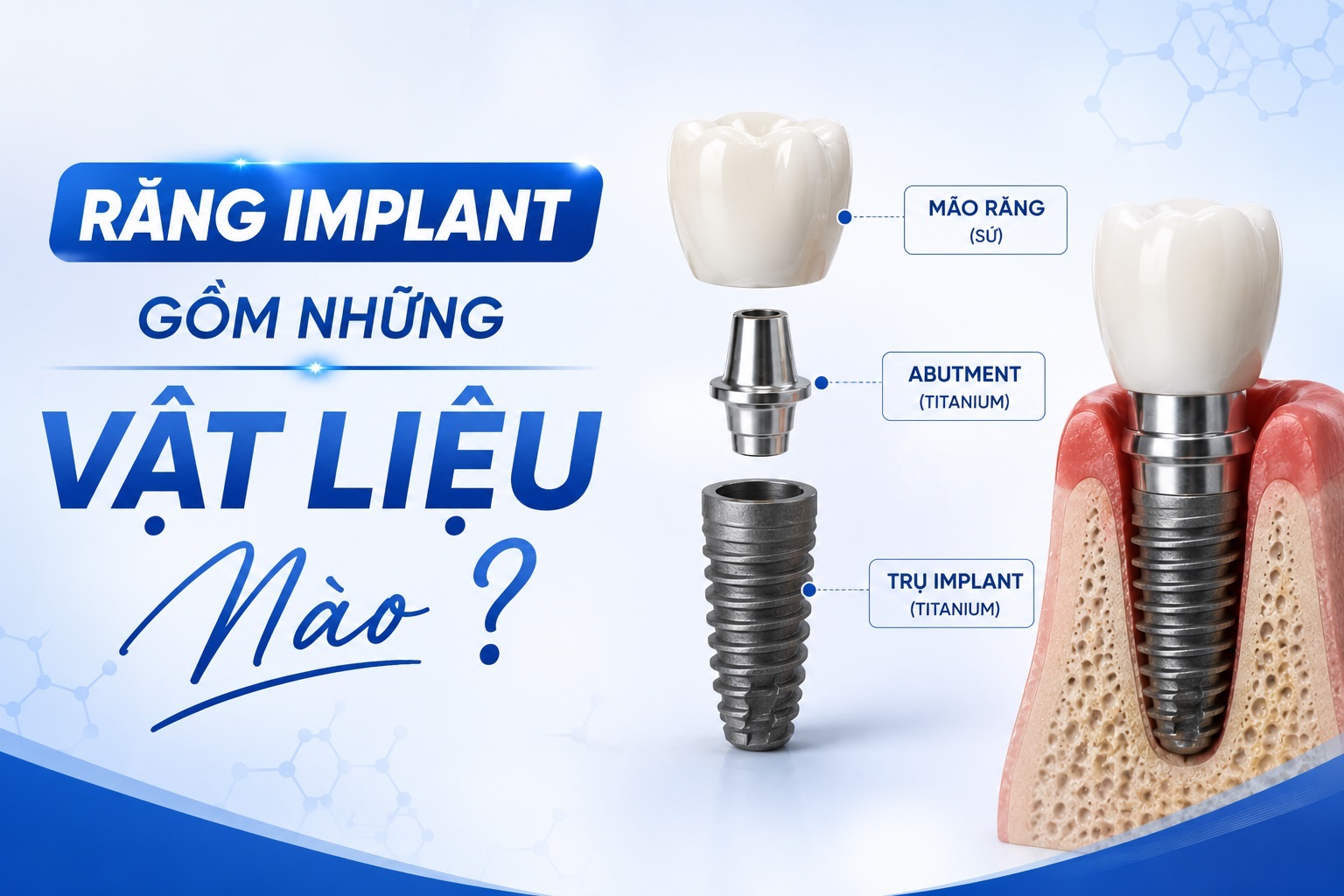
To prevent jaw bone loss, when you lose teeth, you need to see a doctor for examination and advice on timely solutions to restore lost teeth. With jaw bone loss, dental implants can be placed. By choosing the dental implant method, it will help prevent jaw bone loss and restore chewing function, ensuring long-term durability.

Dental implants help prevent bone loss
Besides, you need to pay special attention to daily dental care. Brushing your teeth thoroughly and using a water flosser helps prevent tartar buildup that causes periodontal disease.
In addition, customers need to create a habit of periodically checking their teeth every 3 - 6 months to remove tartar so that dental diseases can be promptly detected and treated thoroughly.
Above is detailed information about “Dental implantsIs jaw bone loss possible??”. If you have any questions about bone loss, please contact Hotline19006421for detailed expert advice!
News on the same topic

Related questions
Featured news

Sign up for consultation
Partner of Lac Viet Intech Dental Clinic