Language
Language

Professional Consulting
D. Nguyễn Gia Bảo
Dentist
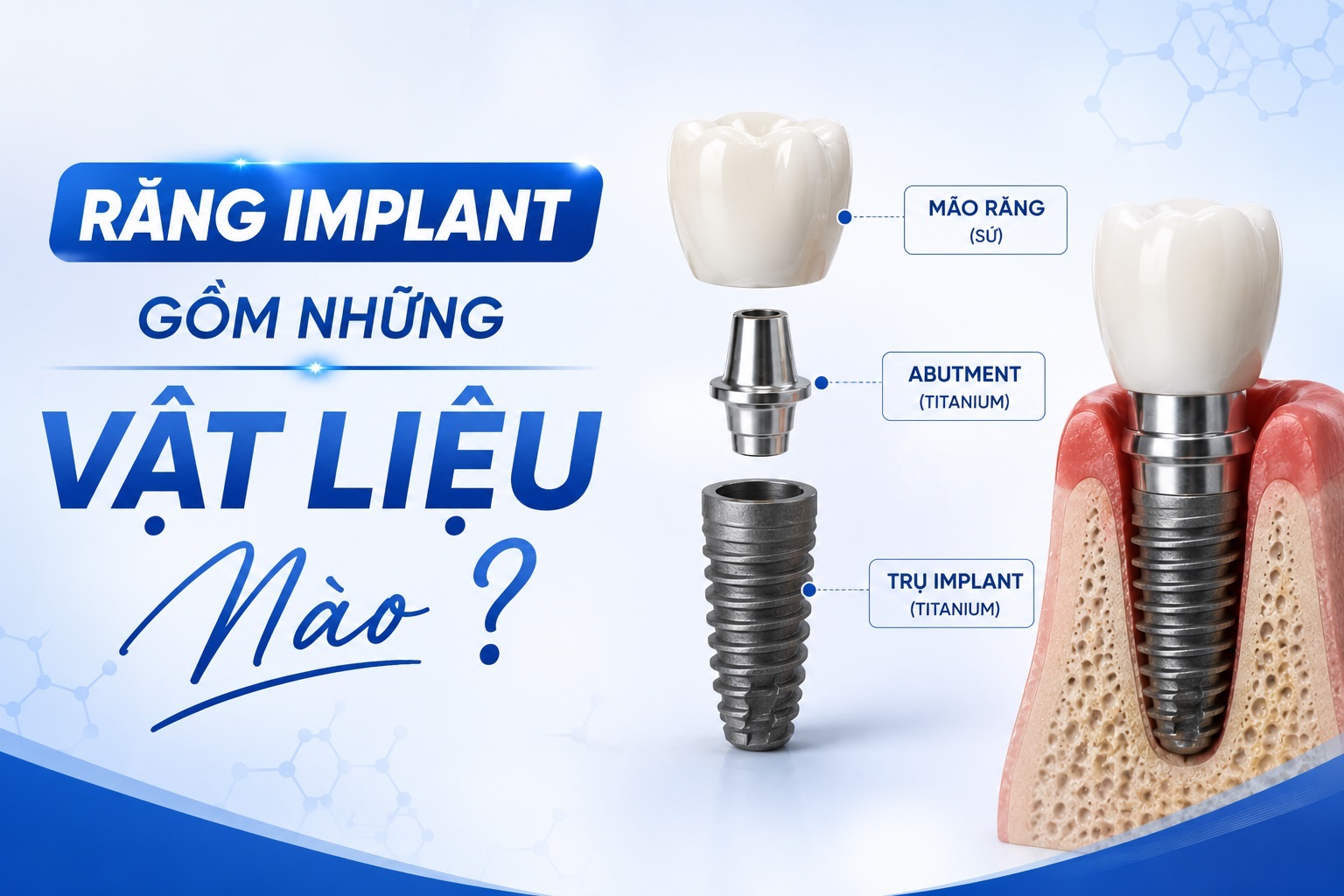
When bone loss occurs, you still remainDental implants can be placed, this is known as a tooth restoration method that can effectively prevent jaw bone loss. However, there are still some effects of bone loss on implant placement as follows:
To be able to plant a solid implant, the jawbone density needs to meet a minimum standard of 8 - 10mm in height or thickness, depending on the implant location. Therefore, doctors need to accurately assess the level of jaw bone loss of each individual to create an appropriate treatment regimen. However, in some cases of mild bone loss, implants can still be performed with supportive solutions, details of which will be mentioned in the content below.

Inserting an implant when there is bone loss requires a reasonable jaw bone density to prevent the pillar from being rejected
To dental implantWhen jaw bone loss occurs, the doctor will examine the bone loss area to determine the extent of jaw bone loss. Then, it will be divided into 2 cases:
To create a solid foundation when implanting teeth and keep the face from misalignment, you can learn more about the procedurebone grafting with implantsto have a safe and effective experience of dental implant placement when bone loss occurs.

Depending on the deterioration of the jawbone, different treatment regimens are proposed to create a solid foundation for dental implants
When placing an implant when suffering from jaw bone loss, you need to pay attention to factors such as choosing a reputable dental facility, choosing modern technology in implantation, and at the same time, need to follow scientific and healthy dental care methods. Specifically:
Before performing a dental implant, the doctor needs to perform a thorough examination to evaluate the condition of the jawbone, including taking X-rays or using CT Cone Beam technology to determine the level of implant bone loss and check the density and height of the jawbone. If the jawbone is still strong enough, the doctor can proceed with direct implant placement.
In cases where the jaw bone is greatly reduced andnot eligible for transplant, the doctor will prescribe bone regeneration procedures such asbone graft or sinus liftto replenish and restore jawbone. After 3 - 6 months when the jaw bone recovers, the doctor will re-evaluate the bone condition and proceed with implant placement.

Using modern technology such as the CT Cone Beam camera to determine bone loss, and then have appropriate treatment.
To ensure the implant placement process when jaw bone loss occurs safely, you need to make a choicePrestigious facility with a team of high quality doctors, equippedModern facilitiesand alwaysTransparency in the examination and treatment process. Thereby, we can provide accurate advice and advice for customers' bone loss, help optimize dental restoration costs and ensure quality for dental implants.

Reputable dental implant facility and experienced doctors help the dental implant process go more smoothly and safely
You need to follow the doctor's instructions on diet and oral care before bone grafting to ensure the most optimal dental implant results, specifically:

You need to limit the use of stimulants as well as have a reasonable oral care regimen before surgery
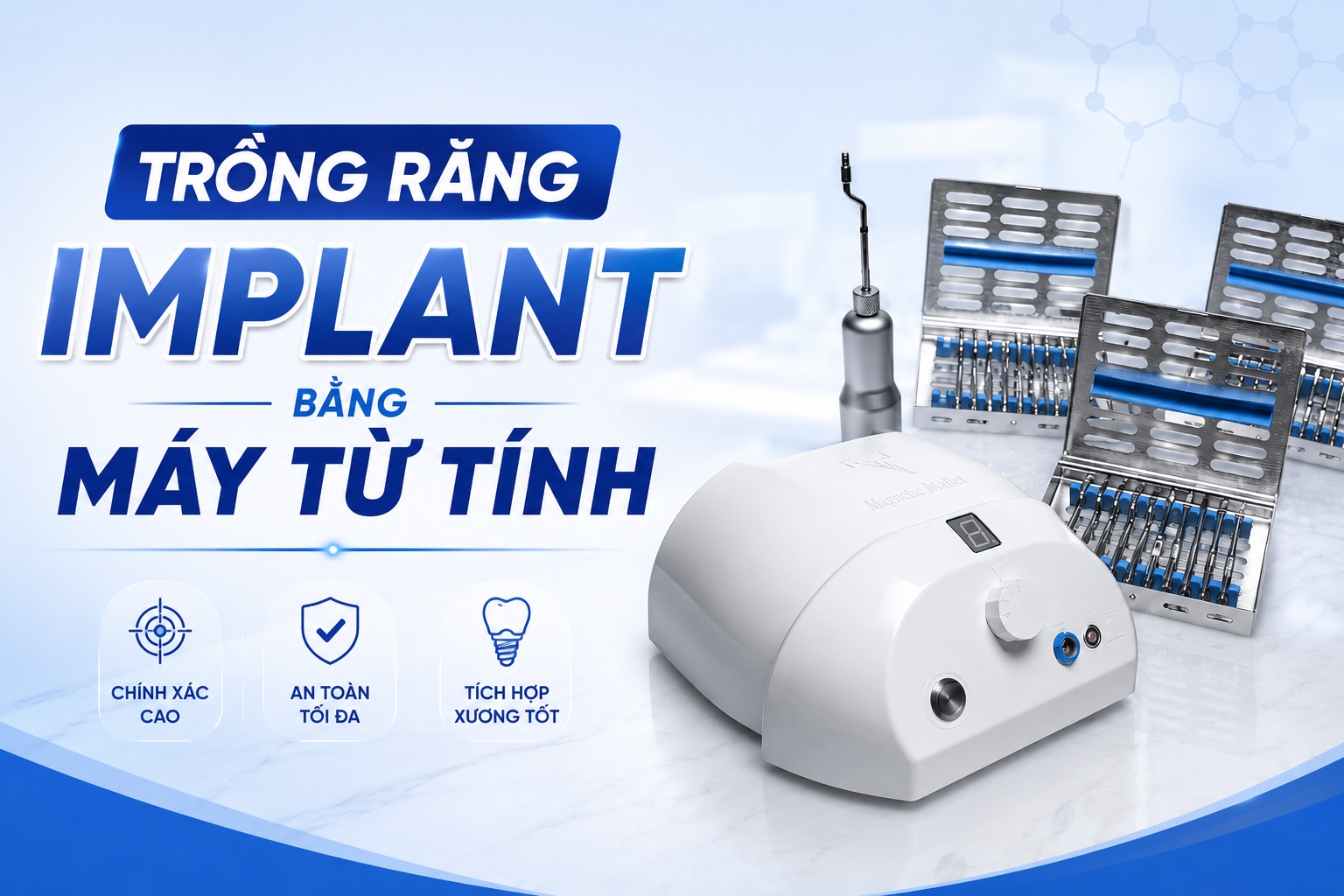
Modern machinery technology helpsaccurately determine bone lossand is used in the bone grafting process as well as dental implants to come up with an accurate treatment regimen. In addition, it also minimizes unnecessary invasion of gums, bone or soft tissue, thereby safely shortening treatment time.

X-ray imaging technology helps clearly determine the condition of the jaw bone
Careful oral care after bone grafting is extremely necessary to ensure the surgical area is not inflamed, infected or damaged, specifically:
You can refer to the detailed information in the article "how to care for your teeth after dental implants".

You need to pay attention to how to care for your teeth after dental implants to avoid causing infection.
If after dental implants, you experience redness, swelling, prolonged pain along with pus, this is most likely a sign of infection. To understand the cause and how to handle it, you can refer to the problem ofpus in implants.
The content below will answer you more clearly about jaw bone loss as well as the cost of bone grafting, recovery time after implant when there is bone loss:
The implant placement process is usually performed under anesthesia, so you willdo not feel pain during surgery, however, it may cause slight pain after the anesthetic wears off.

You can feel completely secure when using anesthesia to significantly reduce pain during surgery
Normally, the recovery time after implant bone loss will last from3 - 6 months. However, this depends on many factors such as the level of bone loss, treatment methods as well as the health status of each individual.

Healing time also depends on the condition of the molars and the health of the patient
The cost of dental implants when experiencing bone loss depends on many factors such as: the level of bone loss of each customer, the number and type of dental implant material, treatment technology and the skill level of the doctor.
Currently, the cost of bone grafting services fluctuates betweenabout 2,000,000 to 5,000,000 VND. In addition, you can learn more aboutDental implant price listfor more information on dental implant costs and other services.

The cost of bone grafting depends on the condition and types of services you choose
Implant longevity will be affected in the case of a customerSevere jaw bone loss without bone graftingbefore inserting the Implant. At that time, the Implant cannot stand firmly in the condition of not having enough volume, density and height, leading to the Implant being easily rejected after implantation.
Dental Implants can last for a lifetime in case you perform bone grafting before implant placement, ensuring the jaw bone has enough density for the Implant to exist firmly, in addition to choosing materials, implant technology as well as highly specialized doctors.

You need to Have a reasonable jawbone treatment regimen to prolong the life of dental implants
Before implant implant with bone loss, you need tohave a general health check, clean oral hygieneandfollow the doctor's instructions on diet, refer to the do's and don'ts before getting dental implant.
In addition, in order to ensure that dental implant results are completed safely and have long-term quality, you need to learnnotes when placing dental implants, thereby knowing how to properly care for your teeth and choose the appropriate dental facility to bring the most perfect dental implant experience.

You should carefully prepare the oral care knowledge you need from your doctor before getting an implant with bone loss
The above article has provided you with information about the issue ofimplant with bone loss., including determining the correct condition of the jaw bone and notes before performing surgery. In addition, choosing a reputable dental facility as well as a skilled doctor will help the surgical process go smoothly, safely and limit future complications.
If you need advice on dental implant services or other oral care services, please contact Lac Viet Intech Dental for quick and accurate support.
Lưu ý : Mọi thông tin trên website Nha khoa Lạc Việt Intech chỉ mang tính tham khảo, không thay thế chẩn đoán hoặc điều trị y tế chuyên nghiệp. Kết quả điều trị thực tế phụ thuộc vào từng cá nhân và cần sự thăm khám trực tiếp của bác sĩ. Chúng tôi khuyến nghị bạn luôn tham khảo ý kiến chuyên gia cho mọi vấn đề sức khỏe.
News on the same topic

Related questions
Featured news

Sign up for consultation
Partner of Lac Viet Intech Dental Clinic