Language
Language

Professional Consulting
D. Nguyễn Gia Bảo
Dentist
Quick summary:
The jaw bone structure of people 18 years of age and older is fully developed, therefore eligible for safe and stable implants. On the contrary, for people under 18 years old, the jaw bone is still growing, so early implantation can lead to deviations in position, affecting aesthetics and function later. So, dental implantsUsually not recommended for people under 18 years of age.

Dental implants are usually not recommended for people under 18 years old
Older people can absolutely have dental implants if they ensure stable general health and do not suffer from severe acute or chronic diseases. The doctor will carefully evaluate jaw bone density and medical indicators before prescribing treatment.
People with diabetes, high blood pressure, heart disease, etc. can still get dental implants if the disease is stably controlled before proceeding. In particular, according to research byOates et al. (2014), diabetes should be controlled withHbA1c below 7%to reduce the risk of infection and ensure the implant integrates well into the bone.
Therefore, before treatment, you need to fully inform your health condition so that the doctor can closely monitor you and develop a safe transplant plan. If the underlying diseases are not well controlled, the implant may not integrate with the bone, easily causing inflammation around the abutment or premature abutment rejection.
Please refer to "Can diabetics get dental implants?” to understand in more detail the issue of dental implants when having diabetes.

People with diabetes, high blood pressure, heart disease, etc. can still get dental implants if the disease is stably controlled
If you have ever had dental problems such as periodontitis, severe tooth decay, pulpitis, root abscess, prolonged gingivitis, etc., you can still get dental implants. However, all of these diseases need to be completely treated before transplantingLang et al. (2011), a history of periodontitis increases the risk of peri-implant inflammation 3-4 times if not controlled before treatment.
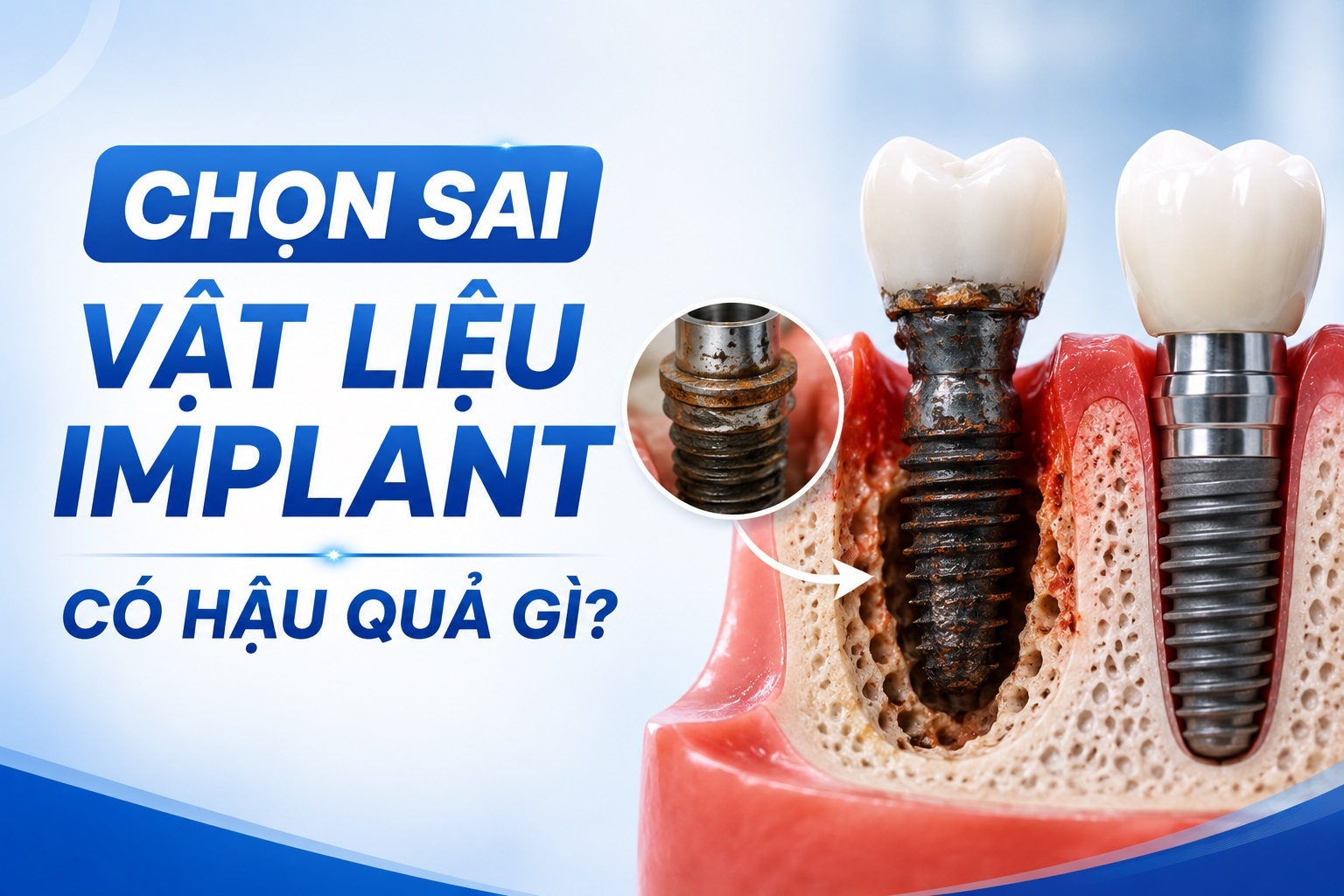
Implant placement on unhealthy gum tissue and jawbone can lead to many serious complications such as:
Therefore, before the procedure, the doctor will thoroughly examine the entire oral cavity and thoroughly treat dental problems to ensure safe and long-term implant conditions.
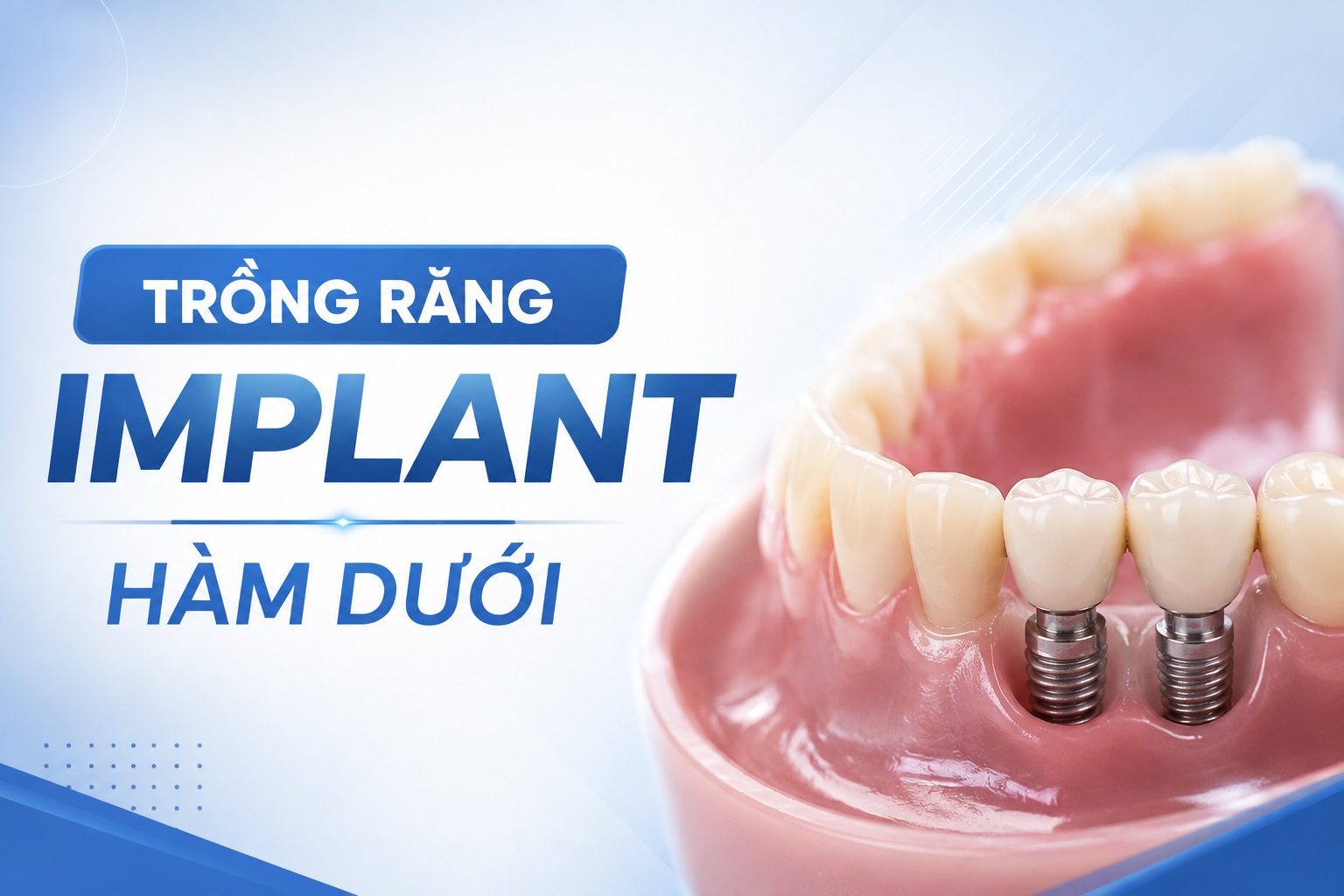
People who have lost all their teeth should have dental implants instead of traditional tooth restoration methods. In cases of total tooth loss, dental implants can help firmly fix the denture, significantly improve chewing ability, and bring confidence in communication.
Not only for tooth loss in the entire jaw, Implant is also suitable for all tooth loss situations, from losing a single tooth to many teeth in a row. Implants act like real tooth roots, supporting aesthetic restoration, preserving jaw bone and preventing premature aging due to long-term tooth loss.

People who have lost all their teeth should have dental implants instead of traditional tooth restoration methods
The above article has provided an overvieweachImplant case, help you make appropriate decisions. CPlease note that whether you lose just one tooth or many single teeth, it's okayearly dental implantis necessary to preserve the jaw bone structure, avoid bone loss and limit the remaining teeth from shifting over time.
If you are wondering about your situation, do not hesitate to contact Lac Viet Intech Dental Clinic for in-depth advice and the most suitable solution!
References:
News on the same topic

Related questions
Featured news

Sign up for consultation
Partner of Lac Viet Intech Dental Clinic