Language
Language
An inflamed implant is a serious complication, directly affecting the supporting bone tissue and the stability of the implant.If not detected and treated promptly, this condition can lead to many dangerous consequences such as implant damage, tooth loss or affecting overall oral health.
Signs that the dental implant is inflamed and should be noted are as follows:

Inflamed implants can lead to many dangerous consequences such as broken implants, tooth loss,...
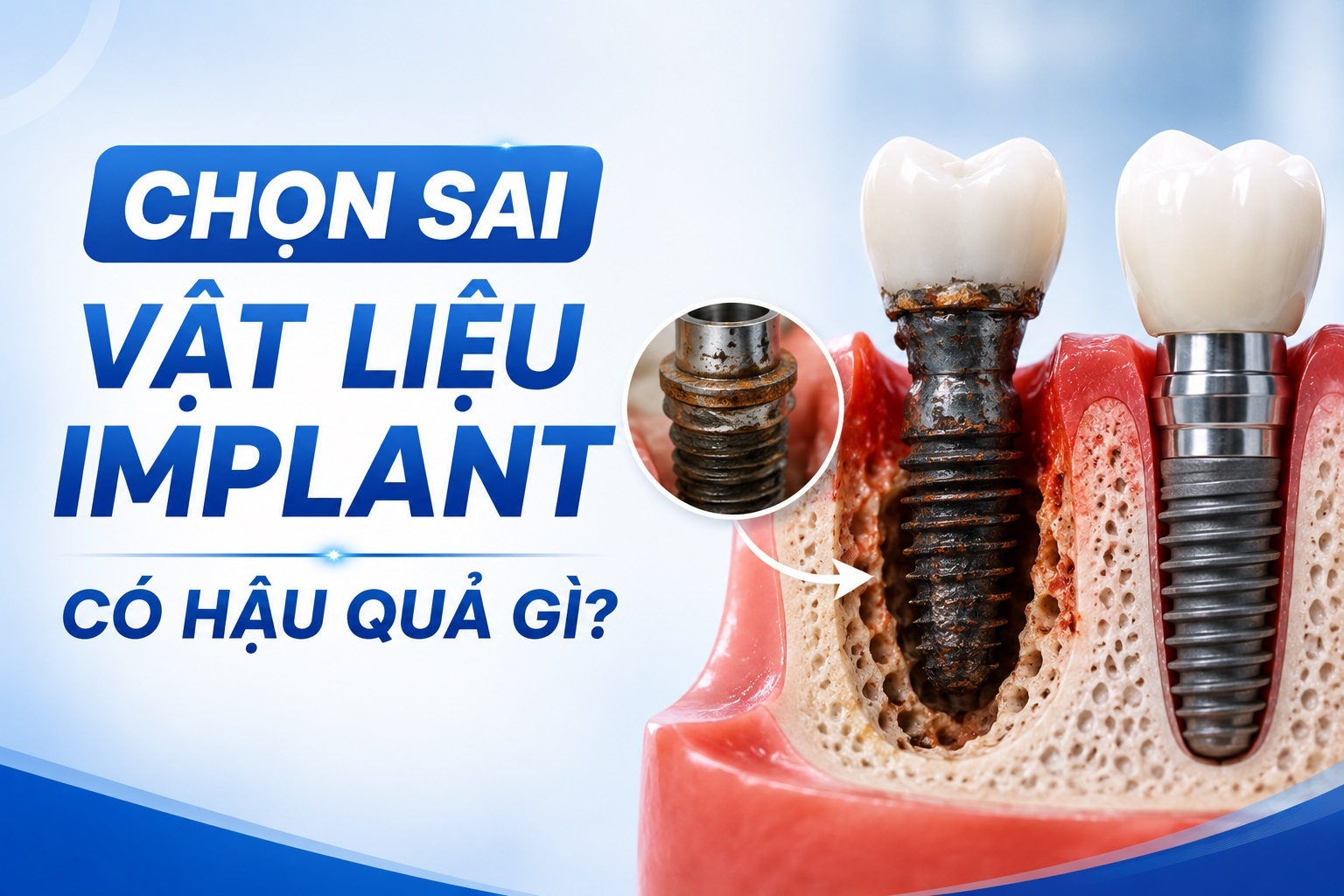
If the inflammation of the implant becomes severe, the implant may be completely rejected due to the destruction of the supporting bone. At this time, the gums and jawbone will not be able to hold the implant, leading to the implant becoming loose, necrotic and having to be removed. In addition, peri-implant inflammation also affects adjacent teeth, reduces the quality of restorations and requires more complex and expensive treatment.
Inflammation around the implant can occur in two stages: immediately after implant placement (usually within 3 days) or later, from 7 - 10 days after implantation and during long-term use. Here are 5 common causes of this condition:
Implants placed in the wrong position, depth or angle can reduce the ability to integrate bone, create space for bacteria to enter, causing inflammation, pain, and risk.Implants are rejected early, affecting the effectiveness of tooth restoration.
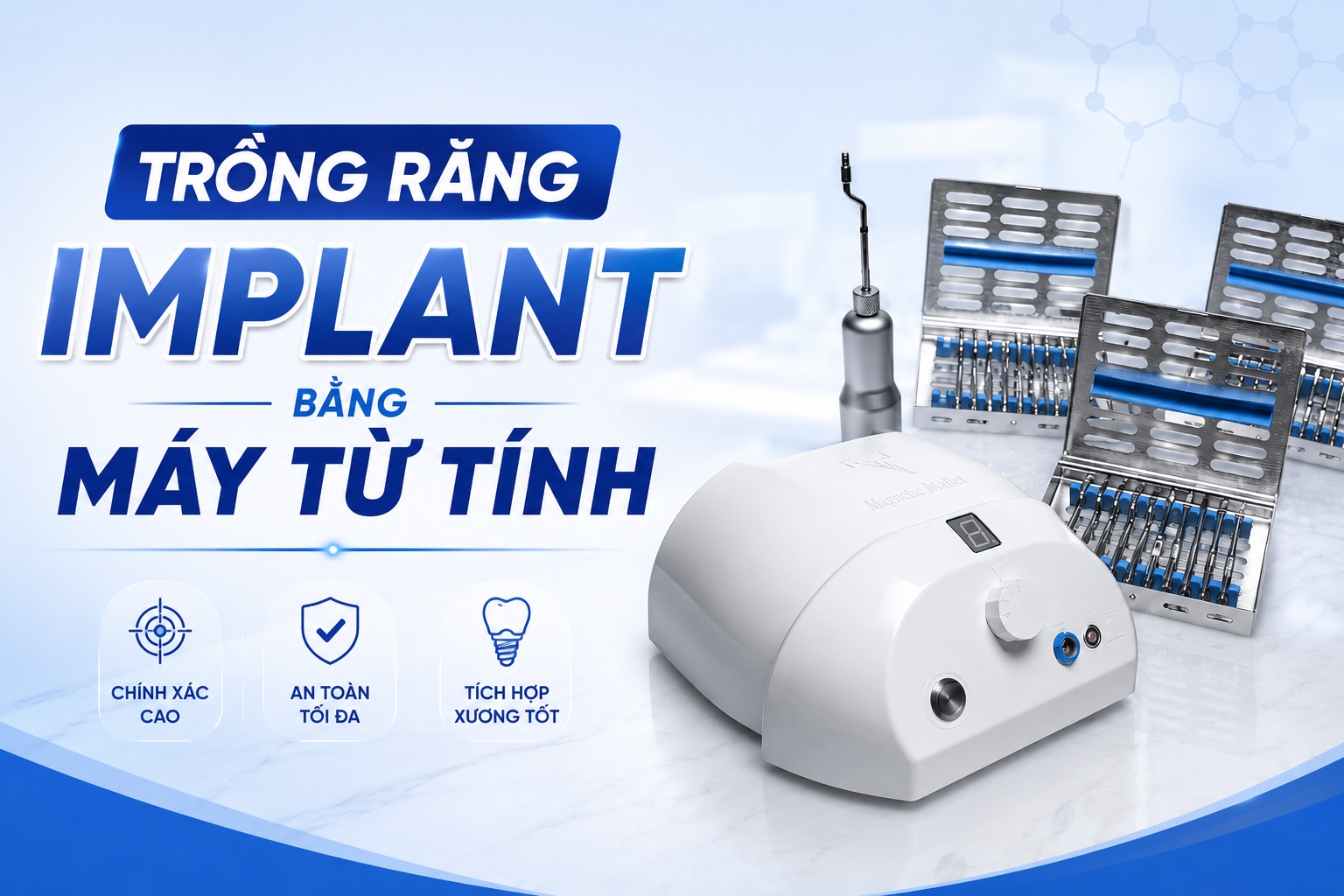
The problem of incorrect implant placement is often due to poor doctor skills or lack of experience, along with the lack of modern supporting technology leading to inaccurate bone drilling or inappropriate force control. These errors reduce success rates and increase the risk of inflammation and osseointegration failure.
In addition to concerns aboutDental Implant cost, you need to carefully consider other important factors such as the quality of the implant and the reputation of the doctor or dentist who performed it.

The implant is not in the correct position, leading to instability or premature rejection of the implant.
The implant surgical procedure requires an absolutely sterile environment to prevent bacteria from entering the implant site. If surgical instruments and equipment are not thoroughly sterilized, it can create an environment for bacteria to attack and cause infection.
Infected implants due to an unsafe environment often damage surrounding soft tissue, reducing bone quality at the implant location, making it difficult for the implant to integrate with the jaw bone. This condition may appear 3-7 days after surgery, with symptoms such as redness, swelling, pain or pus discharge. When you detect these symptoms, you need to see a doctor immediately for timely examination and treatment.

The implant surgery procedure requires an absolutely sterile environment to prevent bacteria from entering the implant area
Post-implant inflammation can occur after completing porcelain tooth restoration if the porcelain crown is not crafted correctly. Errors such as open edges or excess edges of the crown create conditions for food and plaque to accumulate, thereby forming an infection around the implant. Inflammation around the Implant, if not treated promptly, can progress seriously, causing soft tissue damage and adversely affecting the durability of the Implant.
In addition, substandard porcelain crown manufacturing also causes bite joint stiffness, overloading the chewing force on the Implant. Chewing force that is not evenly distributed will put pressure on the implant, affecting long-term stability and increasing the risk of rejection.

Peri-implant inflammation can occur after completing porcelain tooth restoration on Implant without ensuring accuracy
Before performing implant placement, thoroughly treating inflammatory diseases around the teeth such as periodontitis, pulpitis or tooth decay is a prerequisite to ensure successful implant placement. Periodontal inflammation problems that are not completely eliminated can become a source of bacterial spread after implant placement.
When bacteria from the infected area enter the area around the implant, they can cause re-infection, affect the bone integration process and lead to serious complications such as bone loss around the implant or rejection of the implant. This reduces the effectiveness of the recovery process and causes long-term damage.
In addition, systemic diseases such as diabetes also increase the risk of infection around dental implants due to a weakened immune system and poor healing ability. Therefore, it is necessary to control underlying diseases well before implant placement to ensure smooth bone integration and recovery.

Thorough treatment of periodontal diseases such as periodontitis, pulpitis or tooth decay is a prerequisite to ensure success
Improper care andoral hygiene after dental implantis the main cause of implant inflammation. Leftover food left around the Implant root without cleaning will decompose, creating a favorable environment for bacteria to attack the soft tissue around the abutment, leading to inflammation.
Bad habits such as grinding teeth while sleeping, rinsing too hard or eating tough, hard, hot spicy foods during the healing period can damage the implant area, causing prolonged pain and swelling, increasing the risk of implant abutment rejection if not resolved promptly. In addition, not taking prescribed medications such as antibiotics, pain relievers, anti-inflammatories or smoking during the healing period will increase the risk of infection around the implant.
After implant placement, you do not need to abstain from eating for a long time, but you need to have a suitable diet to promote quick recovery. You can refer to the article for more information "How long after an implant can you eat".

Improper care, applying strong force to the newly implanted area or improper abstinence also leads to the risk of implant rejection
When abnormal signs appear such as swelling, pain, bleeding, discomfort when chewing or there is an unpleasant odor around the implant, absolutely do not arbitrarily treat it at home, you need to see a doctor immediately for treatment. Timely treatment. Based on the specific condition, the doctor will diagnose and provide an appropriate treatment plan.
Some steps to treat peri-implant inflammation that the doctor can perform:

When unusual signs appear, see a doctor immediately for timely treatment. time.
When the Implant becomes inflamed, the doctor will use CT Cone Beam technology to determine the exact cause. If infection caused by a misaligned implant post causes serious damage, the doctor can remove the old post and implant a new one, and use a surgical guide to ensure the correct position of the post, preventing recurrence of infection.
In case of inflammation due to improper restoration,DCT personalized dental implant solutionis applied to ensure accuracy and comprehensive effectiveness. With a combination of modern technologies including using a Guideline surgical guide to help place the abutment accurately in the jaw bone, shaping the gum anatomy with Healing Customized, using a custom abutment for each tooth, and using a multi-layer all-ceramic tooth (3D Pro ML) crafted with CAD/CAM technology.
This method is performed synchronously from the stage of placing the Implant to restoring the porcelain crown, helping the porcelain crown fit perfectly with the tooth. pillar, suitable for each person's anatomical structure. Thereby maintaining optimal function and aesthetics, limiting the risk of re-inflammation.

DCT personalized dental implants are applied to ensure accuracy and comprehensive effectiveness
Inflammation around dental implants often occurs during the healing phase, causing many difficulties in treatment and affecting implant longevity. Therefore, you need to follow the followingnotes after dental implant placement:
Pre-operative stage:
Carefully control dental plaque, thoroughly treat gingivitis, periodontitis, abscesses or infections in the tooth root area. The use of antibiotics and prophylactic mouthwash solutions plays an important role in preventing complications.
During surgery, it is necessary to comply with the principles of sterilization and sterility, the correct procedures and technical requirements of implant placement. The operating room needs to be equipped with an ultraviolet disinfection system, wash hands properly, do not perform surgery with people who have a source of infection... To ensure that all procedures are performed safely and accurately, it is necessary to choose a reputable and professional dentist.
During the healing period:
After the Implant has completely healed:
Follow-up examination:
You need to follow-up as prescribed so that the doctor can monitor the progress of the dental implant. During each follow-up visit, the doctor will do a general check to determine the speed of bone integration and promptly detect any abnormalities, ensuring the recovery process is safe and effective.
For more details, you can refer to the doctor's instructions on how tocare for teeth after implant placement.

It is necessary to follow the notes after dental implant placement to minimize possible complications. ra
In addition, the stage before dental implantalso plays an important role. Choosing a reputable dentist with a team of experienced doctors and modern technology will help ensure the implant process is safe and minimize possible complications.
Lac Viet Intech Dental is a pioneer in the top dentists equipped with modern technology, providing safe and outstandingly effective dental implant solutions. The team of highly specialized doctors here not only has a deep understanding of technology but also applies advanced technologies such as the Cone Beam 3D CT system, Guideline surgical guide, X-Guide positioning robot, CAD/CAM manufacturing technology, ensuring accuracy in each implant case.

Lac Viet Intech Dental is a pioneer in providing safe and outstandingly effective dental implant solutions.
Thus, the above article has summarized the details. Things to note when theimplant becomes infectedhelps you take care of your dental implant properly. Above all, you should follow the instructions given to each individual by your doctor to speed up healing after implantation.
If you need more information and advice on high-tech, safe, and sustainable dental examination and dental implant services, please contact Lac Viet Intech Dental by the following contact methods. here:
Lưu ý : Mọi thông tin trên website Nha khoa Lạc Việt Intech chỉ mang tính tham khảo, không thay thế chẩn đoán hoặc điều trị y tế chuyên nghiệp. Kết quả điều trị thực tế phụ thuộc vào từng cá nhân và cần sự thăm khám trực tiếp của bác sĩ. Chúng tôi khuyến nghị bạn luôn tham khảo ý kiến chuyên gia cho mọi vấn đề sức khỏe.
News on the same topic
Related questions
Featured news

Sign up for consultation
Partner of Lac Viet Intech Dental Clinic