Language
Language

Professional Consulting
D. Hoàng Hữu Vĩ
Dentist
Losing teeth not only makes aunts, uncles, siblings and friends feel self-conscious when smiling and talking, but also directly affects the ability to chew and long-term oral health.
So if you lose teeth, you should do itdental bridgegoodimplant planting? What is the most sustainable, cost-effective and safe option?
In this article,Lac Viet Intech Dental Clinicwill help aunts, uncles, siblings and friends clearly understand these two methods, based on the expertise sharing of doctor Hoang Huu Vi.
We will go deeper into each aspect together to get an overall view and make the best decisions for your oral health.
Before comparing, we need to clearly understand the nature of each method. Although they have the same purpose of restoring lost teeth, the operating principle ofdental bridgeandimplant plantingcompletely different.

Porcelain bridges and dental implants have different structures and degrees of impact on neighboring teeth
Dental bridgeis a method of using two real teeth next to the missing tooth as an abutment, then attaching a row of porcelain bridges to replace the lost tooth. This is a traditional method that has been around for a long time and is still chosen by many people.
This method does not require surgery and is quick to perform, usually only taking 2-4 days to complete. Furthermore, the initial cost of a dental bridge is significantly lower than that of an implant.
However, dental bridge carries many potential risks. Real teeth used for posts must be ground down, causing invasion and weakening of healthy teeth.
After a few years, abutment teeth are susceptible to sensitivity, pulpitis, and can damage both teeth. In addition, the jawbone at the location of the missing tooth is not stimulated, so it gradually recedes, causing gum recession, food retention and loss of aesthetics.
Tooth bridging is a fast method with low initial cost, but has many potential long-term risks, affecting the health of adjacent real teeth.

>> See more:Tooth bridging is What?
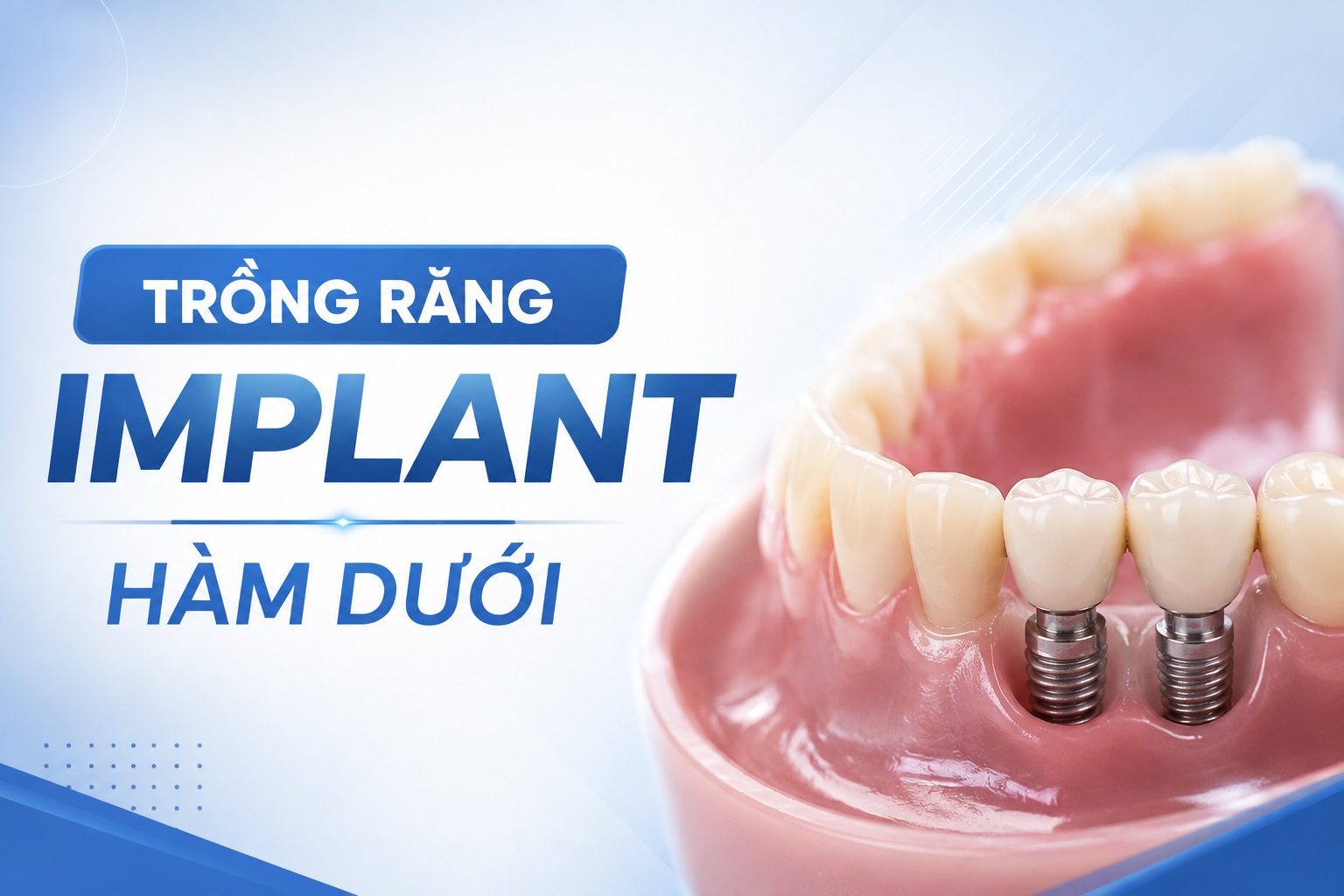
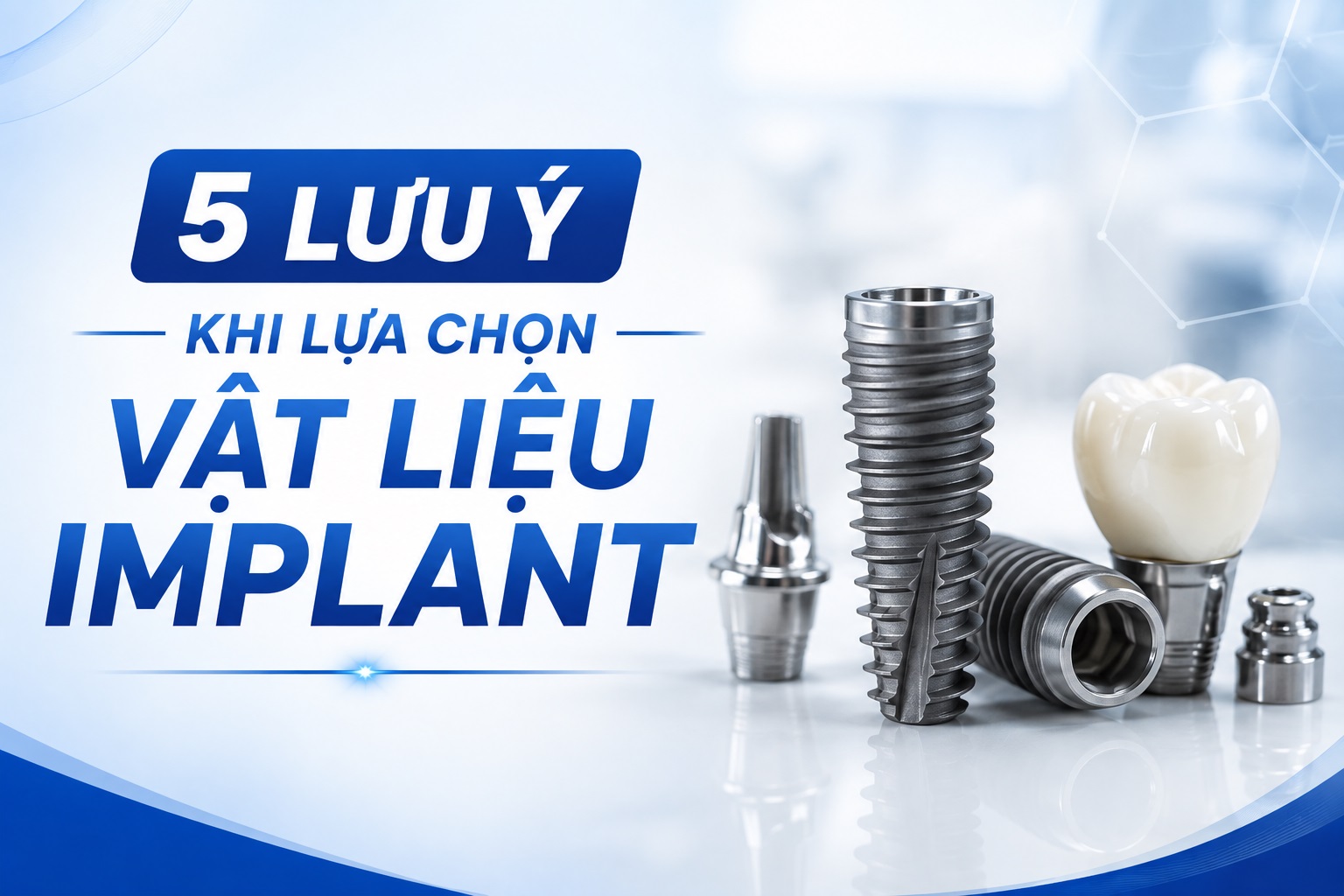
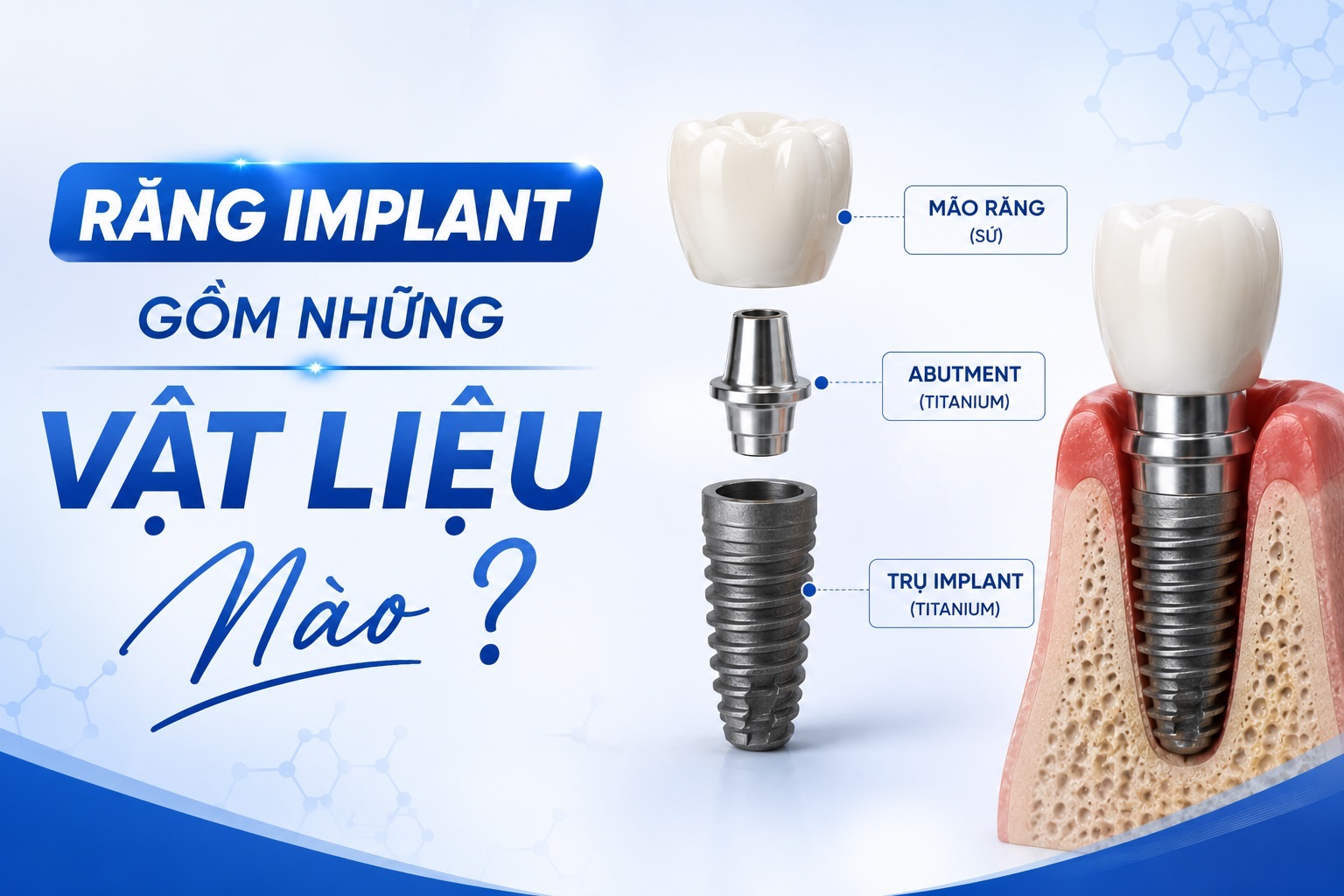
Dental implantation is the most modern method today. The doctor will place a titanium post into the jawbone to replace the lost real tooth root. After the post integrates firmly with the jawbone, the doctor will attach a porcelain crown on top, forming a complete tooth.
Implants replace missing teeth independently, without needing to grind teeth or affect adjacent teeth. The implant acts like a real tooth root, helping to prevent jaw bone loss, maintaining aesthetics and natural chewing ability. The lifespan of the implant is also very high, it can last a lifetime if well taken care of.
This method requires minor surgery, the time for the implant to integrate with the jaw bone is about 2-6 months. The initial cost of dental implants is also higher than dental bridges.

Dental implants not only restore lost teeth but also preserve real teeth and overall jaw health in a sustainable way.
Tooth loss is not a simple problem. Dr. Hoang Huu Vi shared: "Losing teeth is like a domino effect - a lost tooth can lead to many other teeth that are also weak and gradually fall out over time."
If not restored early, the following serious consequences can occur:
The adjacent teeth tilt and fall into the gap: When there is no tooth to hold, the adjacent teeth will move, changing the bite.
The opposite tooth protrudes: The teeth in the opposite jaw will have no resistance. protruding, causing wrong bite, causing difficulty in chewing.
Jaw bone loss, receding gums, sunken cheeks: The jaw bone at the tooth loss site is no longer stimulated and will gradually disappear. This condition persists, causing sunken cheeks, making the face look older than its age.
Difficulty chewing, susceptible to digestive diseases: Tooth loss reduces chewing ability, food cannot be crushed, putting pressure on the digestive system.

Therefore, restoring teeth as soon as possible is very important to protect comprehensive oral health.
To help you have a more specific view, we will compare in detail the pros and cons of these two methods.
Advantages:
Fast: The process of making a dental bridge only takes 2-4 days to complete, suitable for people with little time.
Low cost: Lower initial cost than implants, suitable for people with limited budgets.
No surgery: Suitable for people who are not healthy enough to have implants or those who are afraid of surgery.
Limitations:
Must grind real teeth: This is the biggest disadvantage, weakening the two healthy teeth on the side. edge.
Long-term negative effects: After 5-10 years, abutment teeth are susceptible to receding gums, pulling food away, causing bad breath and infection.
Jaw bone resorption: The jawbone at the tooth loss site will gradually disappear, affecting facial aesthetics.
Not high durability: Usually only maintained for 5-10 years, then must be redone, leading to higher total costs.
Tooth bridgeis a temporary solution, a solution solves the immediate aesthetic and chewing problems, but does not solve the core problem of bone loss and lack of longevity.
Advantages:
Independence and safety: Implants replace missing teeth independently, without affecting adjacent teeth.
Prevent bone loss: The implant acts like a real tooth root, helping to prevent jaw bone loss.
Eat and chew firmly. Strong: Ability to chew firmly, almost like real teeth.
Durable for life: If well cared for, implants can last a lifetime.
Limitations:
Need surgery: Although it is only a minor surgery, there is still intervention.
Longer treatment time: It takes time for the implant to integrate with the jawbone, usually 2-6 months.
High initial cost: This is the biggest barrier for many people.
Not suitable for everyone: Some cases of excessive bone loss or underlying disease may be contraindicated.
Implant is an optimal long-term solution, providing sustainable results and preserving comprehensive oral health.
Durability is an important factor to evaluate the economic efficiency of a method.
Dental bridges:The lifespan of dental bridges often depends on the condition of the abutment teeth. Dental bridges only last about 5-10 years. After this time, the abutment tooth is susceptible to weakness, pulpitis, or even the loss of the next tooth, forcing it to be rebuilt.
Implantation:If the abutment successfully integrates with the bone, the implant can be used sustainably for a lifetime, as long as you take care of your teeth and clean them properly.

Dental implants have a lifespan 2 - 3 times longer than a porcelain bridge, can be preserved forever
Dental bridges depend heavily on the health of the two abutment teeth. Meanwhile, implants only restore the exact missing tooth, without invading other teeth, so they are extremely durable. This explains why implants are a smart investment for the future.
Deciding which method to choose should be based on each person's oral condition and overall health.
Missing a few teeth, a lot of jaw bone is lost: When bone is not enough to place an implant, dental bridge is an alternative solution.
Patients with contraindications to surgery: Severe cardiovascular diseases, taking anticoagulants... do not allow implant placement.
Need for quick restoration, limited cost: Dental bridge meets this need.
Loss of one or more teeth: The jawbone is still eligible for implantation. grafting.
Want to restore healthy chewing and natural aesthetics: Implants bring the most realistic and sustainable feeling.
Want a sustainable, long-term solution: Minimize costs incurred and future complications.
International medical literature also affirms: "Dental implants are the number 1 priority choice in restoring missing teeth. Bridging should only be applied when implants are not feasible."
>> See more:Price list of dental implants at Lac Viet Intech dentistry
Many aunts and uncles are afraid of gettingimplantsbecause they think it will be very painful. However, the reality is quite the opposite.
Creating a dental bridgerequires grinding real teeth, causing more sensitivity.
Implantationonly intervenes in the area of tooth loss, with few nerves, so the pain is mild or almost painless.
Currently, with modern anesthesia technology, surgical guide trays and standard aseptic procedures, pain is minimized. You can completely rest assured when choosing implants at a reputable dentist.
Doctor Hoang Huu Vi affirmed: "The top choice in restoring lost teeth is still implantation. Dental bridges should only be performed when implants cannot be placed due to health reasons or insufficient jaw bone."

This shows that, althoughdental bridgeshave certain advantages,implantsare still the optimal solution. brings long-term benefits to oral health.
Tooth loss is a serious problem, not only affecting aesthetics but also leading to a series of health consequences. Comparing betweendental bridgeandimplantation, it can be seen that implant is the optimal, safer and more sustainable method.
If you, your aunt, uncle, siblings and friends are wondering whether to do a dental bridge or an implant, come to Lac Viet Intech Dental for a detailed examination and advice from a doctor.
Choosing the right method from the beginning will help save costs, avoid regret later and have a healthy smile. strong, durable and beautiful forever.
News on the same topic

Related questions
Featured news

Sign up for consultation
Partner of Lac Viet Intech Dental Clinic