Language
Language

Professional Consulting
D. Hoàng Vũ Hiệp
Dentist
In dentistry, preserving teeth is always the top priority. However, there are cases where teeth are so loose that they cannot be restored. Tooth extraction at this time is necessary to protect the remaining teeth. Below are 5 typical cases:
Progressive periodontitis seriously destroys the tissues around the teeth. Gums, ligaments and alveolar bone are damaged. This causes the teeth to no longer firmly attach to the jawbone. When the tooth loosens violently and is no longer able to chew, retention is not necessary.

(Image of tooth with periodontitis)
When a tooth has large decay or breakage, the tooth structure is severely destroyed. Teeth cannot be restored with fillings, porcelain crowns or root canal treatment. At this time, tooth extraction is mandatory. This helps avoid the formation of large foci of infection. It also prevents bone loss.
Teeth with periapical inflammation and persistent periodontal tissue inflammation. Inflammation doesn't just cause pain. It also reduces chewing ability and affects overall health. Removing the source of inflammation improves quality of life. At the same time, prevent systemic complications.
Wisdom teeth are not just a nuisance for young people. In the elderly, wisdom teeth also cause many problems. For example, impacted or impacted tooth number 7. This causes pain, inflammation around the tooth or tooth decay. In this case, wisdom tooth extraction is necessary. It helps prevent infection and complications from spreading.

(Image of wisdom teeth growing at an angle of 90 degrees)
For elderly people who have lost many teeth or the remaining teeth are too weak. Tooth extraction to restore the entire jaw is necessary. Especially when using implants. This helps ensure aesthetics and chewing function. At the same time, it helps to implant fewer implants.
Compared to young people, tooth extraction in the elderly has more potential risks. That is due to reduced resistance. At the same time, older people have many underlying medical conditions. Some possible complications include:
Older people have poorer blood clotting ability. Especially if you are taking anticoagulants. This makes the wound after tooth extraction difficult to stop bleeding. It also increases the risk of infection.
Age slows down the process of tissue regeneration. The wound after tooth extraction will take longer to heal. If not properly cared for, the risk of alveolar inflammation is very high. This condition causes long-term pain.
Underlying diseases such as diabetes, high blood pressure, and cardiovascular disease need to be well controlled. Otherwise, tooth extraction can cause complications. For example, sudden increase in blood pressure, arrhythmia or even stroke.
To safely extract teeth in the elderly, the following steps must be followed:
Before tooth extraction, you need to have a general check-up. The doctor will prescribe a complete test. The goal is to strictly control underlying diseases. Share your medical history with your doctor. Please clearly state the medications you are using.
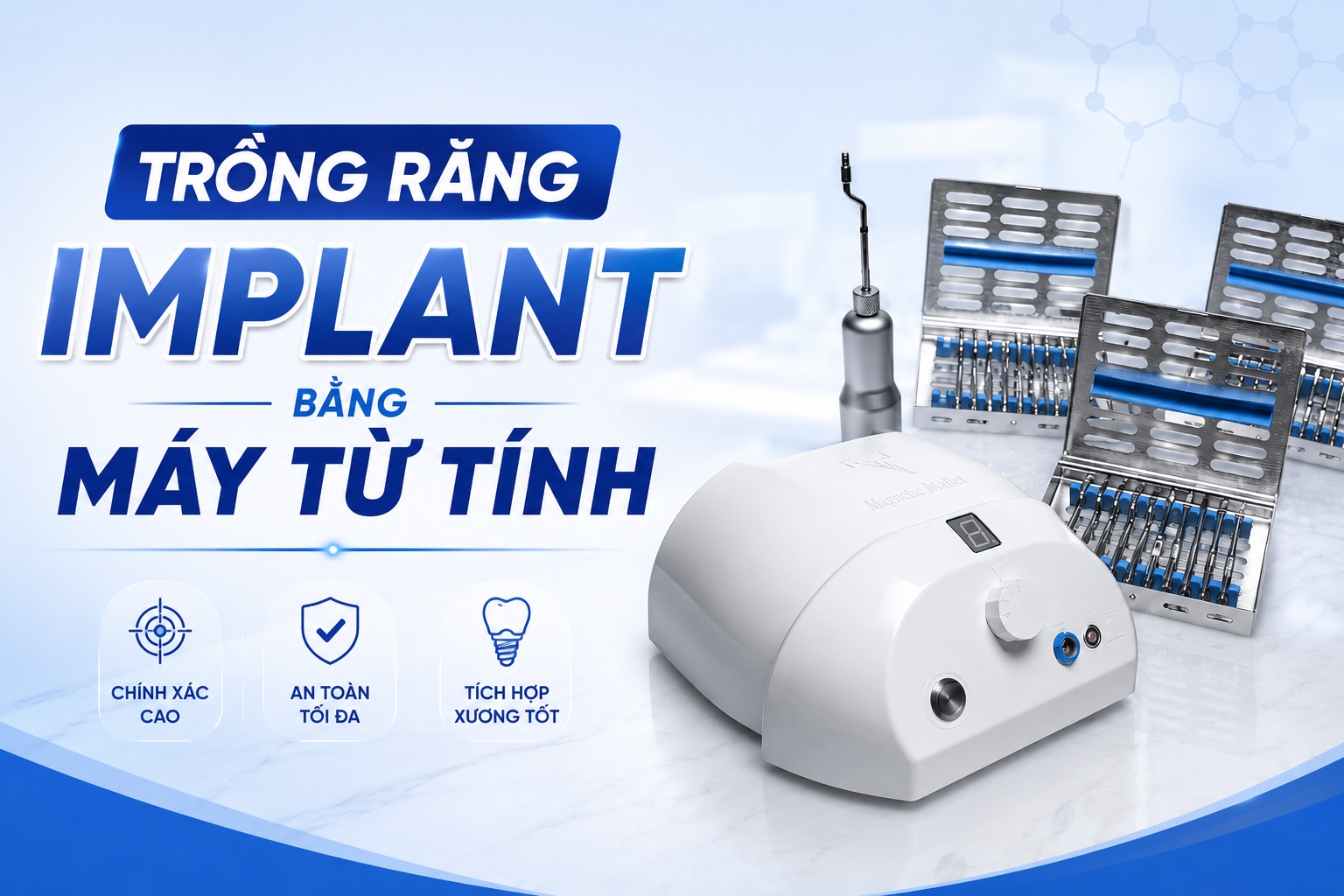
An important factor is choosing a reputable dental facility. Experienced doctors, modern equipment. Aseptic process ensures safety. Ultrasonic tooth extraction technology is the optimal choice. This technique limits invasiveness, reduces pain and reduces bleeding.
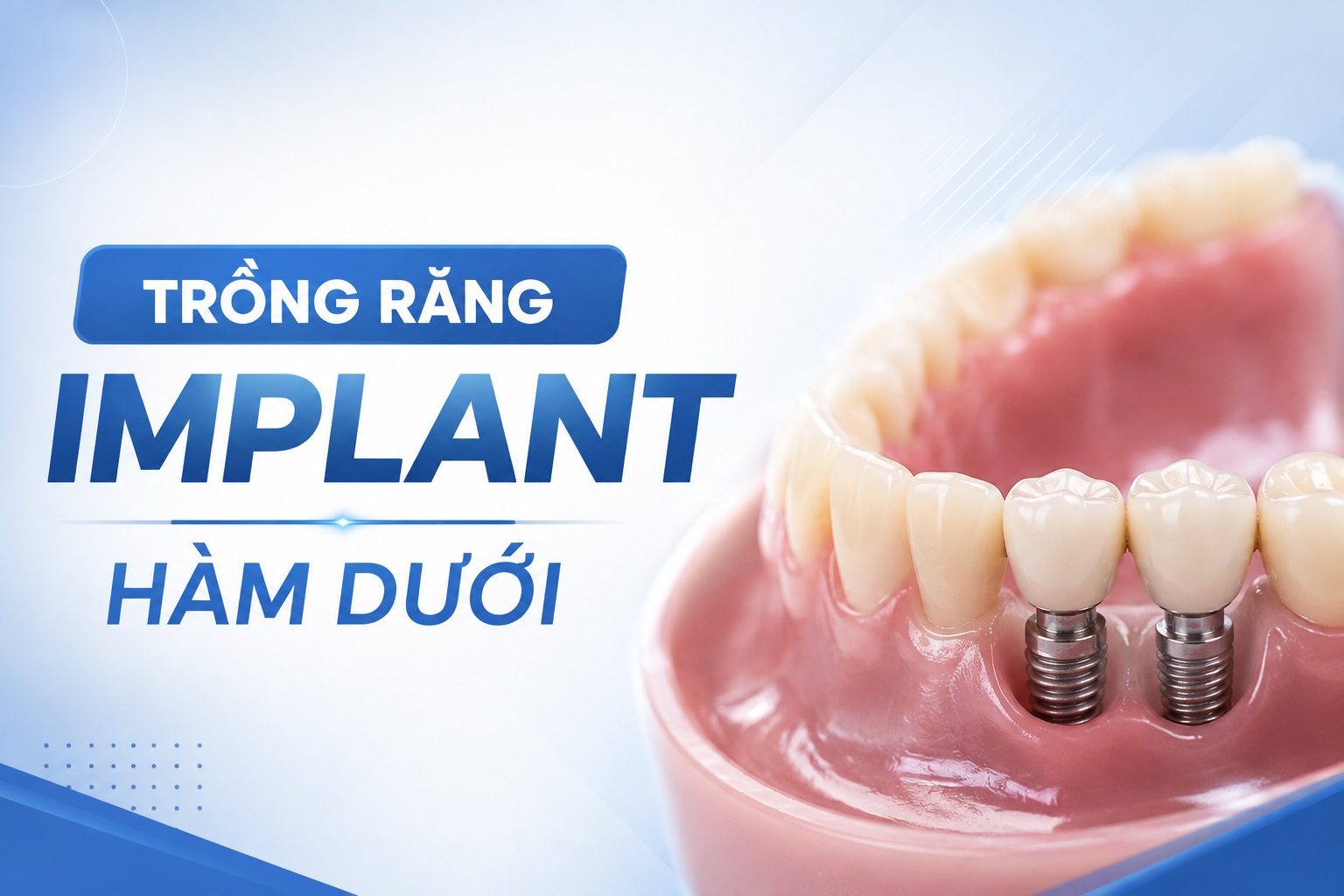
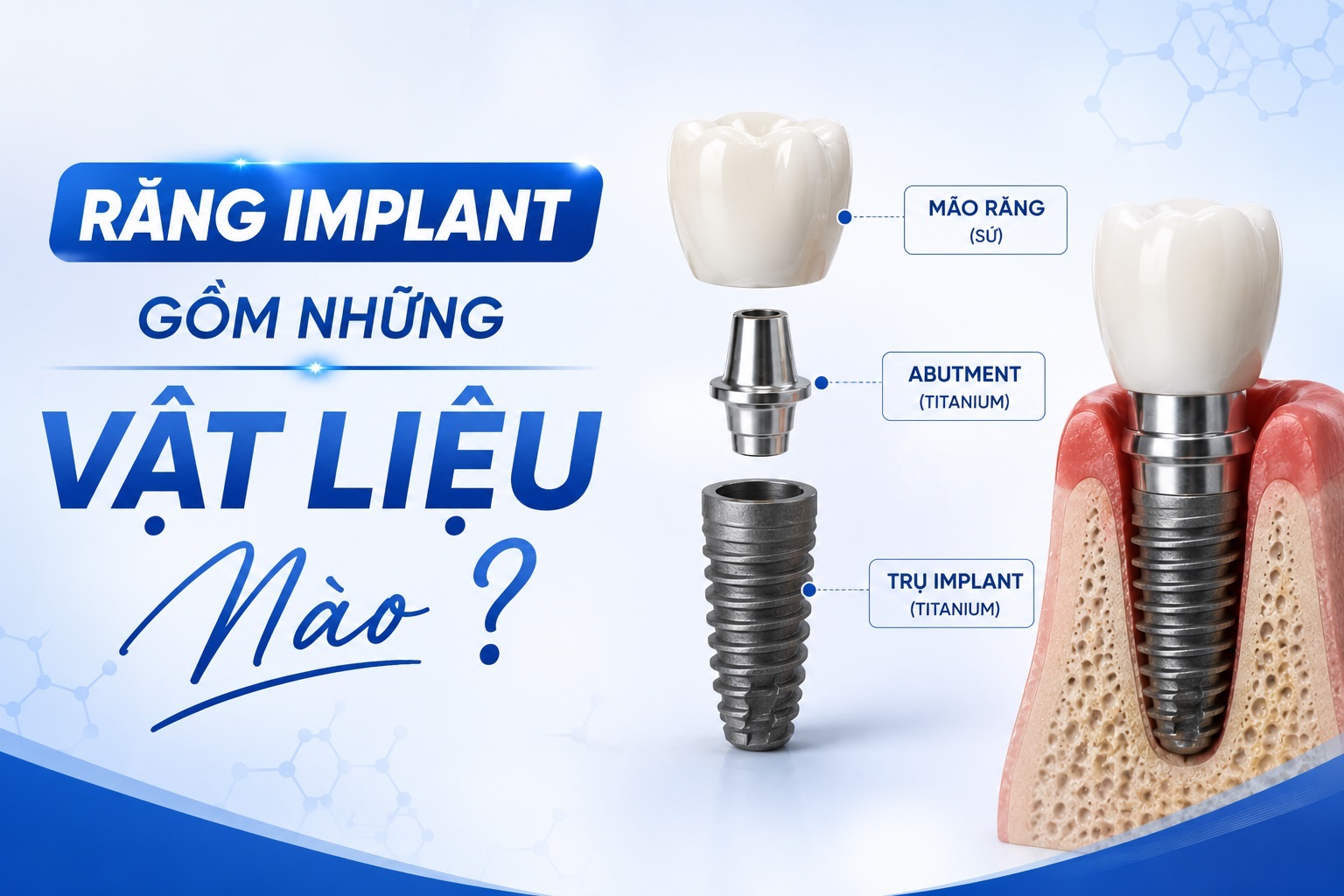
After tooth extraction, restoration is needed as soon as possible. Long-term tooth loss will cause jaw bone loss. The gums will shrink and the surrounding teeth will shift.Implantis the optimal solution. It helps prevent bone loss, ensures chewing and aesthetics.

(Doctors at Lac Viet Intech Dental perform implant surgery)
According to doctor Hoang Vu Hiep, removing loose teeth is a necessary decision in many cases. That is to eliminate inflammation, reduce pain and restore chewing function. However, tooth extraction in the elderly needs to be done carefully.
Don't try to keep damaged teeth: Remove non-functional teeth early. This helps protect healthy teeth.
Importance of examination: Share your complete medical history. The doctor will create a personalized treatment plan.
Choice of technology and doctor: Ultrasonic tooth extraction technology helps reduce pain. Experienced doctors help ensure safety.
Early tooth restoration: After extraction, restore teeth early to avoid jaw bone loss.
If you have any questions, please leave a question. Don't forget to follow the Lac Viet Dental website or subscribe to the Lac Viet Intech Dental YouTube channel to update in-depth knowledge about loose tooth extraction.
News on the same topic
Related questions
Featured news

Sign up for consultation
Partner of Lac Viet Intech Dental Clinic